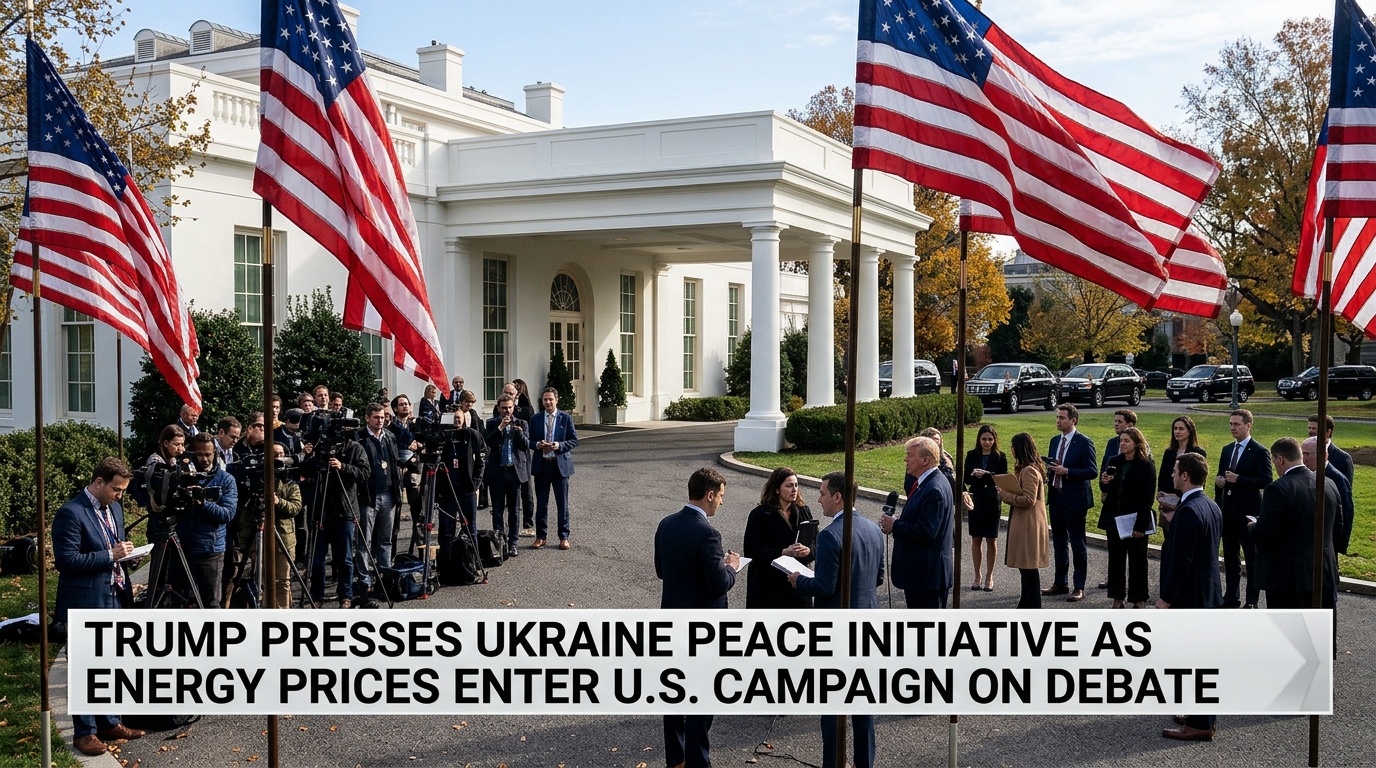


President Donald Trump has renewed pressure for a diplomatic resolution to the war between Russia and Ukraine as his administration faces domestic debate over energy prices and the economic consequences of international conflict.
A Reuters report published October 22 described a shift in Trump's approach toward negotiations involving Ukrainian President Volodymyr Zelenskyy and Russian President Vladimir Putin. The report also discussed changes involving some U.S. sanctions related to Russian diesel supplies.
The administration has linked its diplomatic objectives to efforts to reduce pressure on energy markets and household costs. Ukraine and some European partners have expressed concern about the direction of U.S. policy and the terms of any proposed settlement.
Foreign policy intersects with domestic politics
International diplomacy is usually shaped by security objectives, alliances and negotiations among governments. In the current U.S. political environment, energy prices have also become an important domestic issue.
Higher fuel costs can affect transportation, agriculture and household budgets. As a result, decisions involving sanctions, energy supplies and international conflict are receiving attention from voters and lawmakers.
The president's approach to Ukraine has also raised questions about the future of U.S. support for Kyiv and the relationship between Washington and European allies.
Congress retains an important role
Congress influences foreign policy through funding decisions, sanctions legislation, oversight and hearings. Lawmakers may seek explanations of the administration's diplomatic strategy and its potential implications for U.S. security commitments.
The policy debate remains fluid, and the terms of any negotiated agreement have not been settled. The effects on energy prices will depend on developments in international markets as well as decisions by governments and producers.
As the midterm campaign continues, the administration's handling of foreign affairs will remain part of the wider discussion about national security, economic conditions and the president's priorities.