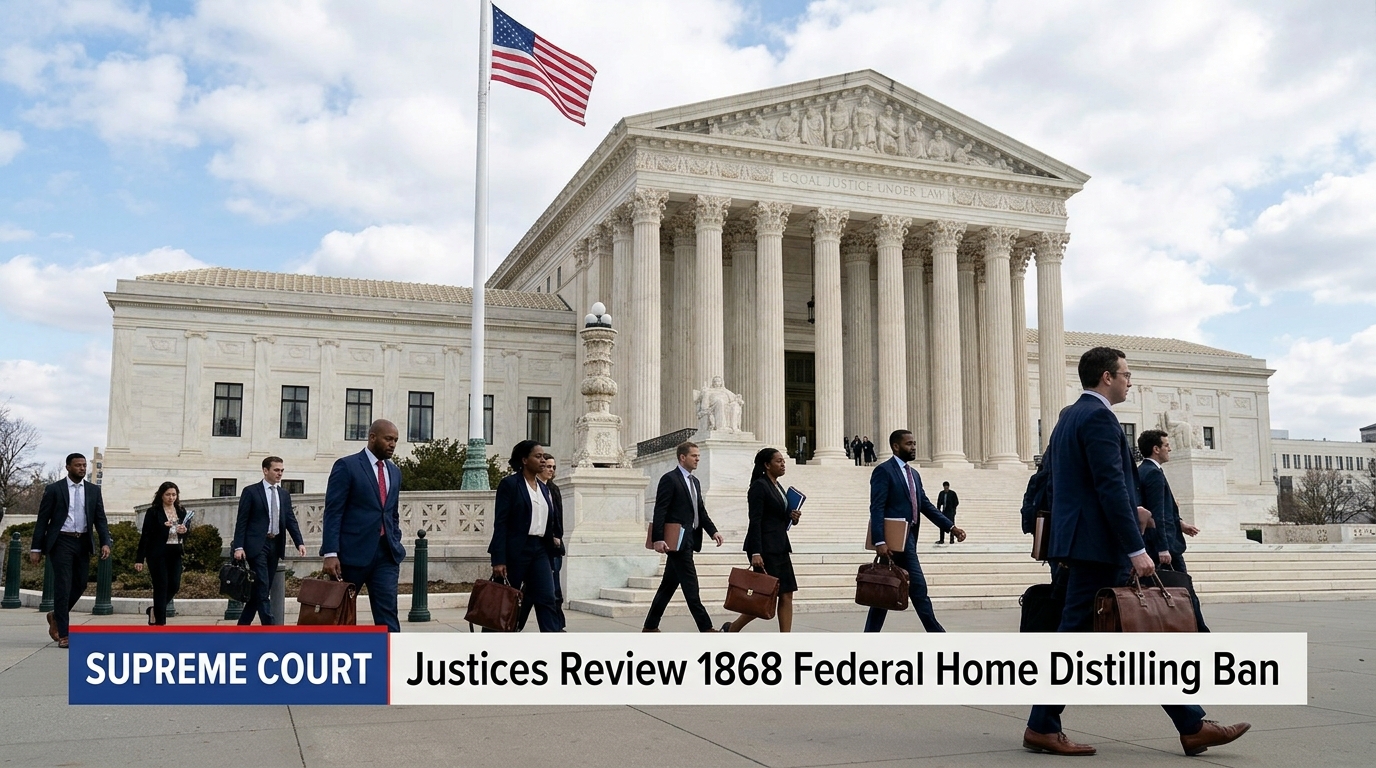


The U.S. Supreme Court has declined, for now, to accelerate a Democratic challenge to a Federal Communications Commission policy affecting political advertising rates, leaving the dispute to continue through the agency's review process.
Reuters reported on October 8 that Chief Justice John Roberts lifted a lower-court deadline requiring the FCC to act quickly on the complaint. The decision means the challengers must wait for the agency to address the matter before pursuing the next stage of their court challenge.
The dispute concerns a policy change affecting the discounted broadcast advertising rates available to political party committees during election periods.
Why advertising costs matter
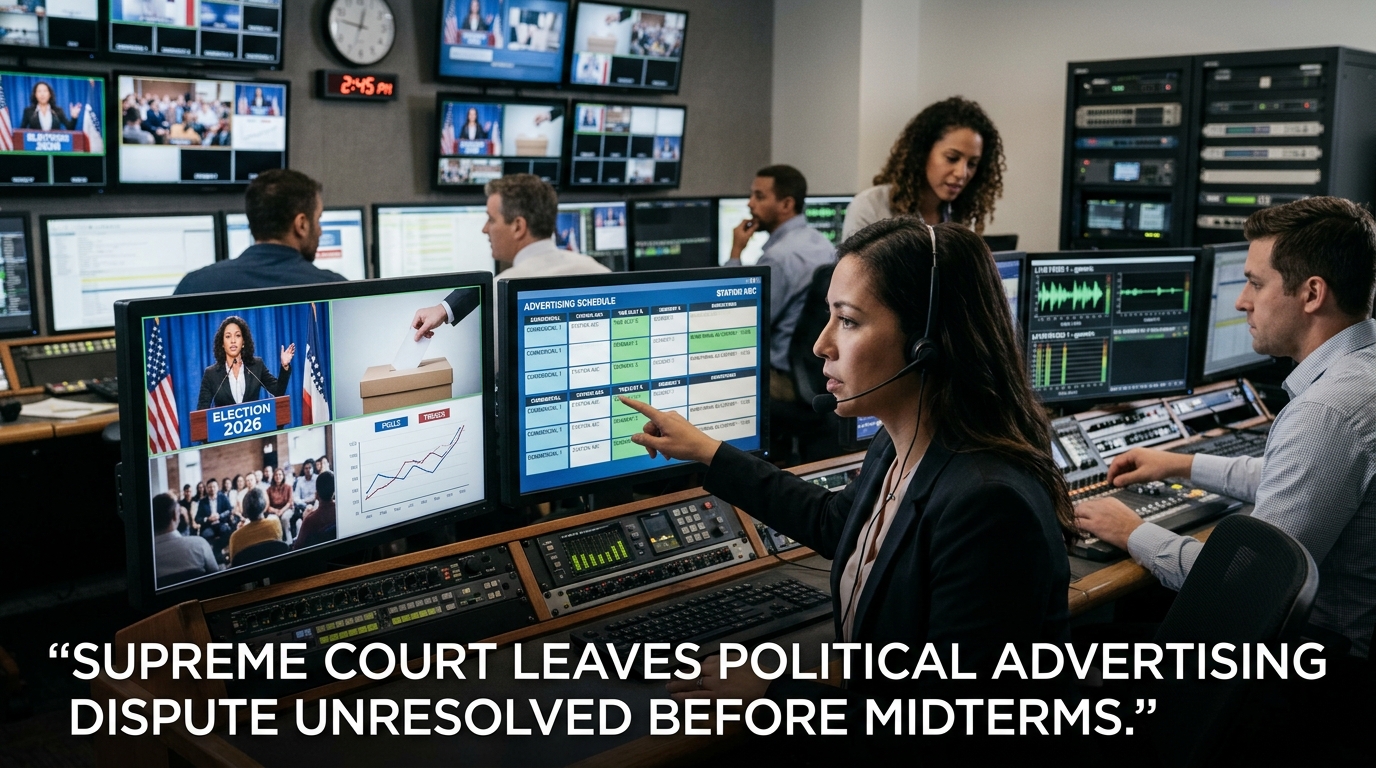
Television and radio advertising can be significant campaign expenses, particularly in closely contested races. Rules governing the rates charged for political advertising can influence how campaigns and party organizations allocate their resources.
The FCC's policy has become politically contentious because the parties disagree over its effects and legality. Democratic candidates have challenged the agency's handling of the issue, while the administration's regulatory approach has support among Republicans.
The Supreme Court's procedural decision did not resolve the underlying dispute over whether the policy is lawful.
A compressed legal timetable
With Election Day approaching, the timing of regulatory and judicial decisions is important to campaigns planning their final advertising schedules.
The FCC must address the complaint through its own procedures, after which further litigation may be possible. Any subsequent ruling would need to be interpreted in light of its scope and the specific legal issues presented.
The case illustrates how administrative decisions can affect the practical environment in which political campaigns operate, even before a court reaches a final judgment.