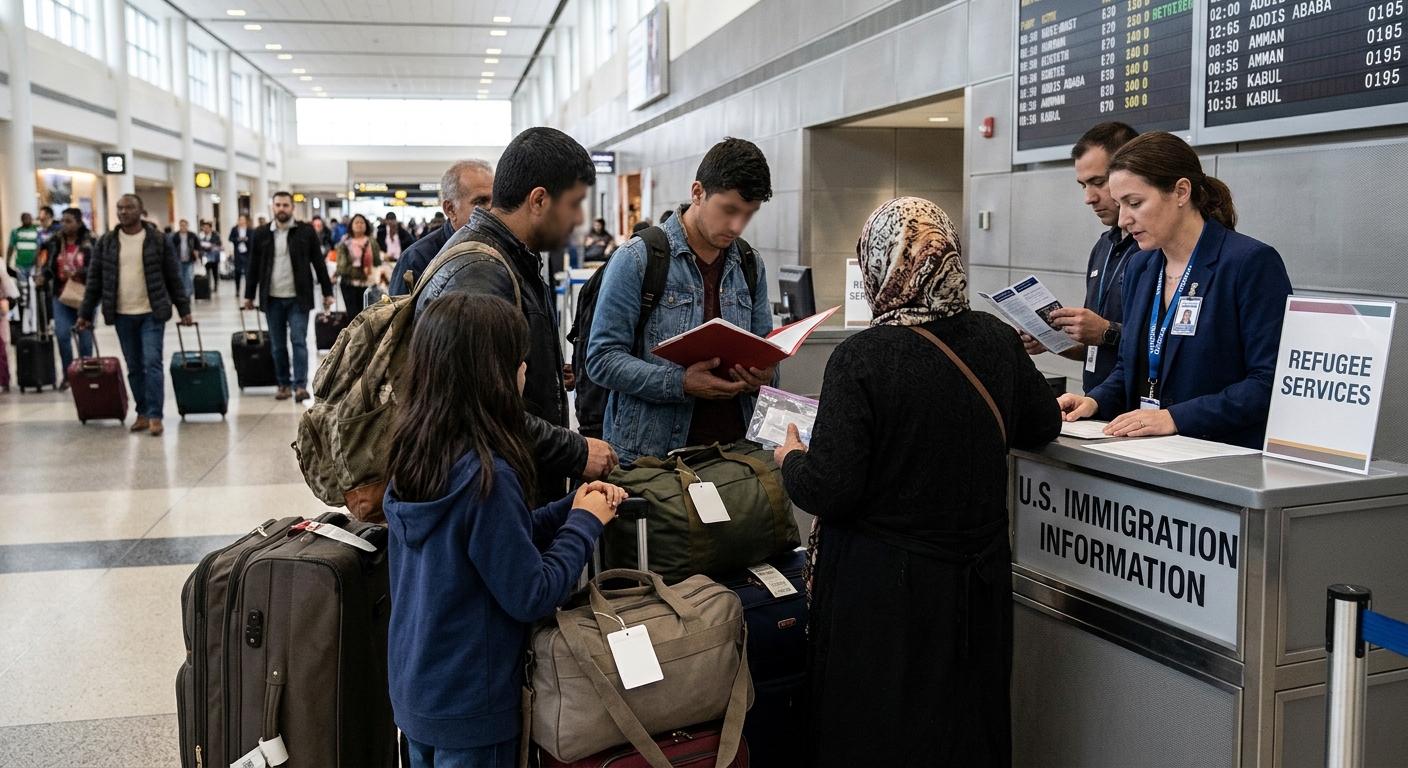


The Trump administration has told Congress that it plans to admit 17,500 refugees in fiscal year 2027, with most expected to be white South Africans, according to the Associated Press. The plan reflects a major shift in the emphasis of the U.S. refugee program and is likely to fuel debate over how humanitarian admissions should be determined.
Refugee admissions are shaped by presidential policy, federal processing capacity and the circumstances of people seeking protection from persecution. The administration's plan has drawn attention because of its specific focus on one group while the overall admission level remains limited.
Competing views of humanitarian priorities
Supporters of the administration's approach have emphasized its stated concerns about the conditions facing white South Africans. Critics have questioned the selection priorities and argued that refugee policy should be based on consistent assessments of persecution and humanitarian need rather than racial identity.
The debate reaches beyond a single annual admissions target. It raises questions about how the United States defines its humanitarian obligations and how the government balances foreign-policy priorities with established refugee procedures.
Implementation will determine the policy's reach
The announced number is a plan, not a guarantee that every designated place will be filled. Screening, eligibility reviews and administrative processing will influence the number of people ultimately admitted.
Congress and advocacy groups may continue scrutinizing the policy as the new fiscal year progresses. The issue is likely to remain part of the wider national discussion about immigration, federal discretion and America's role in protecting displaced people.