

.png)


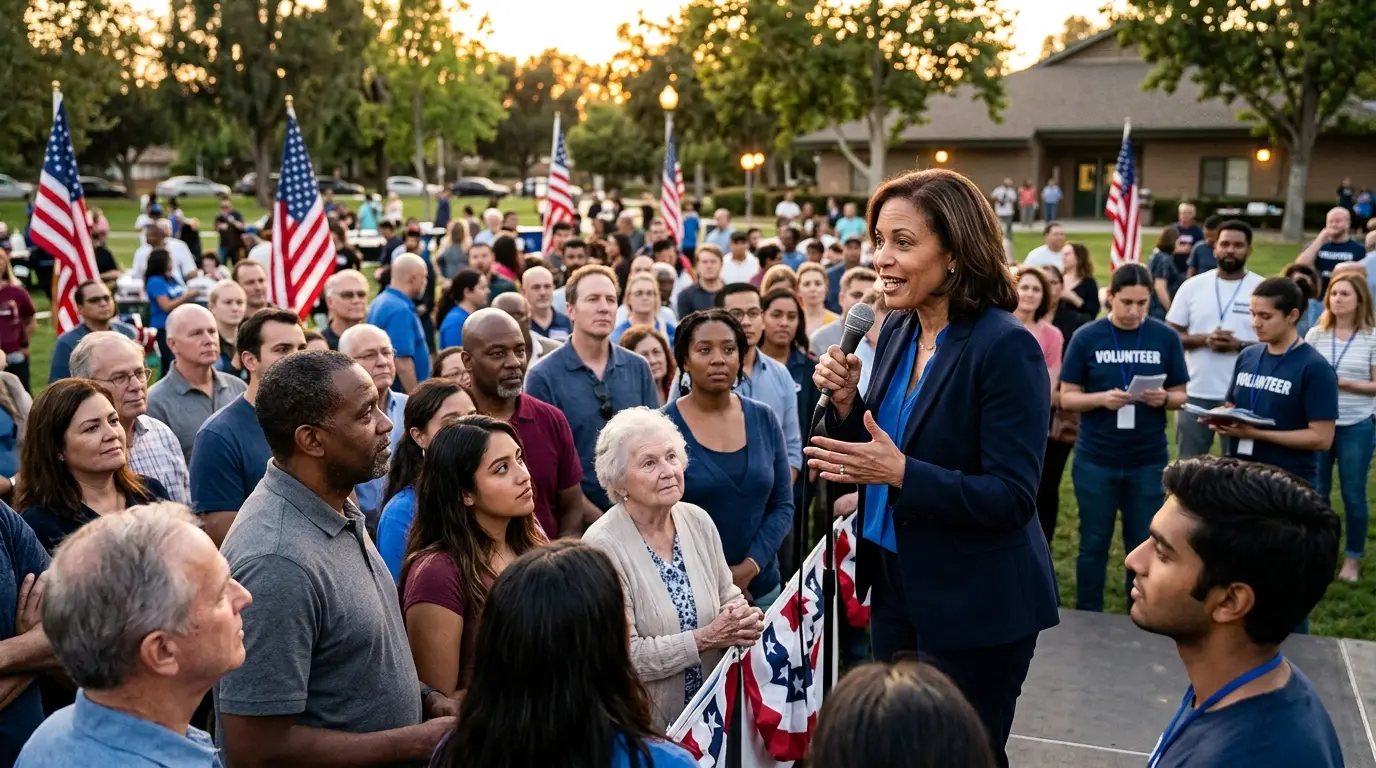
In cities across the United States, demonstrations have erupted in response to the Trump administration’s military operation in Venezuela that resulted in the capture of President Nicolás Maduro. The protests — largely peaceful but persistent — reflect growing domestic unease over the use of U.S. military force abroad, the legal basis for the intervention, and what many participants view as an overreach of executive power.
The demonstrations brought together a broad coalition of activists, community groups, students and ordinary citizens. Participants expressed concern about what they see as an unwarranted military action that risks undermining international norms, escalating regional instability, and diverting attention from pressing domestic challenges. Many protesters carried signs decrying interventionism, defending national sovereignty, and emphasising humanitarian concerns for ordinary Venezuelans caught between political conflict and economic hardship.
In New York, hundreds gathered in a central square, chanting calls for “peace not war” and “no more foreign interventions.” Speakers emphasised a desire for diplomatic solutions over military action, arguing that sanctions and dialogue had been insufficiently explored before the resort to force. Comparable gatherings took place in cities including Washington, Chicago and Los Angeles, with organisers highlighting that opposition to overseas military strikes can cut across partisan lines.
Some demonstrators focused on questions of executive authority and constitutional process. Critics of the administration’s decision argued that military action without clear congressional authorisation sets a troubling precedent, potentially blurring the separation of powers that governs decisions to use U.S. military force. At rallies outside federal buildings and in state capitals, speakers urged lawmakers to assert their constitutional role and clarify legal constraints on future interventions.
While the majority of protests were peaceful, law enforcement agencies deployed officers in key downtown areas to manage crowds and maintain public safety. Local authorities reported isolated disruptions to traffic during peak hours, but there were no significant reports of clashes between protesters and police. City officials underscored their commitment to upholding the right to peaceful assembly, even as they reiterated the importance of public order.
Public opinion surveys conducted after the intervention suggest a nation divided. Some Americans support decisive action against a leader accused of serious criminal conduct affecting U.S. security interests. Others worry that military intervention without broad international support could strain diplomatic relationships and increase risks of escalation. These divisions were reflected in interviews with demonstrators and bystanders alike, with many emphasising that concern about one foreign policy decision does not necessarily translate into wholesale opposition to American leadership abroad.
The protests also touched on broader historical memory. Several participants drew parallels with previous U.S. interventions in Latin America — from the Cold War era to more recent conflicts — arguing that external military involvement often yields outcomes that fail to match the rhetoric of liberation or stability. They warned that episodes of intervention can engender resentment, undermine local governance, and complicate long-term diplomatic relations.
Organisers of the demonstrations were quick to emphasise that their opposition was not an endorsement of any political leader in Venezuela, but rather a critique of the methods used and the broader implications for global norms and U.S. credibility. Many expressed solidarity with Venezuelan civilians, pointing to years of economic hardship, shortages of basic goods and political repression long before the recent escalation. For these activists, concern about human suffering extended beyond criticism of Maduro’s governance to a principled objection to the use of military force as a first resort.
Lawmakers have taken notice of the public response. Several members of Congress from both parties referenced the protests when calling for briefings on the legal basis for the intervention and requesting clear articulation of objectives and exit strategies. Some legislators criticised the administration’s messaging, arguing that statements suggesting the United States might “run” Venezuela temporarily created confusion about intentions and fuelled both domestic and international criticism.
Meanwhile, civil liberties groups weighed in on the protests themselves, stressing the importance of protecting free speech and assembly even as national security debates intensify. These organisations cautioned against any efforts to curtail peaceful protest or equate dissent with disloyalty, arguing that robust civic engagement is a cornerstone of a functioning democracy.
Media coverage of the demonstrations highlighted the range of perspectives within the demonstrations and underscored that public response is not monolithic. Commentators noted that opposition to military intervention often transcends typical political divides, drawing voices from progressive anti‑war movements, religious peace groups, and conservative constitutionalists concerned about executive overreach.
Observers also pointed out that the protests reflect broader anxieties about the direction of U.S. foreign policy at a moment of shifting global power dynamics. In an era marked by competition among major powers, debates about when and how the United States uses its military capabilities are intensifying, with public opinion increasingly a factor in shaping political calculations.
For many participants, the demonstrations were less about a single policy decision and more about asserting a vision of American engagement rooted in law, diplomacy and respect for national sovereignty. Their message, repeated across city squares and outside federal buildings, underscored a desire for a foreign policy that prioritises peaceful solutions and robust international cooperation over unilateral military action.
As protests continue in the days following the Venezuela intervention, the administration’s capacity to respond to both international and domestic pressure will be watched closely. Whether the public demonstrations represent a sustained movement or a momentary outpouring of concern remains to be seen. What is clear, however, is that this episode has sparked a vigorous debate in the United States about the balance between national security, legal authority, humanitarian considerations and the use of military power abroad.