

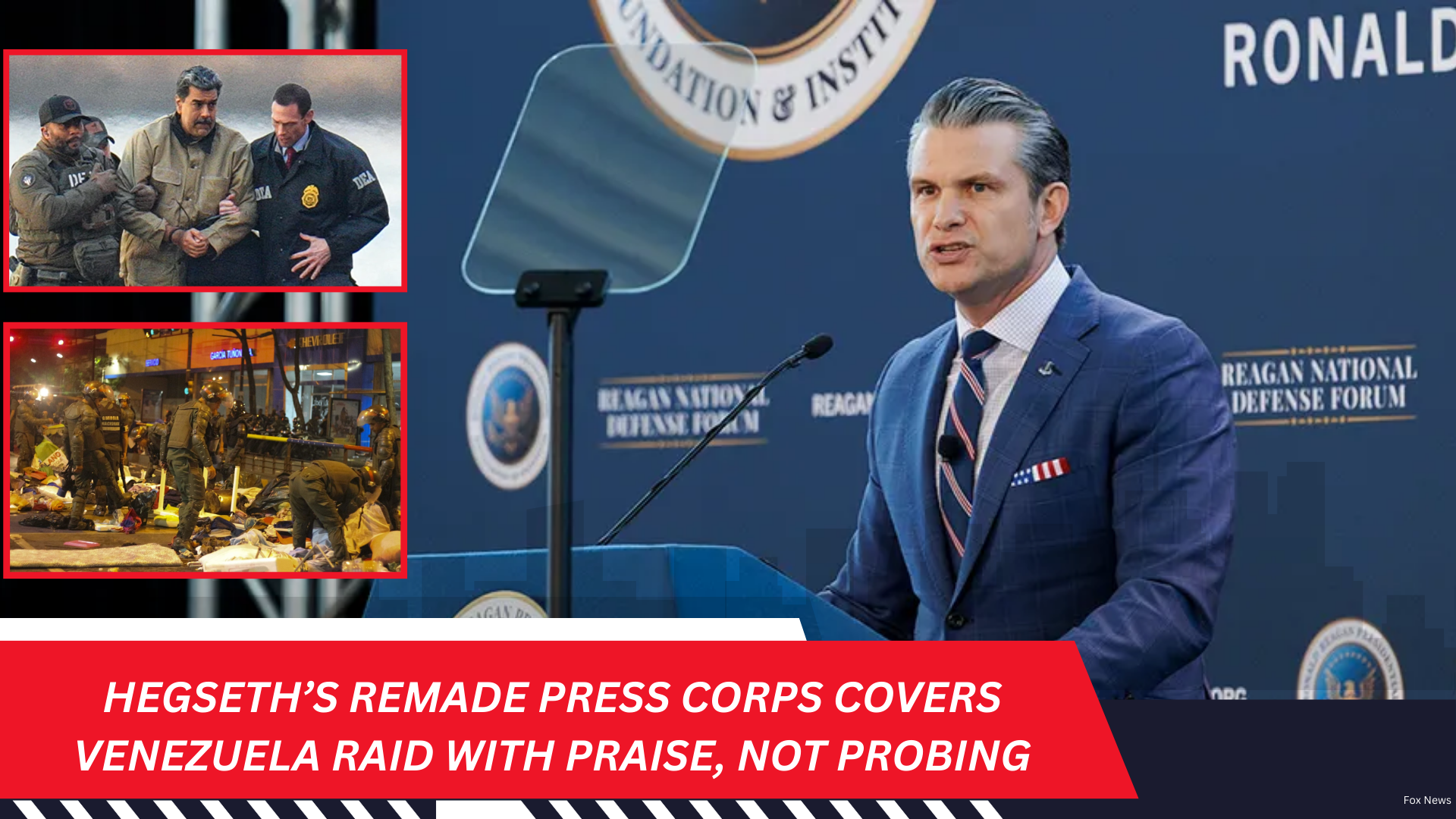


The U.S. military operation in Venezuela that led to the capture of President Nicolás Maduro marked a dramatic moment in American foreign policy. Yet just as consequential as the operation itself has been how it was presented to the public. Under Defense Secretary Pete Hegseth, the Pentagon’s press environment has undergone a fundamental transformation, and the coverage of the Venezuela raid has become a case study in the implications of that shift.
Hegseth’s tenure has been defined in part by a deliberate remaking of the Pentagon press corps. Longstanding national security reporters from major news organizations — many with decades of experience covering military operations, defense budgets, and war-time decision-making — are no longer embedded in daily Pentagon life. Instead, the Defense Department has opened its doors to a new group of credentialed media figures, many of whom come from partisan outlets or operate primarily as commentators and influencers rather than investigative journalists.
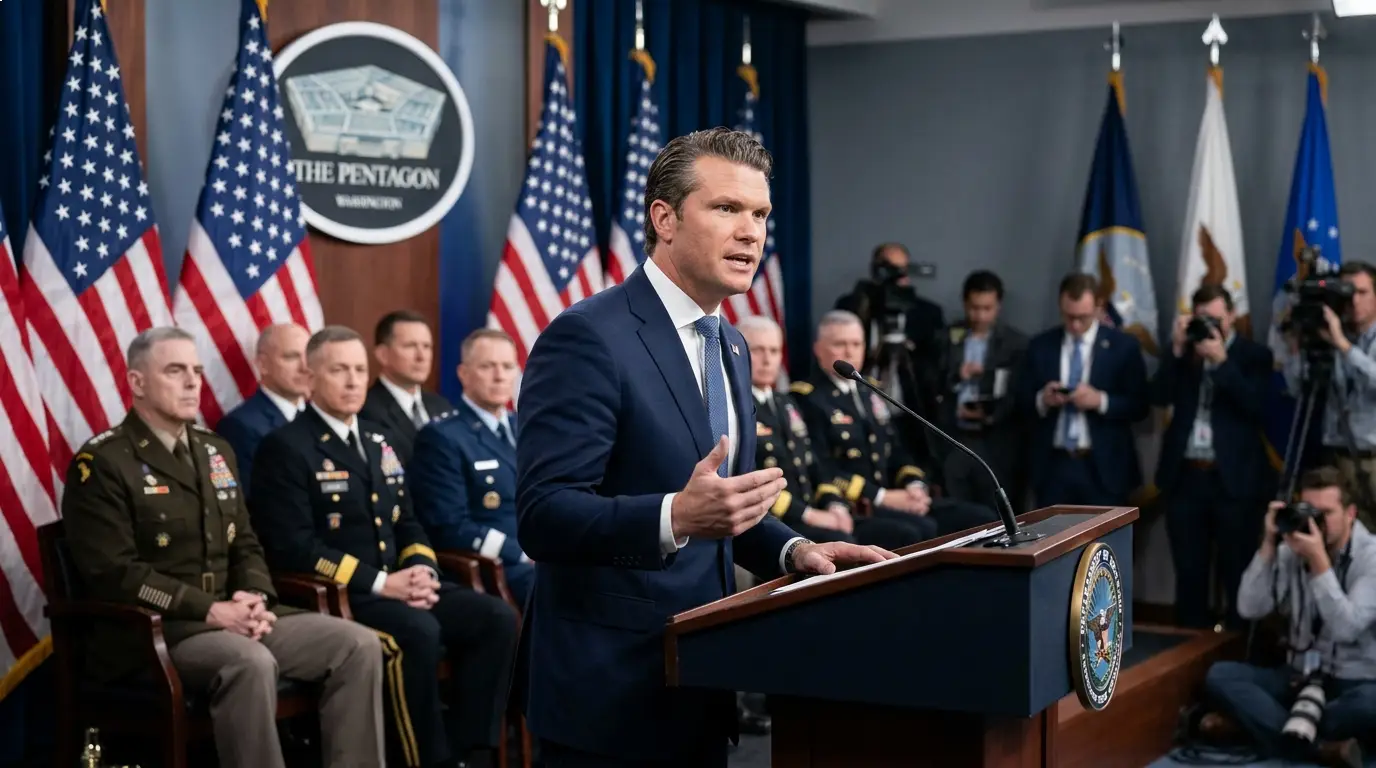
This new press corps was prominently on display during a Pentagon-organized tour tied to the aftermath of the Venezuela raid. The event was framed as an opportunity to highlight American military strength, domestic defense manufacturing, and decisive leadership. What emerged from the coverage, however, was less a detailed examination of the operation’s planning, execution, and consequences, and more a stream of supportive commentary praising Hegseth, the administration, and the armed forces.
Notably absent from much of the reporting were the kinds of probing questions traditionally associated with Pentagon coverage. There was little sustained inquiry into the legal justification for the raid, the intelligence that underpinned it, coordination with allies, or the potential long-term ramifications for regional stability. Instead, public statements and social media posts from credentialed reporters often echoed official talking points or expressed personal admiration for senior leadership.
This dynamic is closely tied to the rules governing access. Under the revised Pentagon media policy, reporters seeking credentials were required to accept tighter restrictions on what could be reported and how information could be used. Many mainstream outlets declined to operate under those conditions, arguing that the rules compromised editorial independence and the press’s watchdog role. Their absence has reshaped the information environment inside the Pentagon, concentrating access among a smaller, more ideologically aligned group of correspondents.
Supporters of the new approach argue that it corrects what they view as longstanding media bias and allows the Pentagon to communicate directly with audiences without what they describe as hostile framing. They also contend that tighter controls help protect sensitive information and ensure operational security. From this perspective, the coverage of the Venezuela raid reflects unity of purpose and respect for the military at a moment of national significance.
Critics see something very different. They argue that the tone and substance of the coverage amount to a softening of journalistic scrutiny at precisely the moment when it is most needed. Major military actions, particularly those involving regime change or the capture of a foreign head of state, carry profound legal, ethical, and geopolitical implications. Without persistent questioning and independent verification, the public is left with an incomplete picture of how decisions were made and what risks were accepted.
The contrast between inside-the-Pentagon coverage and reporting produced by outside outlets has been striking. News organizations without Pentagon credentials have continued to report aggressively on the Venezuela operation, drawing on independent sources, regional experts, and international reaction. Their reporting has raised questions about civilian casualties, diplomatic fallout, and the precedent set by the operation — topics largely absent from the coverage generated by the Pentagon’s credentialed press corps.
This divide has fueled a broader debate about press freedom and democratic oversight. Historically, the Pentagon press corps has served as a critical intermediary between the military and the public, balancing national security concerns with the need for transparency. While reporters have long honored requests to delay publication of sensitive details to protect lives, that cooperation was typically voluntary and rooted in mutual trust. The current model, critics argue, replaces trust with control and substitutes accountability with access-based loyalty.
Even some observers sympathetic to Hegseth’s broader political agenda have expressed unease. They note that a press corps perceived as overly deferential risks losing credibility, not only with the public but also within the military itself. Serious journalism, they argue, strengthens institutions by exposing weaknesses before they become failures.
As legal challenges and policy debates continue, the future of Pentagon press access remains uncertain. What is clear is that the coverage of the Venezuela raid has become a defining moment in this evolving relationship between the Defense Department and the media. Whether the current approach endures or prompts a recalibration will shape how Americans understand military power, executive authority, and the role of a free press in matters of war and peace.