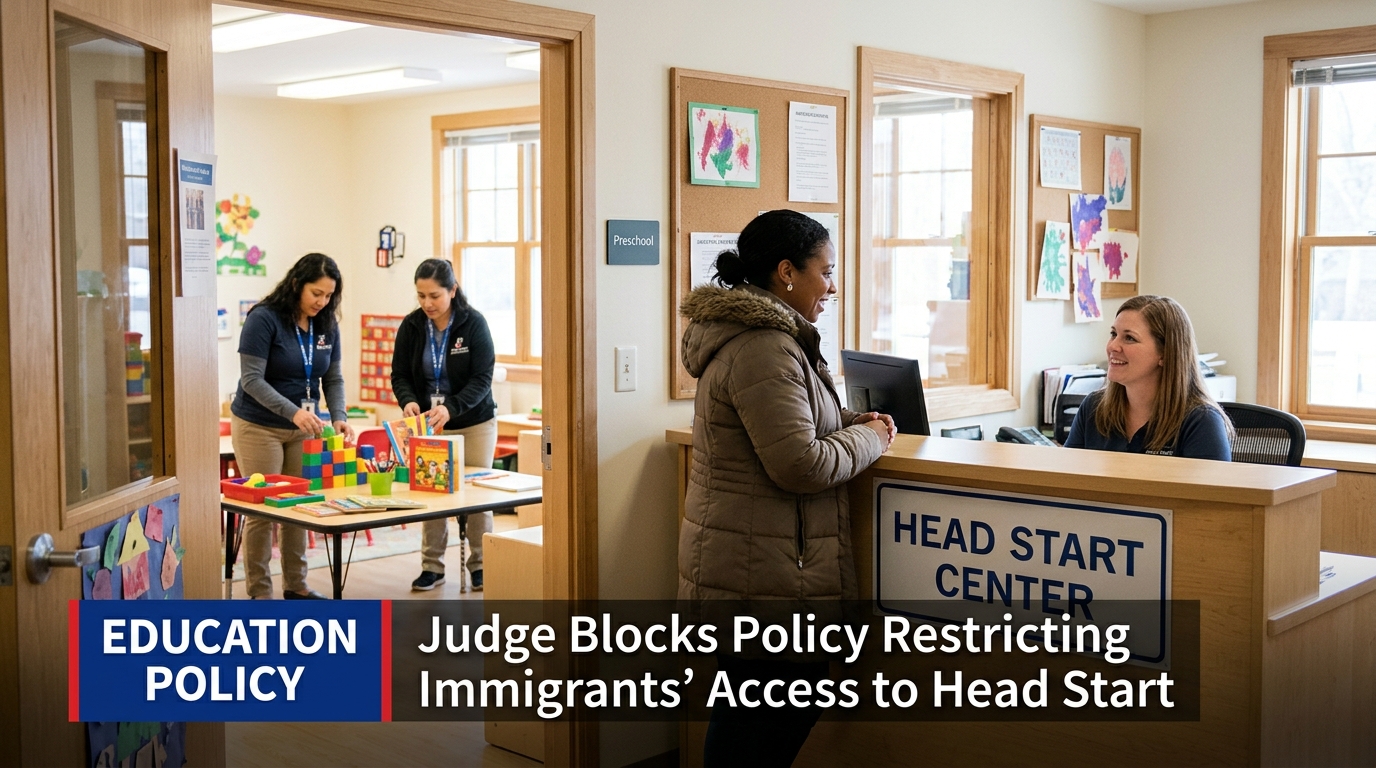


A federal judge in Rhode Island has permanently blocked a Trump administration directive that would have restricted some immigrants' access to a range of federally supported services, including Head Start preschool programs, community health clinics and adult education initiatives. The ruling represents a legal setback for an effort to change how federal benefit restrictions apply to certain groups.
The policy had not taken effect while the case proceeded because the court had previously issued an injunction. The judge's latest decision makes that restriction permanent in the case, concluding that the administration had not used the proper legal process to implement the changes.
A legal dispute over federal benefit rules
The administration argued that the policy would prevent people who were in the country unlawfully from accessing certain public benefits. Opponents contended that the directive attempted to redefine the scope of existing restrictions without following the required procedures.
The judge's decision focused on how the policy was introduced, including whether the government could change the relevant rules through a directive rather than the formal regulatory process. The ruling does not mean that every immigrant is eligible for every federal program; eligibility continues to depend on the law and rules governing each service.
Why Head Start and community services were central
Head Start provides early childhood education and family support services to eligible children. Community health clinics and adult education programs serve different needs, but all can depend on clear eligibility requirements and reliable federal guidance.
Service providers had warned that broad or unclear restrictions could create administrative burdens. Organizations might need to verify eligibility more extensively, potentially delaying enrollment and making it harder to distinguish people who are ineligible from citizens or lawful residents who qualify for services.
The legal challenge also raised concerns that uncertainty could discourage eligible families from seeking assistance. When program rules are unclear, families may avoid services even when they have a legal right to receive them.
What the ruling means next
The administration retains the ability to pursue changes through lawful regulatory procedures, subject to statutory requirements and further legal review. Any future proposal would need to address the legal deficiencies identified by the court.
For Congress, the dispute highlights the tension between immigration enforcement objectives and the administration of social programs. Lawmakers may face questions about whether eligibility standards are clear enough for schools, clinics and service organizations to apply consistently.
The decision also illustrates the limits of executive policy changes when courts determine that required procedures have not been followed. The broader policy debate is likely to continue, but the immediate legal outcome prevents the challenged directive from being implemented as written.