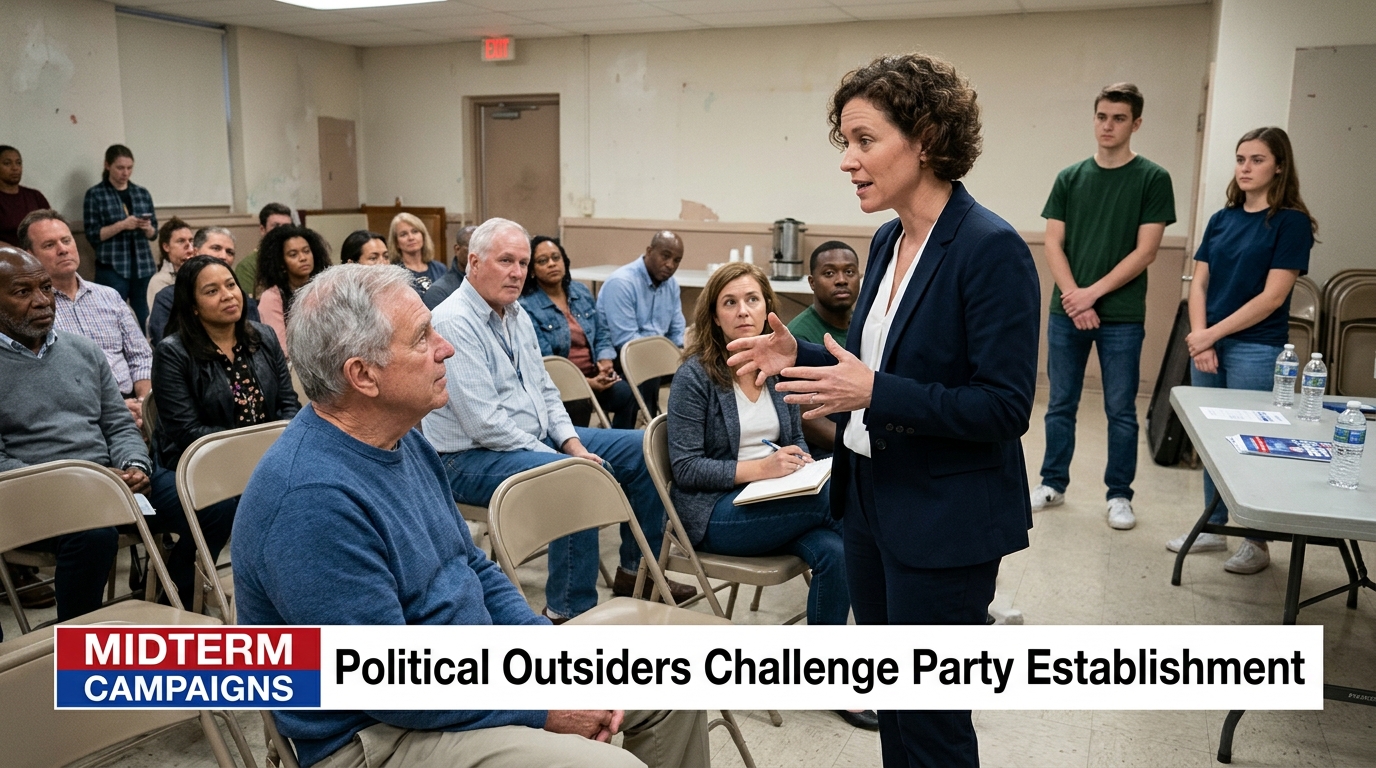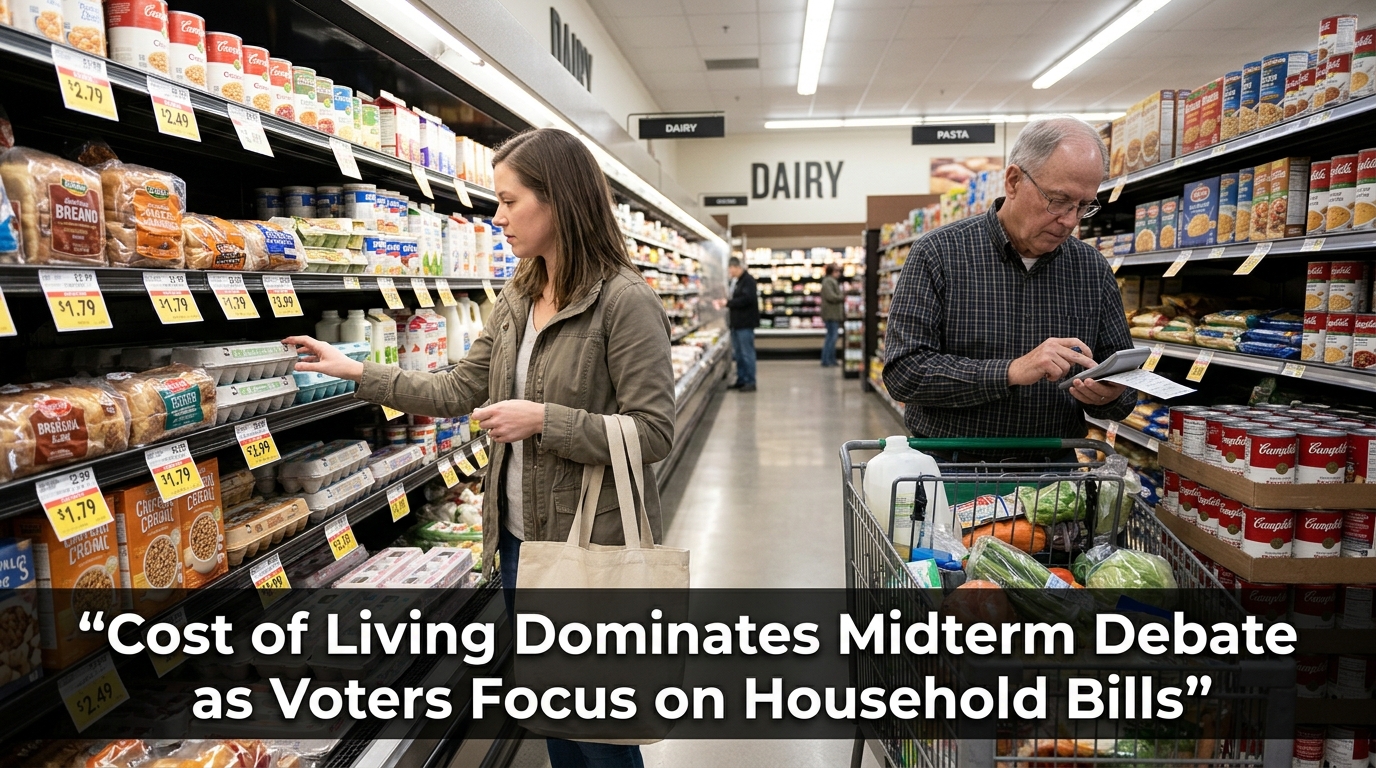


Household expenses have become a central issue in the final stretch of the 2026 midterm campaign, placing the economy at the center of debates over the performance of President Donald Trump and the Republican-controlled Congress.
A Reuters report published October 20 identified affordability, immigration and the president's political standing as major factors shaping the November 3 elections. Registered voters have cited living costs as a leading consideration when deciding how to vote.
Campaign promises meet household pressures
Food, housing, healthcare and transportation are among the expenses receiving particular attention from voters. Higher fuel prices have also become part of the debate, affecting household budgets and the operating costs of businesses.
Democrats have argued that the administration's economic policies have not delivered the relief many households expected. They have emphasized measures aimed at reducing everyday costs and have promised stronger congressional scrutiny if they gain control of either chamber.
Republicans have defended their legislative agenda and pointed to their policy priorities on taxes, immigration and economic growth. The parties differ over the causes of current price pressures and the federal government's ability to address them.
Congress faces competing economic priorities
The election could determine which party sets the agenda for tax policy, healthcare funding and federal spending during the next two years.
A change in congressional control would affect the legislative process, committee leadership and oversight priorities. Even without a change in control, a narrow majority could make it difficult to pass major legislation without cooperation among lawmakers.
Voters will ultimately evaluate competing claims against their own financial circumstances and the policy proposals presented by candidates.
The political consequences of affordability concerns will become clearer when votes are counted. Until then, the issue remains a major point of debate across congressional campaigns and White House messaging.