

.jpg)


Washington — Recent reports indicate that individuals invited to certain White House events have been asked about prior donations to former President Donald Trump’s Mar-a-Lago ballroom, highlighting the intersection of political fundraising, access, and ethical scrutiny in Washington. The inquiries, which appear to focus on contributions made to support Trump-owned properties used for hosting political and social gatherings, have raised questions about how financial support may influence access to high-profile events and political figures.
According to multiple sources, guests attending these events were sometimes asked whether they had made contributions to Mar-a-Lago’s ballroom, a venue within Trump’s Florida estate frequently used for fundraisers and exclusive social gatherings during and after his presidency. While specific questions vary, the underlying purpose appears to be determining eligibility for invitations, table purchases, or VIP seating arrangements. Such practices have been common in political circles, though they draw heightened scrutiny when they intersect with properties owned by political figures themselves.
The scrutiny stems in part from ethical and legal considerations. When donations or payments directly benefit a political figure’s personal business, it can blur the lines between official and private interests. Federal law generally prohibits using public office for personal financial gain, but the regulatory framework for post-presidency events or political fundraisers at private properties is more nuanced. Legal experts note that transparency and disclosure are central to evaluating whether such practices remain within ethical boundaries.
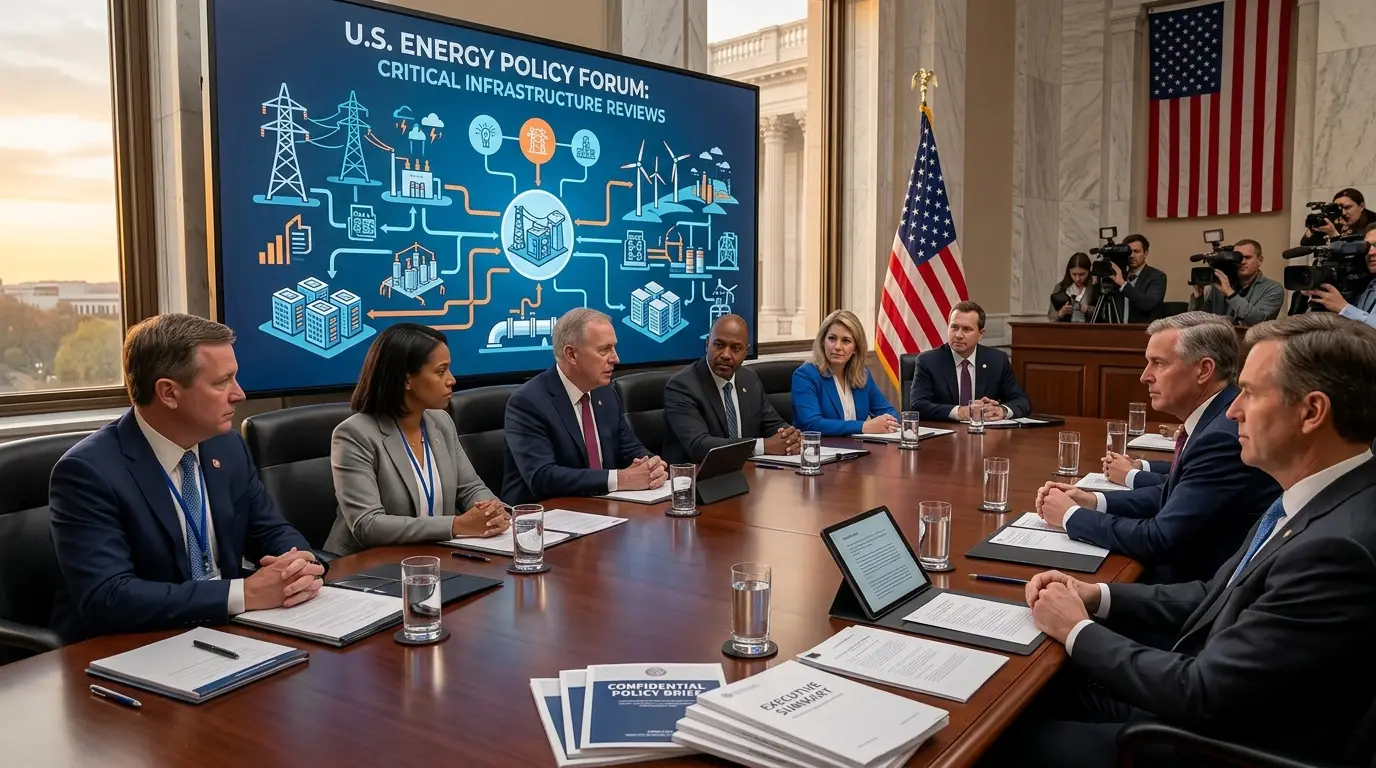
Mar-a-Lago, which serves both as Trump’s private residence and a club open to members, has hosted numerous political events since his presidency. The ballroom, in particular, has been a focal point for high-dollar fundraisers, policy briefings, and social gatherings with political figures and donors. Guests frequently pay substantial sums for tables or memberships, and the question of whether prior financial support influences access underscores broader concerns about the influence of wealth in politics.
Critics argue that asking about donations to the ballroom could create the perception that access to former presidents or high-level political figures is contingent on financial contributions to private properties. They warn that such practices, even if legal, may undermine public trust in political processes and reinforce the perception that political influence can be purchased. Transparency advocates emphasize the importance of documenting and reporting contributions to avoid conflicts of interest or the appearance of impropriety.
Supporters contend that these inquiries are standard practice in political fundraising. High-dollar events often require vetting attendees to ensure compliance with campaign finance regulations, prevent security risks, and manage event logistics. Asking about prior contributions can also help organizers identify committed supporters or donors who are likely to participate in future fundraising efforts. From this perspective, the practice is a routine part of orchestrating large-scale political gatherings rather than a sign of undue influence.
The issue also touches on the evolving relationship between former presidents, their private businesses, and political activity. Unlike sitting presidents, who are subject to stricter ethics rules regarding commercial interests, former presidents operate in a legal gray zone when hosting fundraisers at personally owned venues. While federal campaign finance laws regulate contributions to campaigns and political action committees, enforcement and oversight become more complex when funds intersect with privately owned spaces.
Some legal observers note that the key concern is whether funds flow directly to the individual or their personal business versus a registered campaign entity or charitable organization. The distinction affects whether the transaction falls under existing campaign finance and ethics regulations. Transparency, recordkeeping, and disclosure practices are critical in maintaining the distinction and avoiding potential violations.
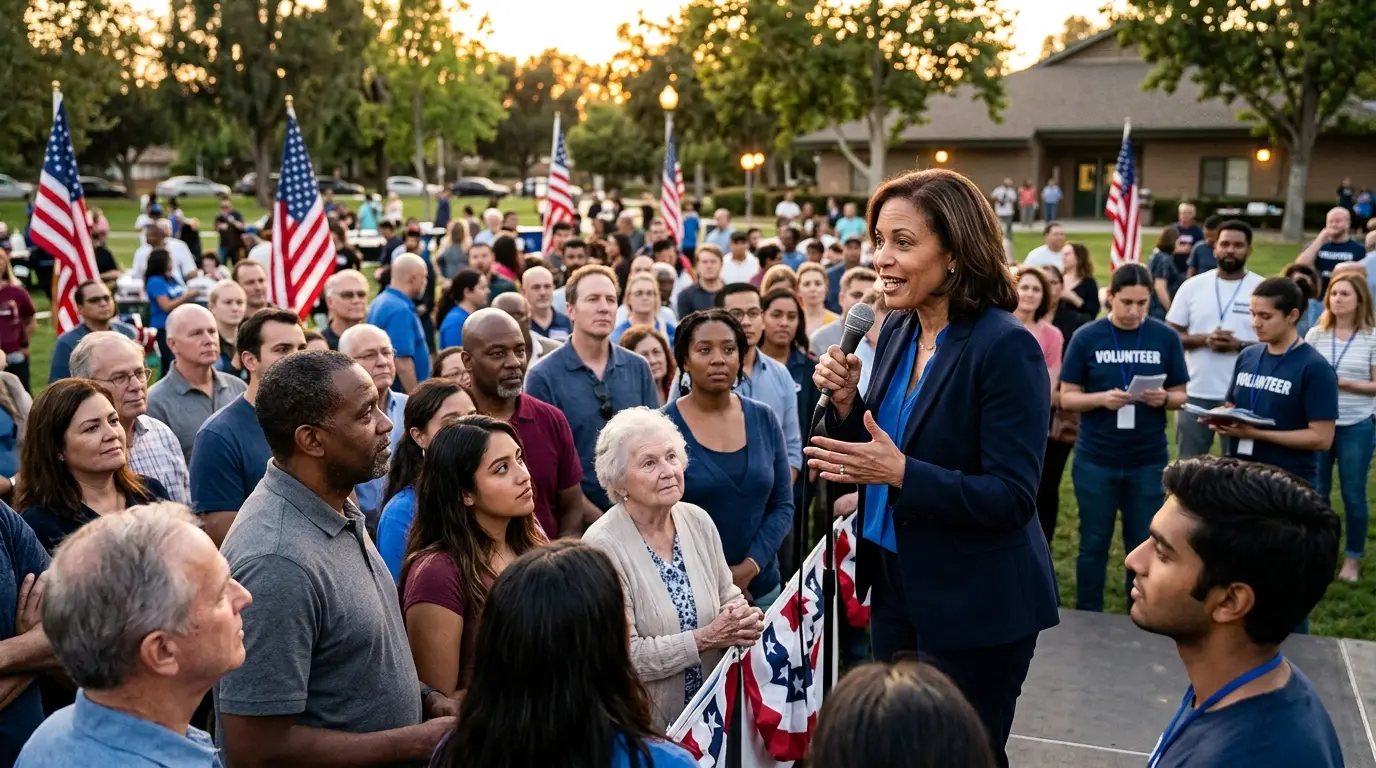
Beyond legal questions, the situation raises broader questions about political culture and access. Political fundraising often creates stratified networks in which wealth and donations influence social and political interaction. Events at private properties, especially high-profile locations such as Mar-a-Lago, amplify this dynamic, making the connection between financial contributions and access more visible. While some see it as a pragmatic way to fund political activity, others see it as a challenge to equitable participation in political life.
In response to inquiries, representatives for Trump have emphasized that all contributions and event arrangements adhere to applicable laws and regulations. They note that political gatherings at Mar-a-Lago are organized within the framework of campaign finance law, with required reporting and compliance measures in place. Nevertheless, the practice of questioning guests about prior donations continues to attract attention from ethics observers, media analysts, and the public.
The issue is likely to remain part of broader discussions about campaign finance reform, political fundraising practices, and the intersection of personal business interests with political activity. As political events increasingly blend private venues, social networking, and high-dollar contributions, regulators and watchdogs may continue to examine the boundaries of ethical and legal fundraising.
In conclusion, the practice of asking White House or political event invitees about contributions to Trump’s Mar-a-Lago ballroom underscores enduring questions about the relationship between money, access, and influence in American politics. While supporters argue that such inquiries are routine and legal, critics emphasize the importance of transparency and public trust. The situation reflects the ongoing tension between political fundraising, private business interests, and the perception of equitable access to political figures.