

.png)


As the Trump administration defends its decision to carry out a military operation in Venezuela that resulted in the capture of President Nicolás Maduro, one absence has drawn growing attention in Washington: the public silence of the U.S. director of national intelligence. At a moment when intelligence assessments are central to understanding both the justification and consequences of the operation, the lack of public comment has raised questions about transparency, process, and institutional roles.
The director of national intelligence traditionally serves as the chief coordinator of the U.S. intelligence community and a key public-facing authority during major national security events. In previous crises, intelligence leaders have often provided at least limited public reassurance, outlining threat assessments, confirming the role of intelligence in decision-making, or addressing concerns about escalation. In this case, however, no formal statement has been issued, and the office has declined to comment publicly on the operation.
Administration officials argue that silence should not be interpreted as dissent or disengagement. They maintain that intelligence agencies were fully involved in planning and execution, and that classified briefings to congressional leaders are either underway or forthcoming. From this perspective, the absence of public remarks reflects caution rather than controversy, given the sensitivity of intelligence sources and methods in an ongoing international situation.
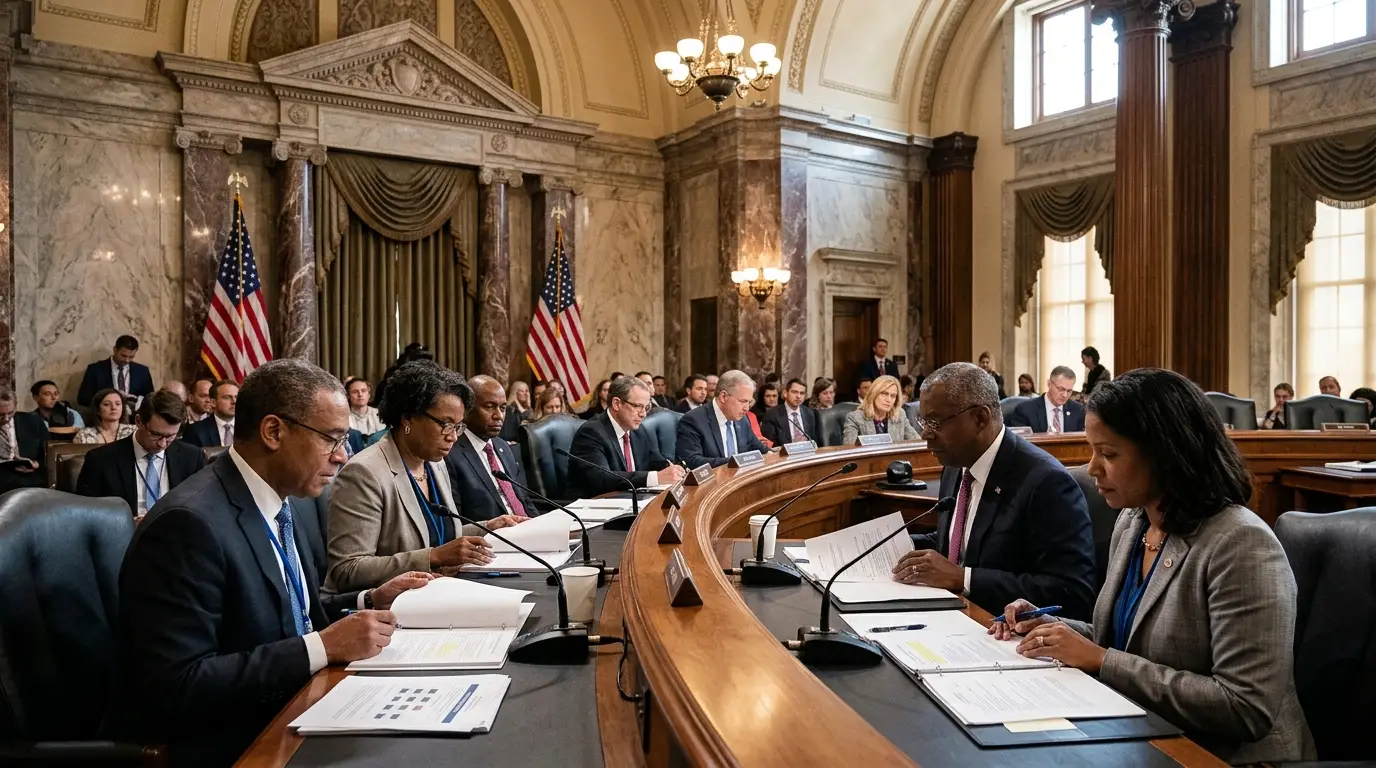
Still, the silence has not gone unnoticed on Capitol Hill. Lawmakers from both parties have privately and publicly called for clarity about the intelligence underpinning the operation. Their concerns are not limited to Venezuela itself, but extend to broader institutional norms. Congress relies on intelligence leadership not only for classified assessments, but also for measured public explanations that help anchor debate in facts rather than speculation.
Critics argue that the lack of commentary risks creating a vacuum. In the absence of authoritative intelligence guidance, competing narratives have emerged, ranging from claims of imminent threats to warnings of reckless overreach. For lawmakers tasked with oversight, the issue is less about operational detail and more about confidence in the process that led to the use of force.
Historically, intelligence leaders have walked a careful line in such moments. They are not policymakers, and they do not advocate for military action. Their role is to assess threats, present evidence, and outline risks. When they speak publicly, it is typically to reinforce institutional credibility and reassure both domestic and international audiences that decisions were informed by rigorous analysis rather than impulse.
The Venezuela operation places that tradition under strain. President Trump has emphasized decisiveness and speed, presenting the strike as a law enforcement action against an indicted foreign leader rather than a conventional military intervention. That framing, while politically resonant with supporters, complicates the intelligence narrative. It blurs distinctions between criminal justice, counter-narcotics efforts, and military force, making clarity from intelligence leadership more, not less, important.
Some former intelligence officials have cautioned that prolonged silence can inadvertently politicize intelligence. When intelligence agencies do not speak at all, they risk being perceived as either sidelined or fully aligned with political messaging, even if neither is true. In polarized times, perception can matter as much as substance.
Supporters of the administration counter that public commentary from intelligence leaders is unnecessary and potentially counterproductive. They argue that intelligence assessments belong in classified settings, not press briefings, and that premature disclosure could compromise ongoing operations or international cooperation. In their view, restraint is a sign of professionalism, not evasion.
The debate reflects a broader tension in modern governance. As presidents increasingly communicate directly with the public, often in blunt and expansive terms, the supporting institutions of government face pressure to either echo that messaging or retreat into silence. Neither option sits comfortably with traditions of measured, institutional communication.
Internationally, the silence has also been noted. Allies accustomed to intelligence-based briefings and shared assessments have sought reassurance that the operation was grounded in verifiable intelligence and coordinated analysis. While diplomatic channels may be providing those assurances privately, the lack of a public signal leaves room for doubt among partners already uneasy about escalation in the region.
Ultimately, the director of national intelligence may yet speak, particularly as congressional hearings move forward and oversight demands intensify. If and when that happens, the focus is likely to be narrow: confirming the role of intelligence, outlining general threat assessments, and reaffirming adherence to law and process without divulging sensitive details.
For now, the silence itself has become part of the story. It highlights the delicate balance between secrecy and accountability, and between political leadership and institutional support. In moments of crisis, Americans often look not only to elected officials, but to the steady presence of professional institutions. Whether that expectation is met through words or restraint remains a subject of debate in the wake of the Venezuela operation.