

.png)


Democratic lawmakers have sharply criticised the Trump administration following the U.S. military operation in Venezuela that led to the capture of President Nicolás Maduro. Lawmakers described the action as a unilateral decision that bypassed congressional oversight and raised serious legal and ethical questions about executive authority, the use of force abroad, and the implications for U.S. foreign policy.
Senators and members of the House have voiced frustration that the administration did not provide prior consultation or adequate briefings to Congress. Many described the sudden operation as a breach of trust, arguing that elected representatives were effectively sidelined in a decision with profound geopolitical consequences. Statements from Democratic leaders emphasised that such unilateral actions risk undermining the constitutional balance of powers, which stipulates that Congress has a key role in authorising military force.
Critics also questioned the legal justification for the strike. While the administration cited existing criminal indictments against Maduro for narcotics trafficking and alleged threats to U.S. security, Democrats argue that these charges do not provide carte blanche for a cross-border military intervention. Some have highlighted potential violations of international law and the U.N. Charter, underscoring that military action in a sovereign state without explicit multilateral approval sets a troubling precedent.
Several Democrats focused on the messaging and communication surrounding the operation. Statements by President Trump suggesting that the United States would temporarily “run” Venezuela drew particular criticism. Lawmakers argued that such remarks were misleading and contributed to confusion among domestic and international audiences. They contended that the administration had provided assurances that were contradicted by subsequent actions, leaving Congress and the public in the dark about intentions and scope.
Beyond legal and procedural concerns, Democratic lawmakers expressed anxiety about the broader consequences of the operation. Some highlighted the potential for regional destabilisation, noting that Latin American governments were already alarmed by the U.S. action. The concern extends to humanitarian impacts, as civilians in Venezuela face uncertainty, potential shortages, and the disruption of daily life amid political upheaval. Critics emphasised that military interventions often have unintended consequences, particularly when executed without clear international coordination.
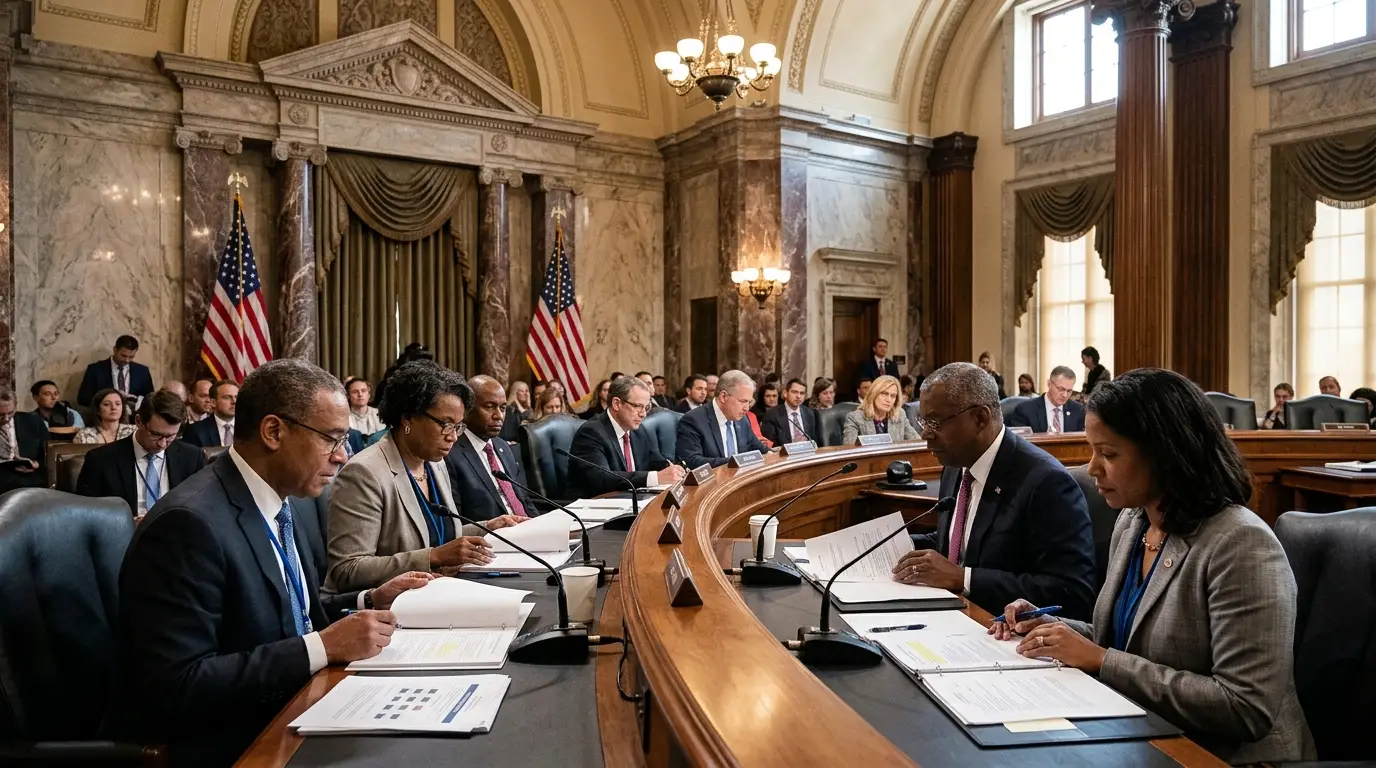
The party’s criticism also touched on domestic politics. Democrats warned that unilateral foreign interventions could deepen partisan divisions and erode public confidence in government institutions. Some lawmakers called for immediate hearings to examine the operation, request intelligence assessments, and evaluate the legal basis for the strike. They stressed that oversight is essential to ensure accountability and prevent future executive overreach.
While the critique is sharp, it is not uniform in tone. Some Democrats acknowledged the seriousness of Maduro’s alleged crimes and the need for accountability, but stressed that enforcement must be consistent with law, diplomacy, and multilateral coordination. The distinction is clear: concern is less about the outcome of detaining Maduro and more about how the administration carried out the operation.
International law experts have supported this perspective, noting that while criminal charges against foreign leaders can justify domestic investigations, they do not automatically grant permission for military action in another sovereign country. Democrats have echoed this argument, stressing that the United States must uphold global norms to maintain credibility and prevent escalation in other regions.
The criticism extends to messaging about U.S. intentions in Venezuela. Democrats emphasised that statements implying temporary U.S. administration of the country create unnecessary tension and could complicate diplomatic efforts in the hemisphere. Such rhetoric, they argue, risks inflaming anti-American sentiment and undermines alliances with neighboring nations that expect respect for sovereignty.
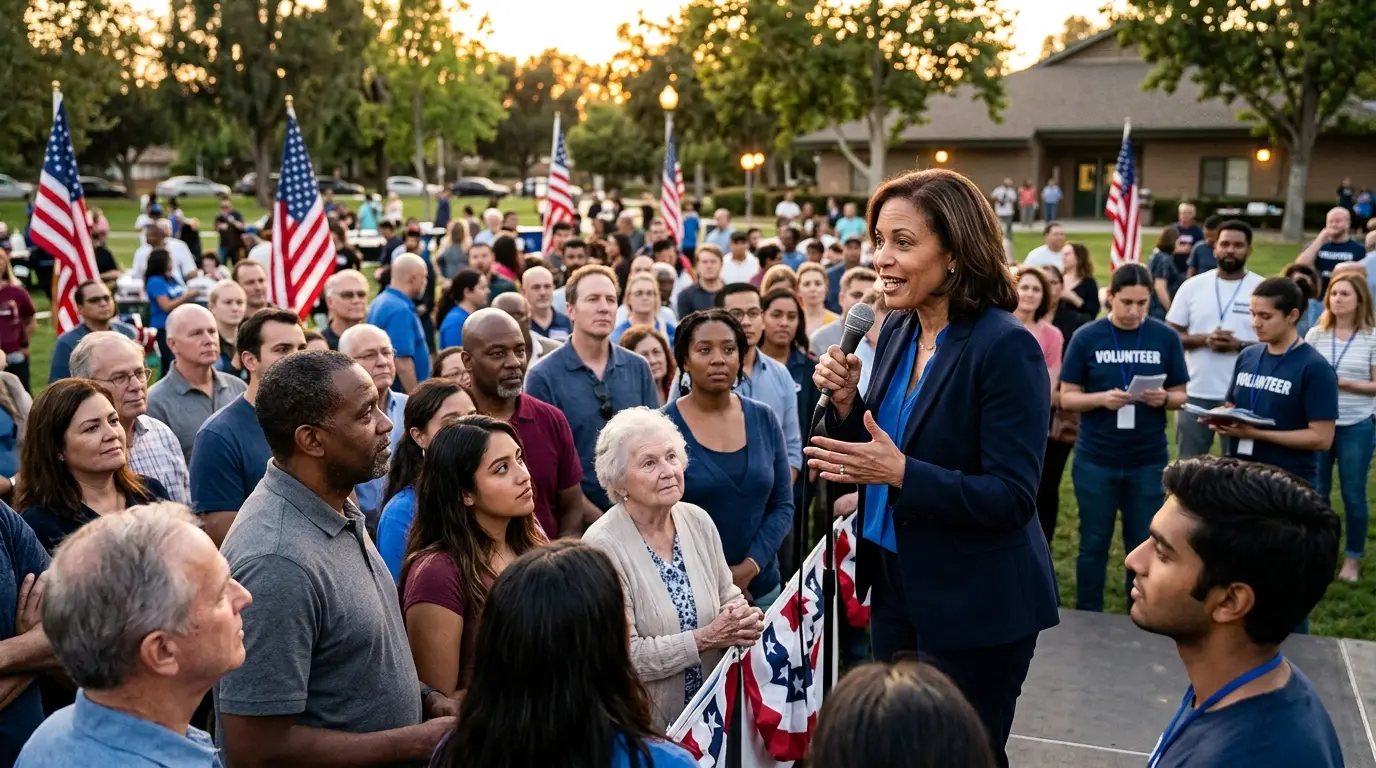
Public reaction has mirrored congressional concern. In cities across the United States, protests have emerged in response to the military operation, highlighting the divide between supporters of decisive action and those who worry about legality and humanitarian implications. Democratic lawmakers have cited these protests as evidence that Americans are attentive to executive decisions that carry international consequences.
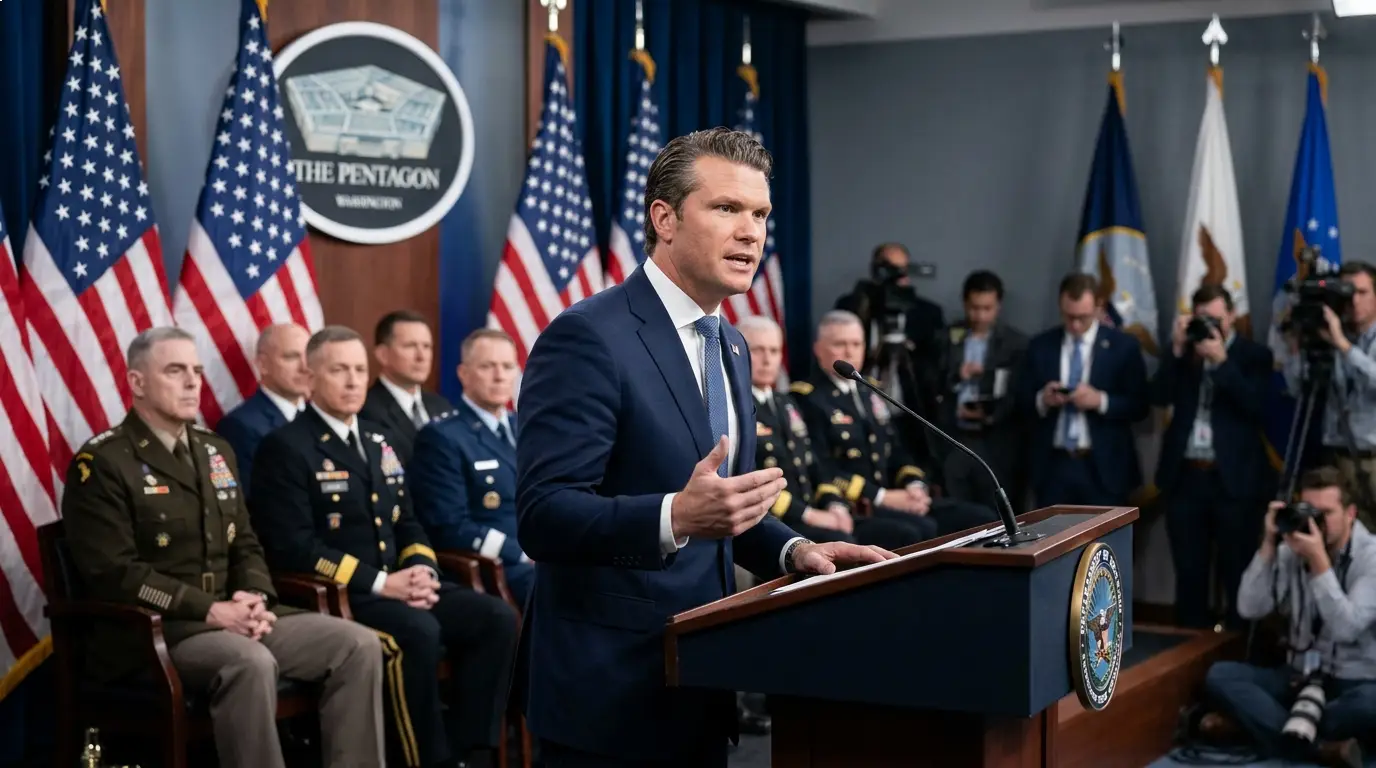
In response to criticism, the administration has defended the operation as a lawful and necessary action aimed at enforcing accountability against a leader accused of criminal activity affecting U.S. national security. Officials assert that the strike was carefully calibrated to avoid civilian casualties and was supported by intelligence assessments. Nevertheless, Democrats maintain that these assurances do not replace the requirement for congressional oversight or broader deliberation.
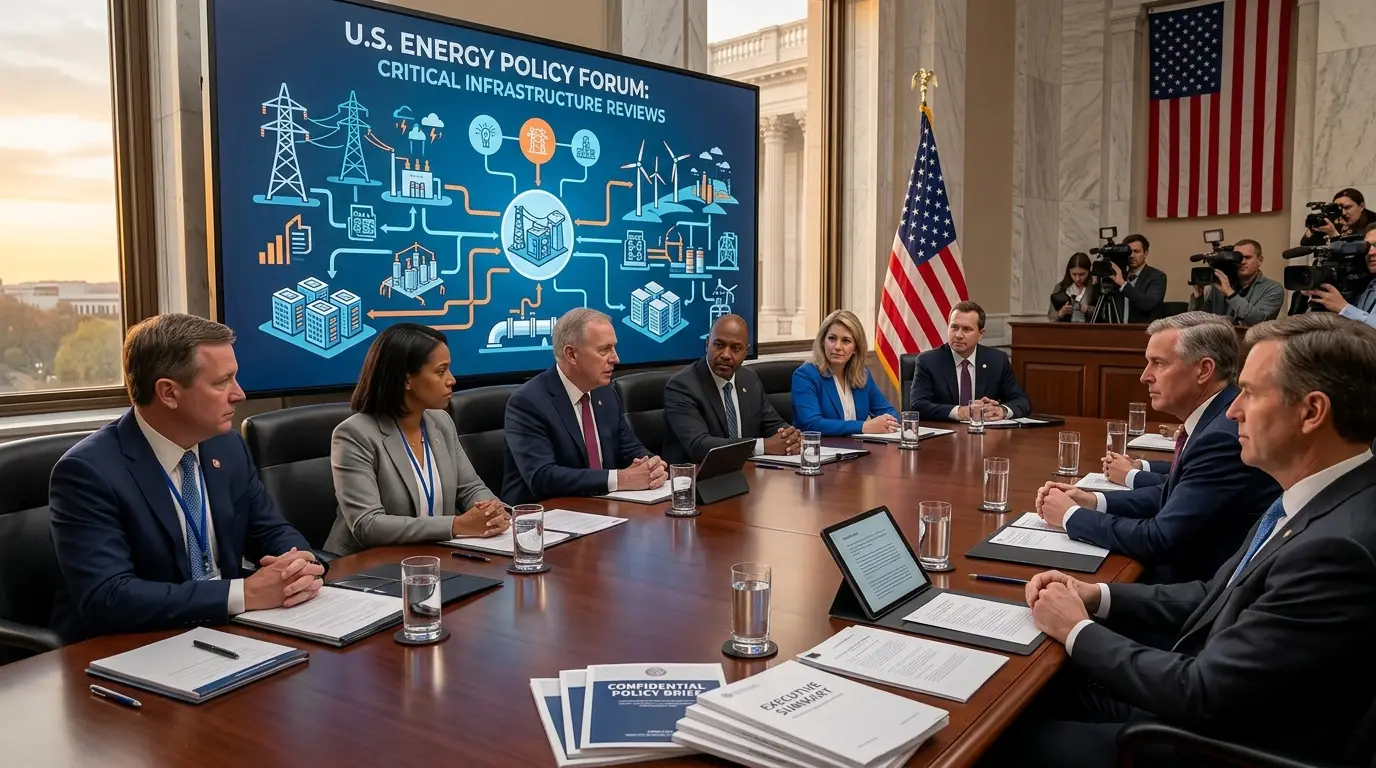
Looking ahead, the Democratic caucus has indicated plans to pursue formal inquiries and request briefings on operational details, intelligence, and legal interpretations. The objective is to evaluate both the immediate consequences of Maduro’s capture and the long-term implications for U.S. foreign policy, congressional authority, and adherence to international norms.