

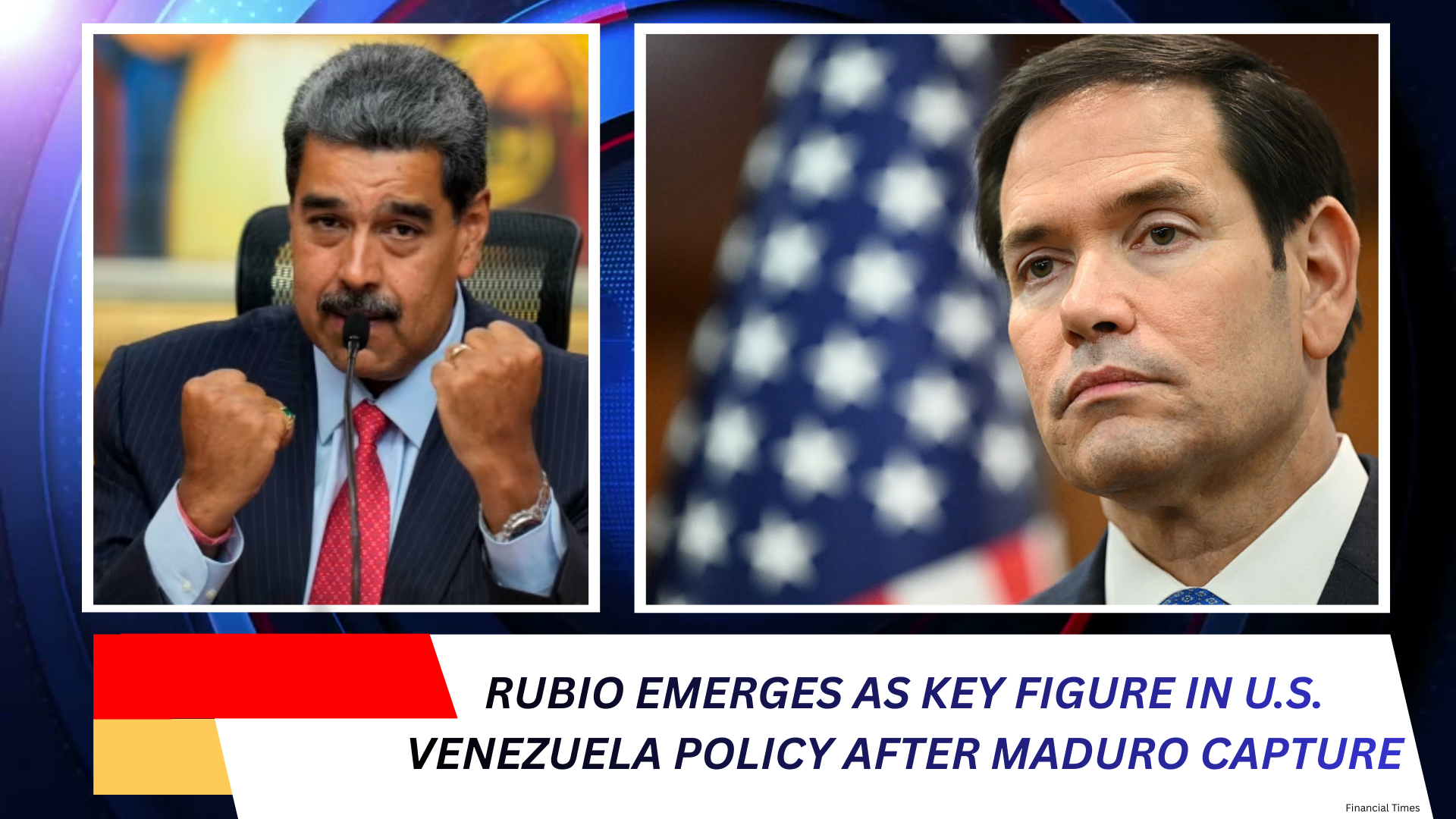


Senator Marco Rubio has assumed a prominent role in shaping U.S. policy toward Venezuela following the reported capture of President Nicolás Maduro in a U.S. military operation. His longstanding focus on Latin America and his vocal criticism of the Maduro government have positioned him at the center of strategic discussions as the United States navigates an unprecedented and controversial chapter in its relations with Caracas.
Rubio has defended the operation as lawful enforcement of existing indictments against Maduro for drug trafficking and related criminal conduct. He has argued that the removal of Maduro is necessary not only for accountability but also for restoring democratic norms in a country long beset by political repression and economic collapse. According to officials familiar with internal planning, Rubio has been actively involved in discussions on governance, economic recovery, and regional security.
With no immediate successor in place in Venezuela and uncertainty over political structures, Rubio’s role has expanded beyond diplomacy to include oversight of policy matters affecting U.S. engagement in the region. These responsibilities include coordination with Maduro’s vice president, consultation with neighboring governments, and advising U.S. agencies on sanctions, economic strategy, and reconstruction planning. Rubio’s experience and familiarity with Latin American politics, along with his language skills, have been cited as reasons for his central involvement.
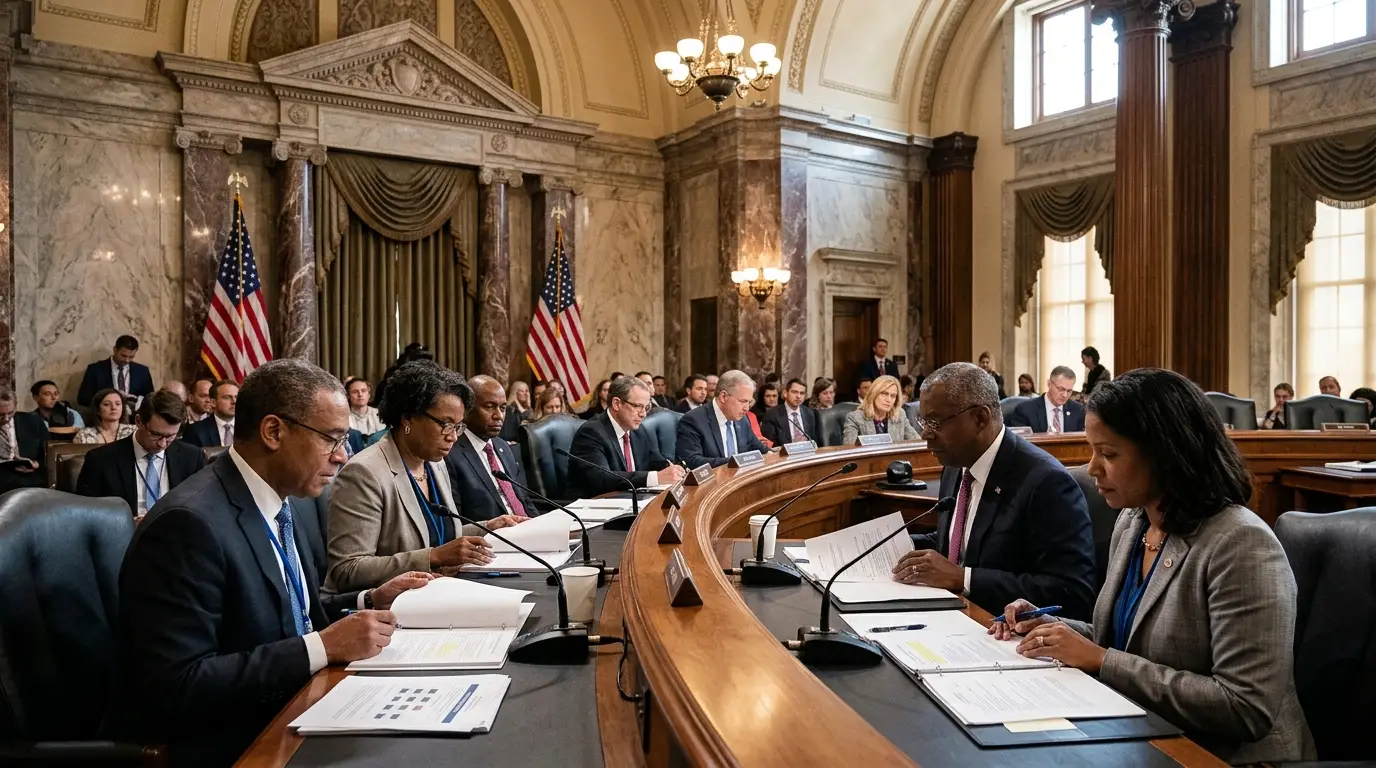
Critics have raised concerns about the concentration of influence in the hands of a single senator, emphasizing the need for congressional oversight in matters involving potential changes to foreign governance. Questions have been posed regarding whether proper authorization was sought for the military action and how U.S. involvement will be framed to comply with legal and constitutional norms. Some lawmakers stress that transparency and legislative review are essential when executive actions carry implications for sovereignty, international law, and regional stability.
Rubio’s involvement also intersects with regional perceptions. Many Latin American governments responded to the U.S. operation with criticism, highlighting the importance of sovereignty and preferring diplomatic solutions over military interventions. Officials note that Rubio’s guidance must be carefully calibrated to maintain dialogue and cooperation with regional partners while advancing U.S. policy objectives.
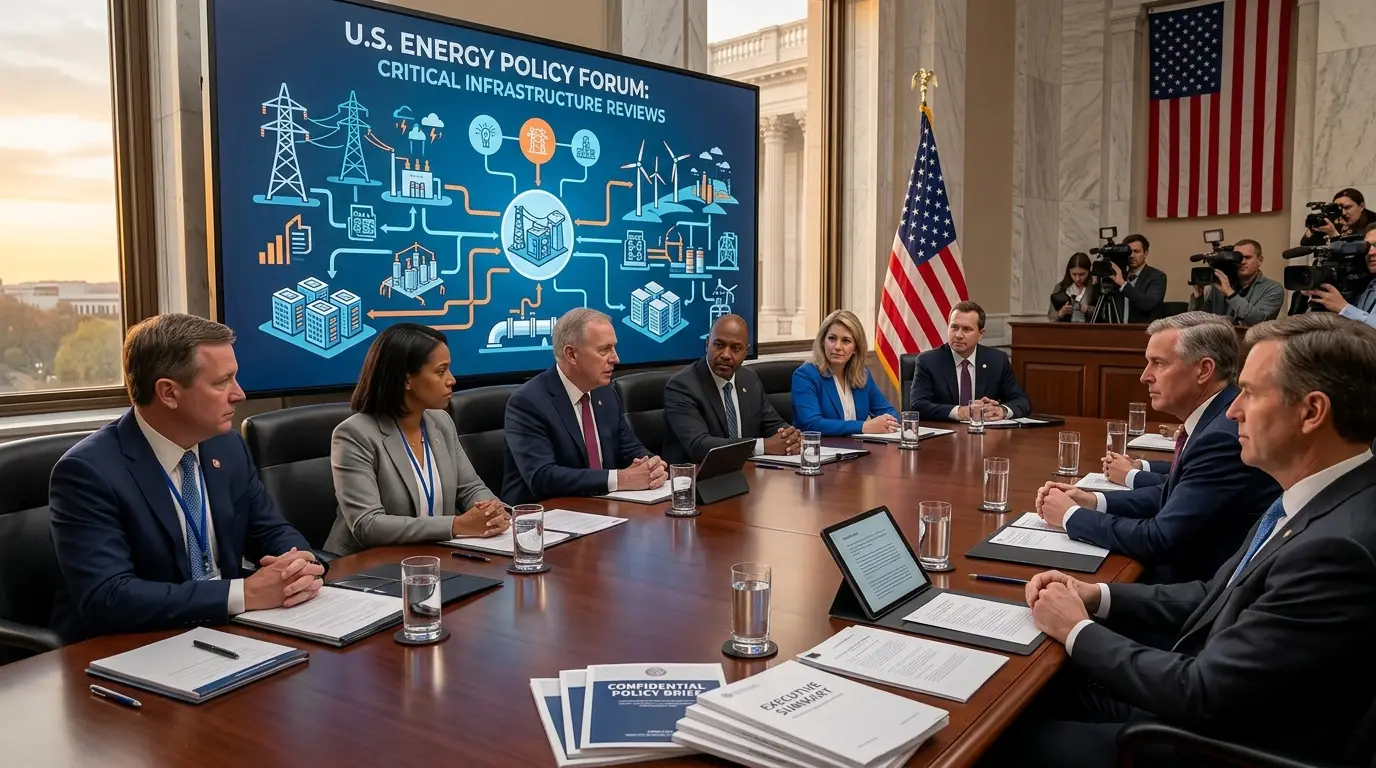
Economic considerations are also part of Rubio’s remit. Discussions surrounding Venezuela’s oil industry and broader infrastructure have been linked to strategic planning for stabilizing the country and fostering long-term engagement. Decisions about investment, oversight, and regulation will have lasting implications for U.S. involvement in Venezuela and the wider region.
Observers note that Rubio’s central role reflects both his long-standing advocacy on Venezuela and the extraordinary nature of the current situation. His influence will likely shape the balance between enforcing accountability, respecting international norms, and promoting stability in Latin America during the immediate aftermath of Maduro’s capture.