

.jpg)


Washington — With the cost of living remaining a central concern for American households, Republicans and Democrats are advancing competing approaches to address affordability. From housing and healthcare to groceries and energy, lawmakers in both parties agree that prices remain too high for many families. Where they differ is in diagnosis, prescription, and the role government should play in easing the burden.
The debate comes at a moment when inflation, while lower than its peak, continues to strain budgets. Wages have risen, but not uniformly. Housing costs remain elevated in many regions. Interest rates have made borrowing more expensive. For voters, affordability is not an abstract economic concept. It is a daily calculation.
Democrats have framed affordability primarily as a matter of investment, regulation, and targeted relief. Their proposals emphasize expanding government programs, increasing subsidies, and strengthening consumer protections. The party argues that markets alone have failed to deliver affordable essentials and that federal action is necessary to restore balance.
Among Democratic priorities is housing. Lawmakers have called for increased federal funding for affordable housing construction, tax credits for developers who build lower-cost units, and expanded rental assistance. They also support zoning reform incentives aimed at encouraging local governments to allow denser housing development. The argument is straightforward: supply has not kept pace with demand, and public investment can help close the gap.
Healthcare is another focal point. Democrats continue to promote policies that would lower prescription drug prices, expand insurance coverage, and reduce out-of-pocket costs. Measures include allowing Medicare to negotiate drug prices, capping insulin costs, and extending subsidies for marketplace insurance plans. Supporters say these steps directly address household expenses while improving health outcomes.
On energy and food costs, Democrats point to investments in clean energy and infrastructure as long-term affordability strategies. They argue that reducing dependence on volatile global energy markets will stabilize prices over time. Short-term relief, they contend, comes from targeted tax credits and assistance programs for lower- and middle-income households.
Republicans, by contrast, place greater emphasis on inflation control, deregulation, and economic growth. They argue that government spending and regulatory burdens have contributed to higher prices and that affordability will improve only if markets are allowed to function more freely.
Central to the Republican approach is fiscal restraint. Lawmakers warn that expansive federal programs risk fueling inflation and increasing deficits. They advocate for reducing federal spending, reforming entitlement programs, and avoiding new large-scale subsidies. From this perspective, affordability is best achieved by stabilizing the broader economy rather than targeting individual prices.
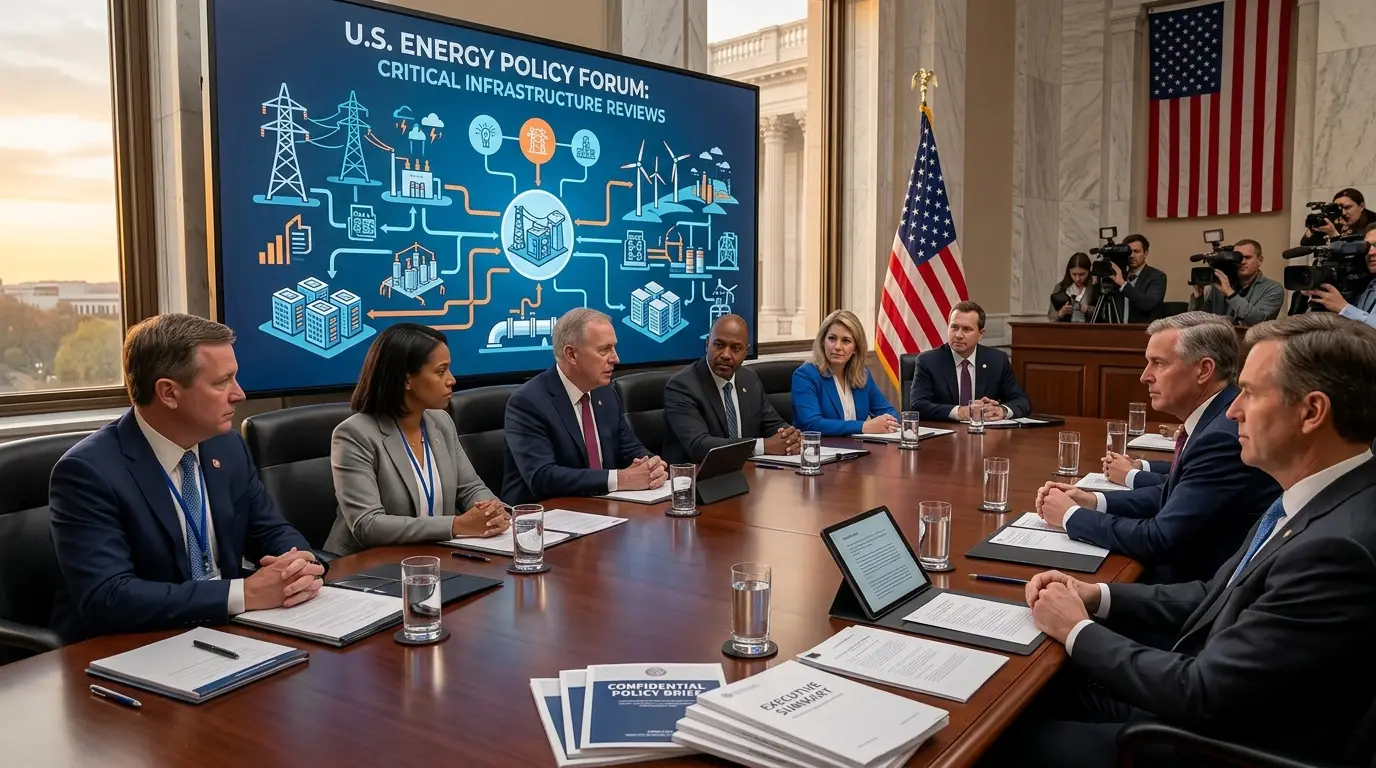
Republicans also focus heavily on energy policy. They argue that expanding domestic oil, gas, and nuclear production would lower energy costs across the economy, from transportation to manufacturing. Lower energy prices, they contend, would ripple through supply chains and reduce costs for consumers.
In housing, Republicans emphasize regulatory reform rather than federal spending. They point to local zoning laws, environmental reviews, and permitting delays as major contributors to high housing costs. Their proposals often focus on incentivizing states and cities to streamline regulations, reduce construction barriers, and encourage private-sector development without heavy federal involvement.
Tax policy is another dividing line. Republicans argue that lowering taxes, particularly for businesses and working families, would increase disposable income and spur investment. Democrats counter that tax cuts alone do little to address structural cost pressures and can disproportionately benefit higher earners.
Despite sharp differences, there is limited overlap. Both parties acknowledge that housing supply is constrained and that regulatory complexity plays a role. There is bipartisan interest in modest zoning reforms, workforce development for construction trades, and reducing unnecessary permitting delays. Similarly, both sides recognize that childcare costs are a significant barrier to workforce participation, though they disagree on solutions.
Critics of both approaches raise concerns. Progressive voices argue that Democratic proposals do not go far enough to address corporate concentration and pricing power. Conservative critics warn that Republican plans underestimate the challenges faced by lower-income households and rely too heavily on market corrections that may take years to materialize.
Economists caution that no single policy will resolve affordability pressures quickly. Housing takes time to build. Healthcare systems are complex. Energy markets respond to global forces beyond domestic control. Trade-offs are inevitable. Expanding subsidies can provide relief but carries fiscal costs. Deregulation can increase supply but may raise concerns about quality, safety, or environmental impact.
The political stakes are significant. Affordability consistently ranks among voters’ top concerns, cutting across partisan lines. Both parties are aware that credibility on the issue depends not just on rhetoric but on tangible results. The challenge is delivering relief without creating new distortions or long-term vulnerabilities.
From an institutional standpoint, the debate reflects enduring differences in governing philosophy. Democrats tend to see government as an active manager of economic outcomes, particularly when markets fall short. Republicans view government intervention as a potential source of inefficiency and inflation, preferring policies that emphasize growth, competition, and individual choice.
As Congress considers these proposals, progress is likely to be incremental. Major overhauls face political and procedural hurdles. Smaller measures, pilot programs, and targeted reforms may offer the most realistic path forward in the near term.
For Americans navigating high prices, the debate may feel distant. But the direction policymakers choose will shape the economic landscape for years to come. Affordability is not just a campaign issue. It is a test of whether institutions can adapt to changing economic realities while maintaining stability and trust.
The outcome remains uncertain. What is clear is that both parties recognize the urgency of the problem. How they choose to address it will reflect not only their policy preferences, but their broader vision of government’s role in American life.