

.png)


Washington — President Donald Trump has signed the National Defense Authorization Act (NDAA) into law, authorizing funding and policy direction for the U.S. military for the coming fiscal year. The legislation, passed by Congress with bipartisan support, outlines priorities for national defense, military readiness, and strategic competition amid an evolving global security environment.
The NDAA sets funding levels for the Department of Defense and related national security programs. It includes provisions affecting troop pay, military procurement, force posture, and modernization efforts across all branches of the armed services. As in past years, the bill also addresses emerging threats, including cyber warfare, space security, and challenges posed by near-peer competitors.
Context and Legislative Background
The National Defense Authorization Act has been enacted annually for more than six decades and is widely regarded as one of Congress’s core responsibilities. While budget negotiations in Washington are often contentious, the NDAA has traditionally drawn support from both parties as a means of providing stability and continuity for the armed forces.
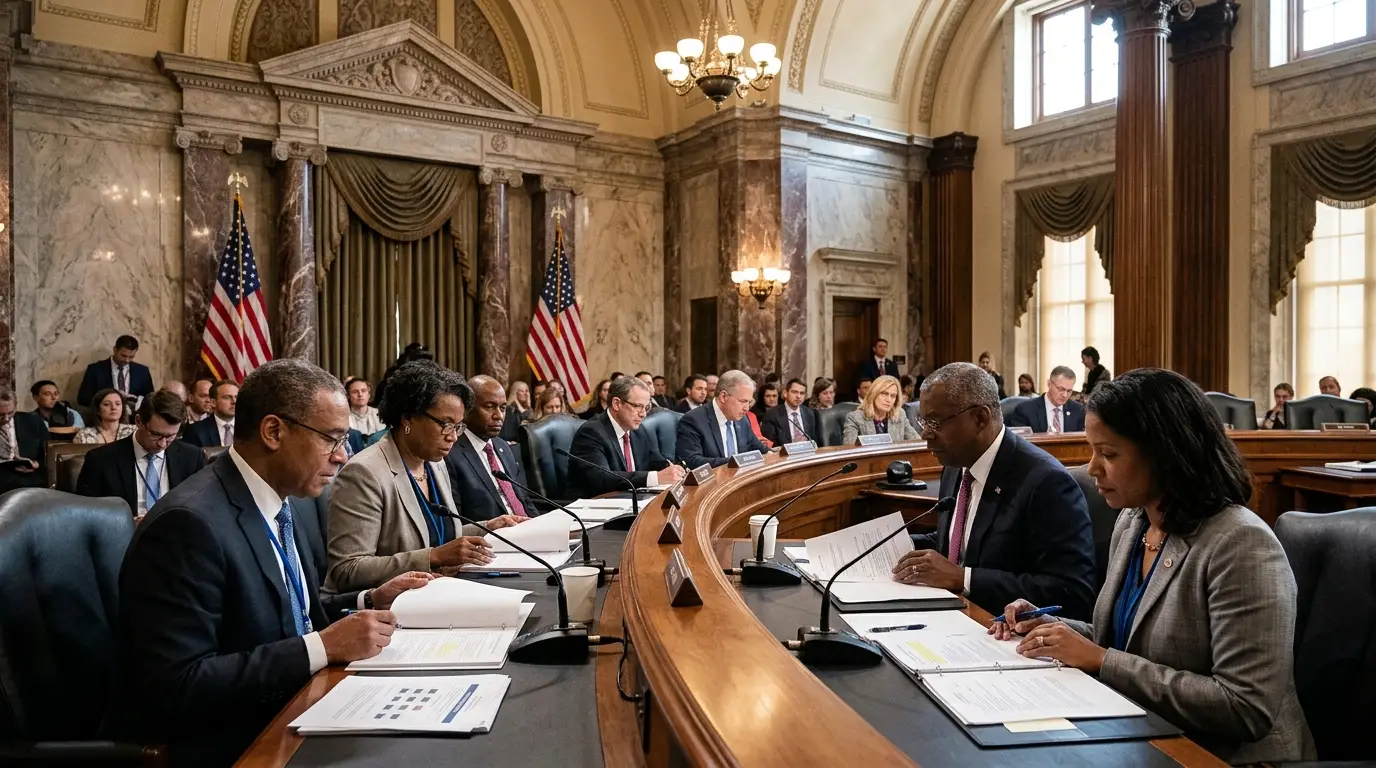
This year’s bill cleared Congress following months of debate and committee negotiations. Lawmakers weighed competing priorities, including military modernization, personnel support, and fiscal discipline. The final legislation reflects compromises intended to balance readiness needs with long-term strategic planning.
Key Provisions and Priorities
Among its provisions, the NDAA authorizes a pay increase for service members, aimed at addressing retention challenges and the rising cost of living. It also funds continued investment in weapons systems, shipbuilding, aircraft procurement, and missile defense, while supporting research into advanced technologies such as artificial intelligence and hypersonic weapons.
The legislation includes measures to strengthen oversight of defense spending and improve accountability within the Pentagon. It also outlines policies related to military housing, healthcare access, and support for military families, areas that have drawn increased attention in recent years.
Presidential and Pentagon Perspective
In signing the bill, President Trump emphasized the importance of maintaining a strong and capable military, citing the need to deter adversaries and reassure allies. Administration officials described the legislation as a reaffirmation of the United States’ commitment to national defense and global stability.
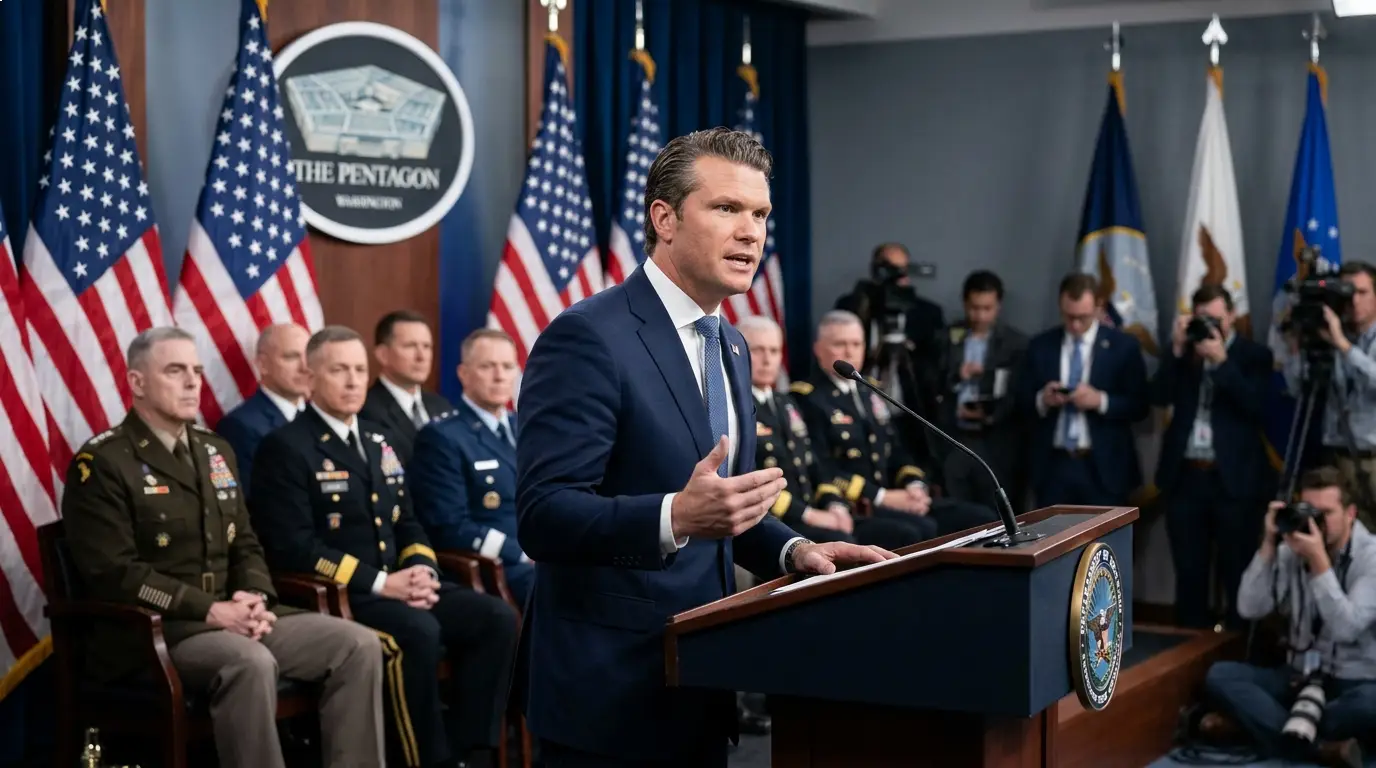
Defense Department leaders welcomed the bill’s passage, noting that predictable funding allows for more effective planning and execution. Military officials have consistently argued that uncertainty in defense budgeting can undermine readiness and strain personnel.
Debate and Criticism
While the NDAA passed with broad support, it was not without criticism. Some lawmakers expressed concern about overall spending levels and long-term fiscal sustainability. Others raised objections to specific policy provisions, arguing that certain measures either went too far or did not go far enough in addressing emerging threats or internal reforms.
Civil liberties groups and policy analysts also scrutinized sections of the bill related to surveillance, military authority, and overseas deployments, reflecting ongoing debates about the appropriate scope of U.S. military power.
Measured Perspective
The passage of the NDAA underscores the central role of national defense in American governance. It reflects an effort to provide continuity for the armed forces while adapting to new strategic realities. At the same time, it highlights the challenge of balancing security needs with fiscal responsibility and democratic oversight.
As the new fiscal year approaches, implementation of the law will shift from Capitol Hill to the Pentagon, where defense leaders will translate congressional authorization into operational decisions. Lawmakers have signaled that oversight will continue, ensuring that the priorities outlined in the NDAA are carried out as intended.
Forward Outlook
With the NDAA now law, attention will turn to how effectively its provisions address readiness, modernization, and personnel needs. Future debates are likely to focus on sustaining bipartisan cooperation on defense policy while adapting to a rapidly changing global landscape.