

.jpg)


Raleigh, North Carolina — Michael Whatley, a rising figure in North Carolina Republican politics, has positioned himself closely with former President Donald Trump as he begins his campaign for the U.S. Senate. Entering a competitive race in a state considered pivotal in national elections, Whatley’s strategy underscores the enduring influence of Trump’s political brand within the Republican Party and highlights the dynamics shaping early Senate contests across the country.
Whatley, currently serving in state-level political roles, filed the necessary paperwork to formally launch his Senate bid, signaling his intent to compete for a seat that has drawn national attention. North Carolina, with its mix of urban centers, suburban communities, and rural areas, is often considered a bellwether state. The race carries implications for control of the U.S. Senate and is likely to attract substantial outside spending, media attention, and strategic intervention from both parties.
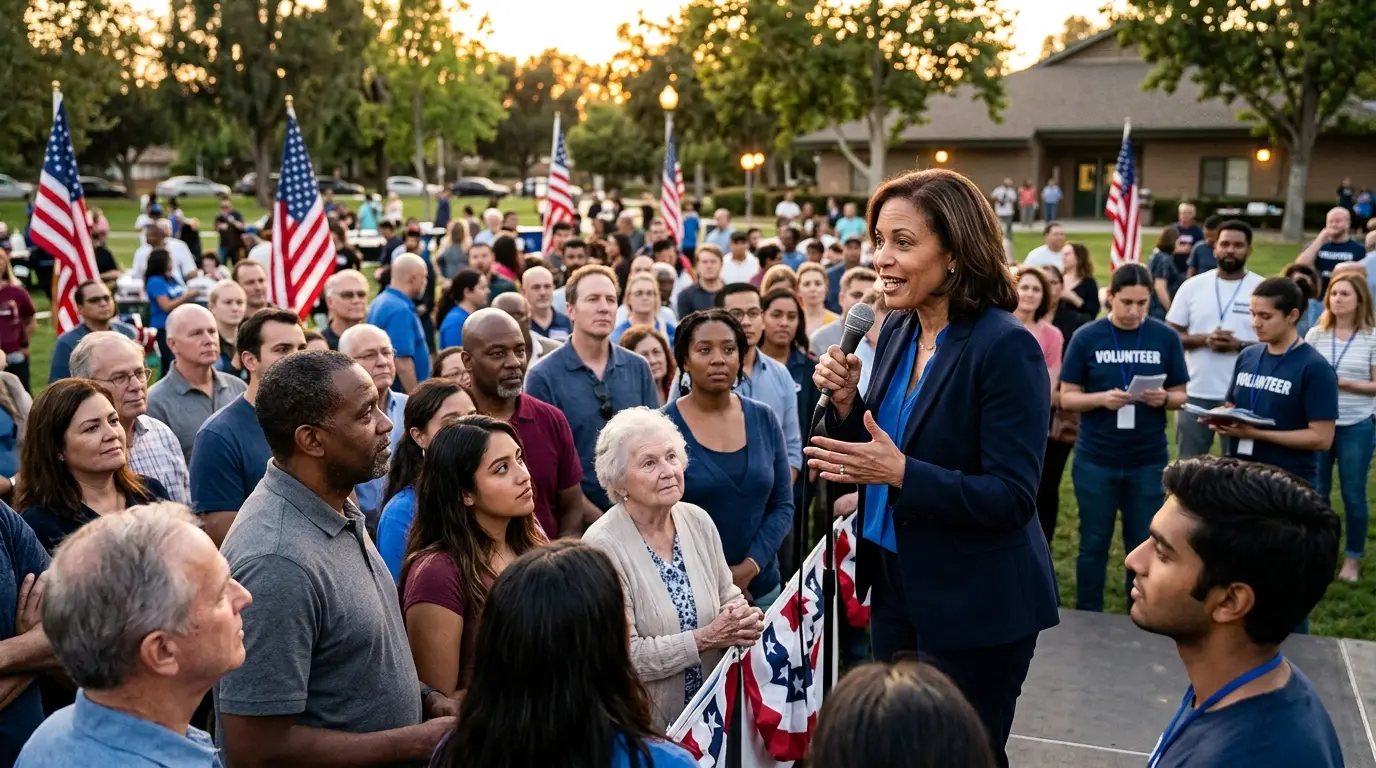
From the outset, Whatley has aligned himself with Trump’s political positions and rhetoric, framing his campaign around themes emphasized during Trump’s tenure in the White House. These include immigration enforcement, economic growth through deregulation, tax policy, and a firm stance on cultural and social issues that resonate with the party’s base. In speeches and public appearances, Whatley has highlighted his support for Trump-endorsed candidates and policies, signaling to voters that he identifies with the former president’s approach to governance.
Campaign analysts note that Whatley’s early embrace of Trump is a calculated move. In Republican primaries, endorsement signals and alignment with the former president can confer significant advantages in fundraising, media coverage, and grassroots mobilization. Trump’s continued popularity among a substantial portion of the GOP electorate in North Carolina suggests that candidates seeking his backing may benefit from name recognition and credibility within key voter segments.
At the same time, the strategy carries risks. North Carolina’s electorate is diverse, and general election voters — particularly moderates and independents — may view strong allegiance to Trump differently than primary voters. Candidates in the state must balance appeals to the party’s base with messaging that can resonate with swing voters in a general election, a tension that Whatley and his campaign team will need to manage carefully in the months ahead.
Whatley’s platform emphasizes economic and regulatory issues central to North Carolina’s interests. He has outlined plans to support small businesses, reduce bureaucratic hurdles, and encourage investment in the state’s key industries, including technology, manufacturing, and agriculture. In conjunction with his alignment with Trump, these policy positions aim to position him as both a loyal Republican and a candidate with concrete proposals for local economic growth.
Early polling in the state suggests that Republican primary voters are attentive to Trump’s influence but also weigh experience, local engagement, and perceived electability. Whatley’s campaign is leveraging his political background, local connections, and media presence to build recognition ahead of the primary calendar. The candidate has emphasized that his approach combines adherence to national Republican principles with responsiveness to North Carolina-specific concerns, from infrastructure projects to educational initiatives.
Observers note that the Senate race in North Carolina is already attracting national attention and resources. Republican organizations, political action committees, and advocacy groups are closely monitoring the field, assessing candidates’ fundraising capabilities, grassroots support, and alignment with key policy priorities. Whatley’s visible association with Trump positions him to potentially secure early endorsements, media coverage, and strategic assistance from national Republican networks.
Critics, however, caution that tying oneself too closely to a single political figure can limit flexibility and may alienate some segments of the broader electorate. Opponents could frame Whatley’s alignment with Trump as prioritizing national partisan politics over local issues, a narrative that may gain traction in general election debates. Campaign strategy will need to balance strong base support with outreach to undecided and moderate voters.
Historical context underscores the stakes. North Carolina has been a closely contested state in recent federal elections, with narrow margins deciding outcomes in presidential, Senate, and House races. Candidates’ ability to appeal both to partisan loyalists and to persuadable voters has been decisive. Whatley’s early alignment with Trump indicates a calculated prioritization of primary success while signaling to general election voters that he stands firmly within the modern Republican coalition.
The early stages of the campaign include fundraising efforts, public appearances, and digital outreach. Whatley’s team has begun to cultivate grassroots networks and build relationships with local party officials, aiming to establish a foundation that can sustain a competitive primary and, potentially, a general election campaign. Messaging, advertising, and debate preparation will be critical as the race develops.
As the campaign unfolds, Whatley’s alignment with Trump will likely continue to shape the discourse, both in the primary and as the general election approaches. Observers will be watching how voters respond to a candidate who blends loyalty to a national political figure with promises of local governance and economic focus.
Ultimately, Michael Whatley’s early positioning reflects both the enduring influence of former President Trump in Republican politics and the strategic calculations candidates make in key battleground states. North Carolina’s Senate race is emerging as a critical contest that will test the resonance of Trump-aligned messaging alongside traditional policy and local engagement strategies.