

.png)


As the calendar turns to 2026, President Donald Trump enters a pivotal year in his political career, confronting a range of challenges that could shape both his administration and the broader Republican Party. After nearly two years back in the White House, Trump faces a landscape marked by complex economic, legislative, and geopolitical pressures. Analysts suggest that the year ahead will be crucial for solidifying his agenda, maintaining party cohesion, and navigating growing scrutiny from both allies and critics.
Economically, the president is grappling with mixed signals. Inflation, while somewhat moderated compared with previous years, remains a concern for households across the country, and interest rates continue to influence borrowing costs for businesses and consumers. Trump’s administration has sought to position itself as a champion of economic growth, touting stock market performance, job creation, and business investment as evidence of progress. Yet critics argue that rising costs of living, energy price volatility, and global supply chain challenges present ongoing obstacles to sustained economic confidence among voters.
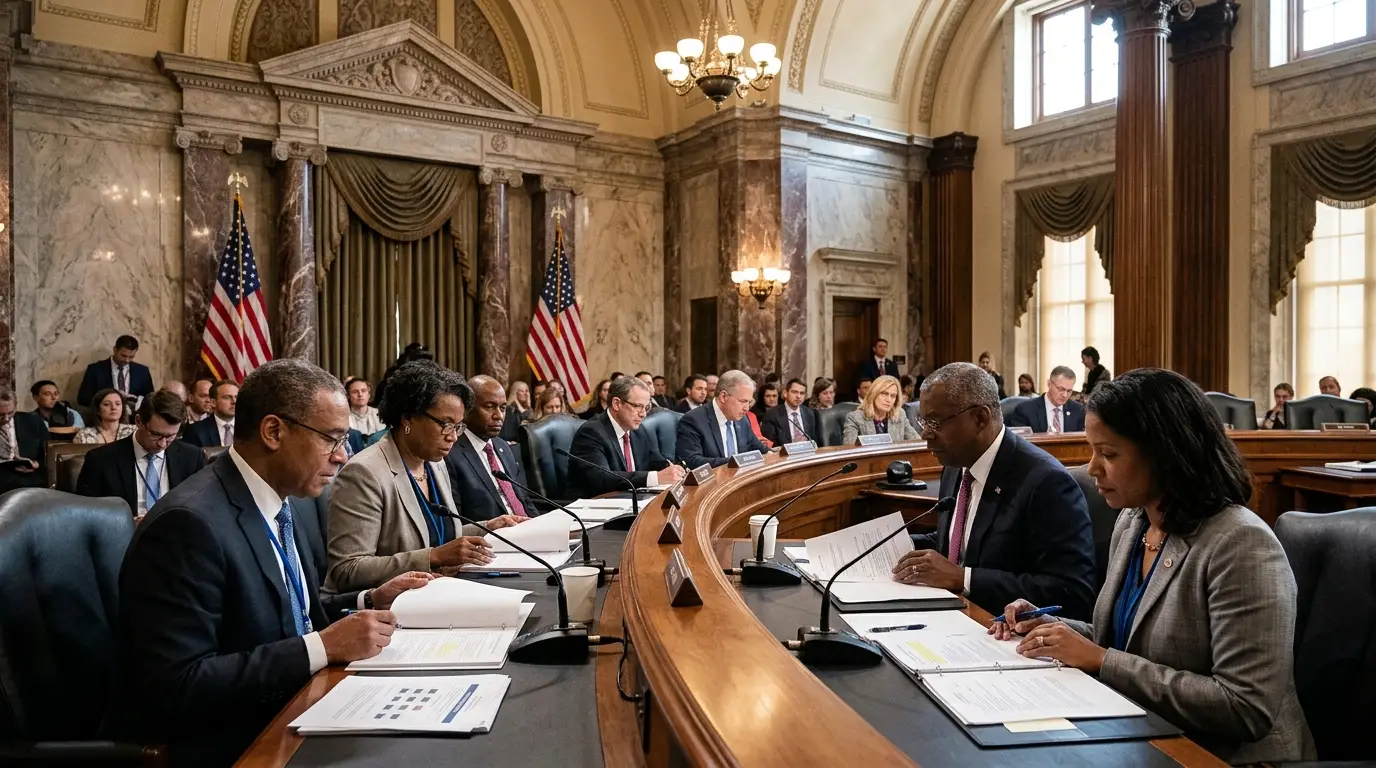
Legislatively, Trump must manage relationships with Congress, where Republicans hold majorities in one or both chambers but face internal divisions over priorities and strategies. Key initiatives, such as adjustments to tax policy, social spending programs, and infrastructure projects, require negotiation with lawmakers whose perspectives are not always aligned with the president’s agenda. Additionally, contentious debates over immigration policy, healthcare, and environmental regulation are expected to dominate congressional activity, forcing Trump to balance political messaging with practical governance.
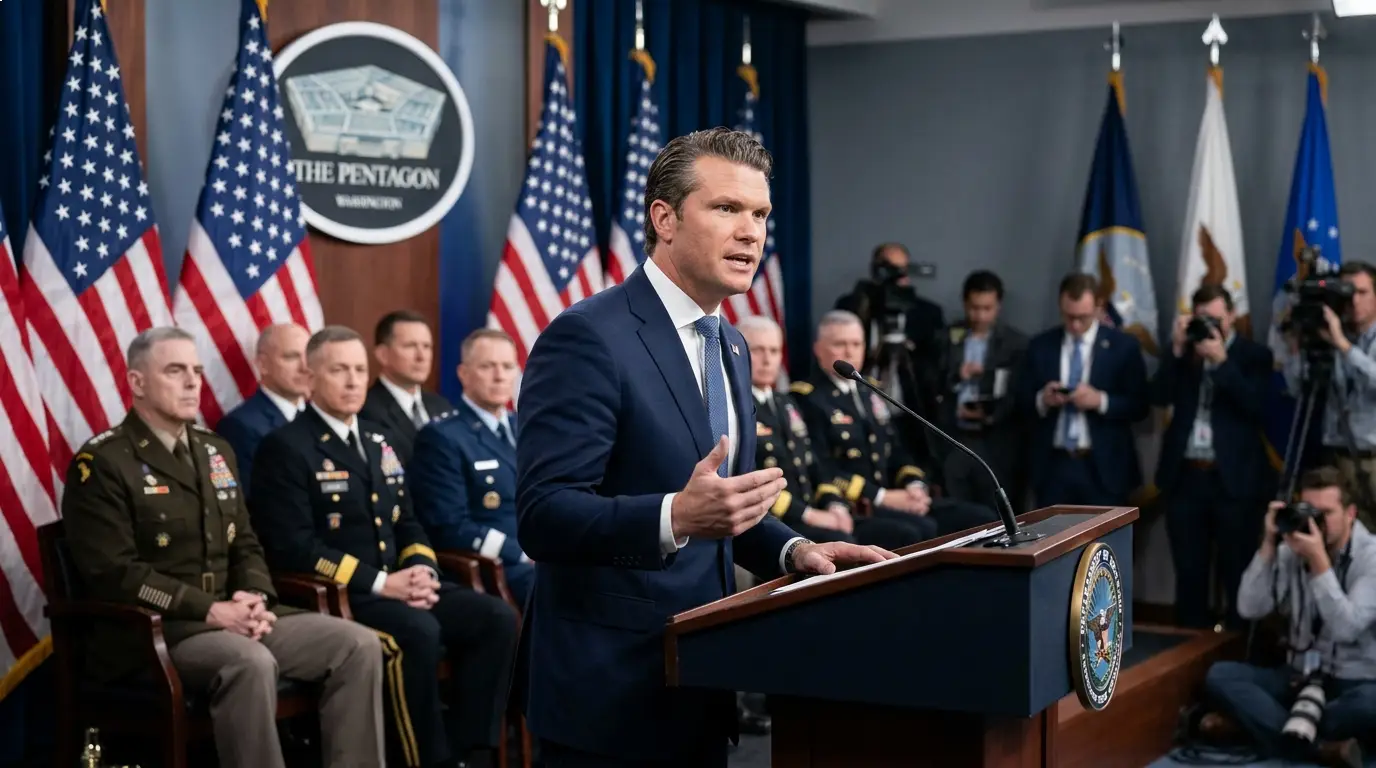
Internationally, the president confronts a dynamic geopolitical environment. Ongoing tensions in Eastern Europe, the Middle East, and Asia demand attention to foreign policy, military strategy, and diplomatic engagement. Trump has sought to present himself as a strong leader on global affairs, emphasizing a blend of assertive negotiation and protection of American interests. However, critics point to challenges in alliances, trade negotiations, and security partnerships that require careful management to avoid setbacks. The administration’s handling of these international issues will likely influence public perception and shape policy priorities throughout the year.
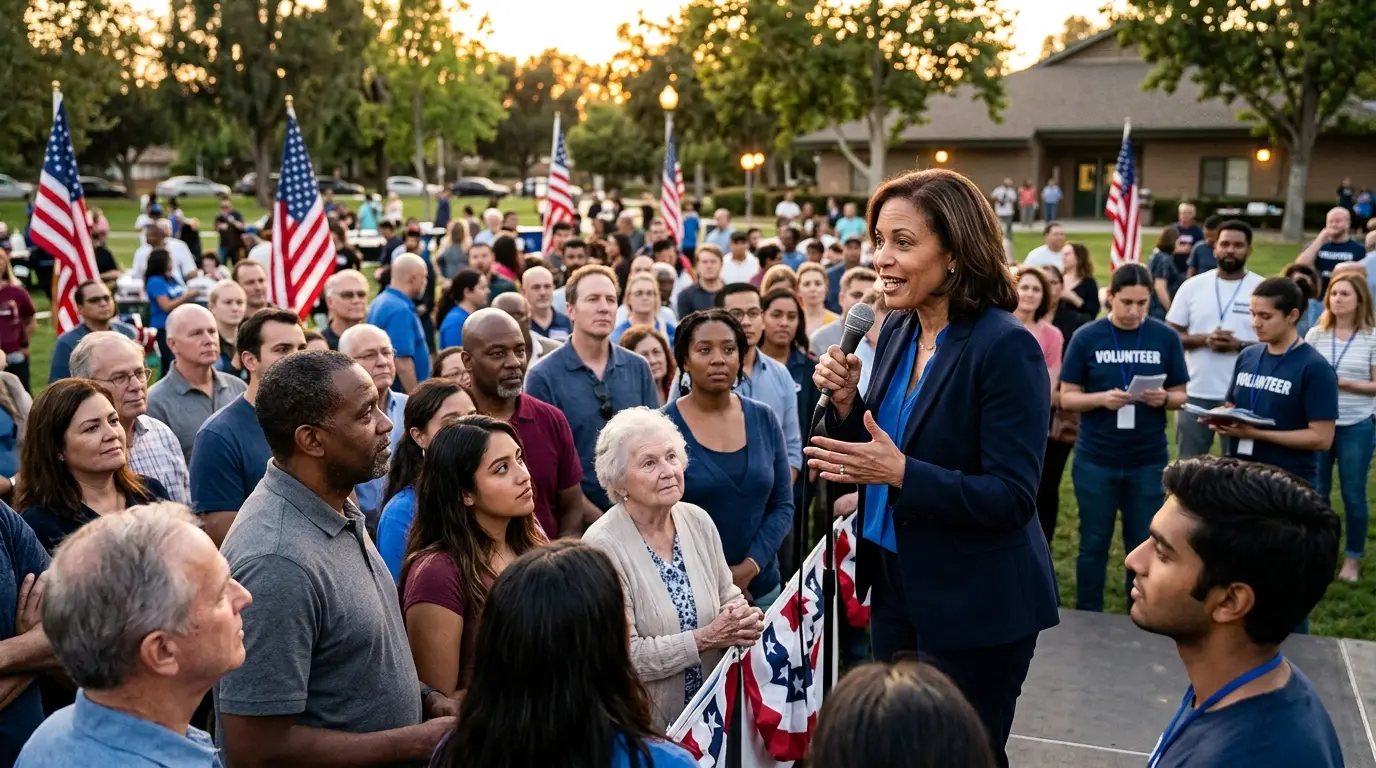
One of the most significant political factors shaping 2026 is the midterm and state-level election cycle, which will test Trump’s influence within the Republican Party. Candidates aligned with his agenda and endorsements will face scrutiny from both opponents and voters, and the results of these races could signal the strength of his political base. Trump’s involvement in campaign activities, fundraising, and endorsements is expected to be a key factor in determining electoral outcomes and consolidating his position as a central figure in the party’s direction.
Public perception remains another critical area for the president. Approval ratings provide a snapshot of voter sentiment and are closely watched by both supporters and critics. Trump has emphasized achievements in economic growth, national security, and deregulation to bolster his standing, while opponents highlight ongoing controversies, legal challenges, and governance issues. Managing communications, media engagement, and public appearances will be essential for reinforcing his narrative and maintaining support among constituents.
Legal and investigative matters also loom over the president’s year ahead. Various inquiries and court proceedings related to prior actions, campaign activities, and administrative decisions continue to draw attention. While Trump and his legal team maintain positions of defense and challenge, the unfolding of these matters could impact political strategy, messaging, and public confidence. The president’s ability to navigate these complexities will likely influence both short-term and long-term political calculations.
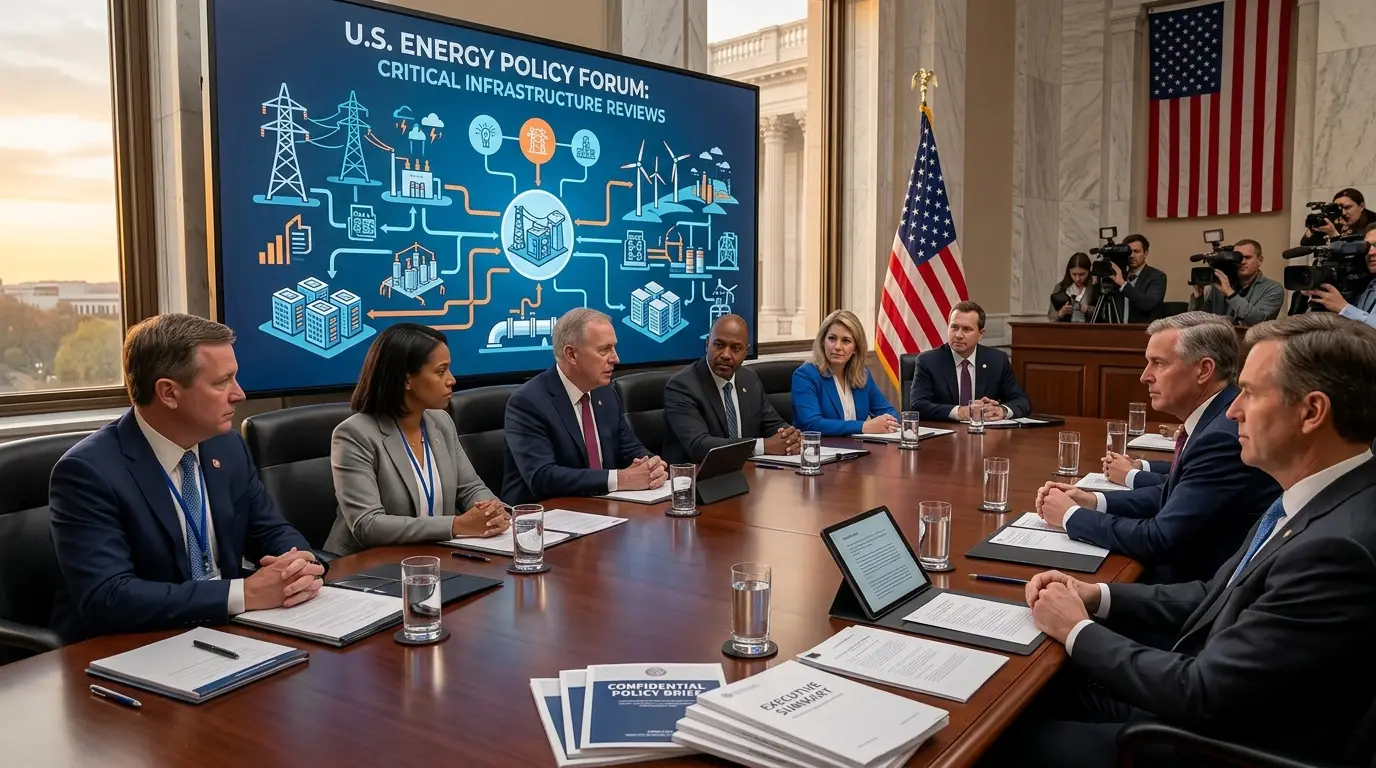
Policy priorities for 2026 are expected to include a continued focus on domestic economic development, healthcare reform, and infrastructure investment. Efforts to secure supply chains, enhance energy independence, and support technological innovation are also expected to feature prominently in the administration’s agenda. Trump has indicated a desire to showcase legislative and executive accomplishments, signaling that policy achievements will be central to shaping public perception in a politically competitive environment.
The year ahead will also test the president’s capacity to unify a party with diverse constituencies and priorities. Balancing the interests of traditional conservatives, populist factions, and moderates within the Republican coalition will be critical for legislative success and electoral outcomes. Trump’s leadership style, messaging strategy, and ability to mediate internal differences will play an essential role in determining whether the party can present a cohesive vision to voters.
In sum, 2026 represents a high-stakes year for President Donald Trump. Between economic pressures, legislative negotiations, foreign policy complexities, electoral considerations, public perception, and ongoing legal matters, the president faces a multifaceted set of challenges. How he navigates these issues will shape the trajectory of his administration, influence the Republican Party’s strategy, and potentially impact the political landscape leading into subsequent election cycles. Observers will be watching closely to see whether Trump can leverage his experience and political capital to achieve key objectives while managing risks and sustaining support.