



GENEVA — United Nations officials are warning that humanitarian organizations face growing pressure as conflicts, displacement and food insecurity continue affecting communities across several regions.
Aid agencies are seeking additional funding as demand for emergency assistance rises.
Humanitarian Needs Continue to Expand
Conflicts in the Middle East, Africa and Ukraine have displaced millions of people.
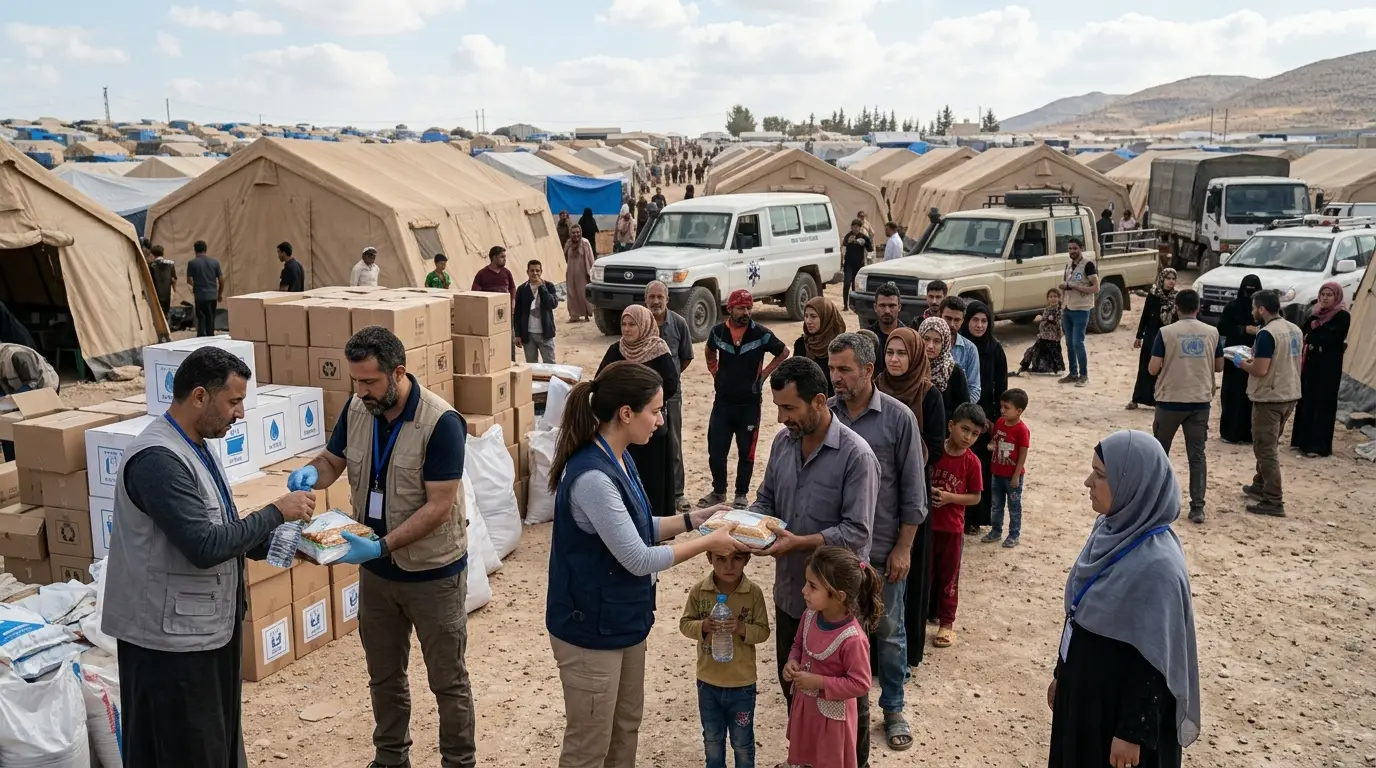
Humanitarian organizations are providing food, healthcare, shelter and emergency services.
However, funding shortages have made it difficult for aid agencies to maintain programs.
The situation is particularly challenging in countries where infrastructure has been damaged by prolonged fighting.
Hospitals and schools can become difficult to operate, while supply routes may be disrupted.
Displacement creates additional pressure on neighboring countries.
Refugees often require temporary housing, education and medical care.
International organizations rely heavily on contributions from governments and private donors.
Economic uncertainty in wealthy countries has made fundraising more difficult.
Aid agencies are therefore attempting to prioritize the most urgent programs.
Food security is another major concern.
Conflict can disrupt agriculture and food distribution, increasing prices and creating shortages.
Climate-related disasters can further complicate the situation.
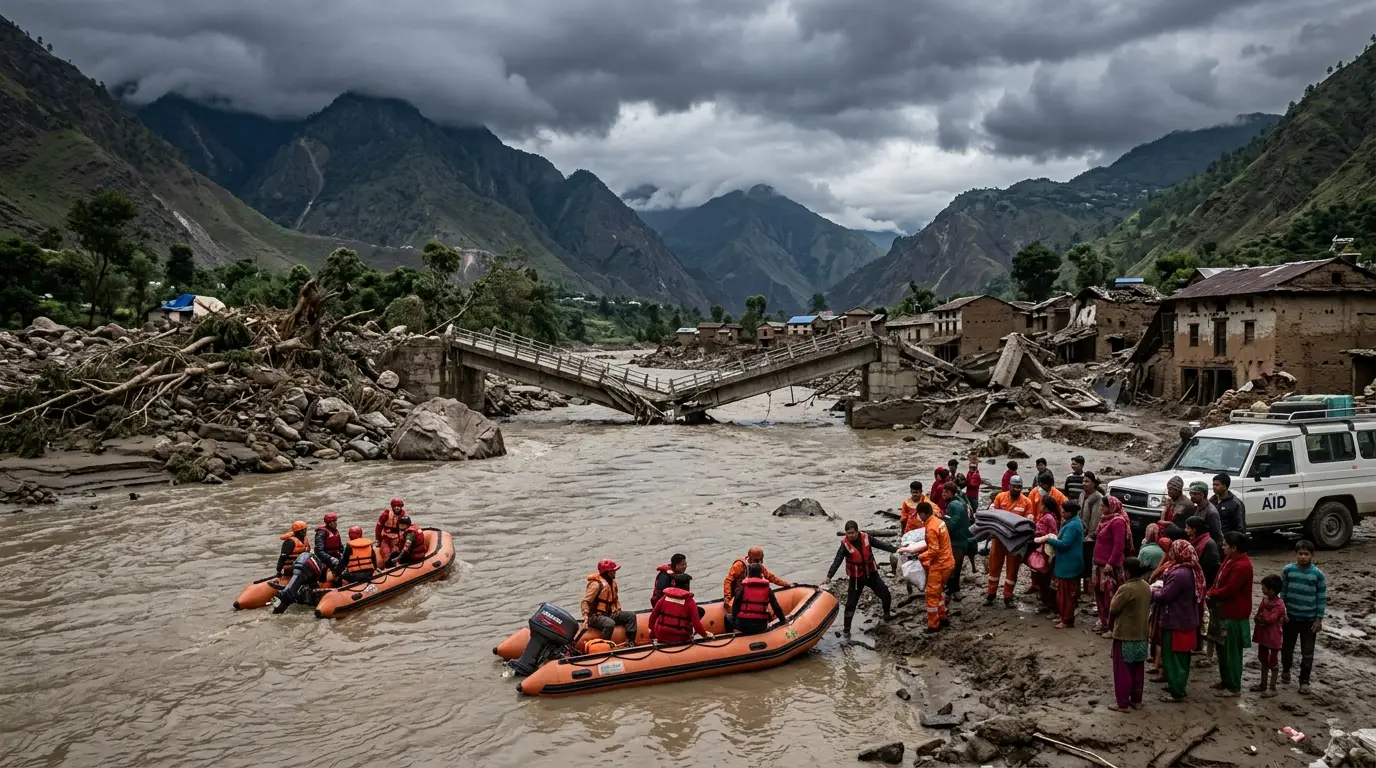
Floods, droughts and extreme weather can affect communities already weakened by conflict.
The United Nations has called for greater international cooperation and increased humanitarian funding.
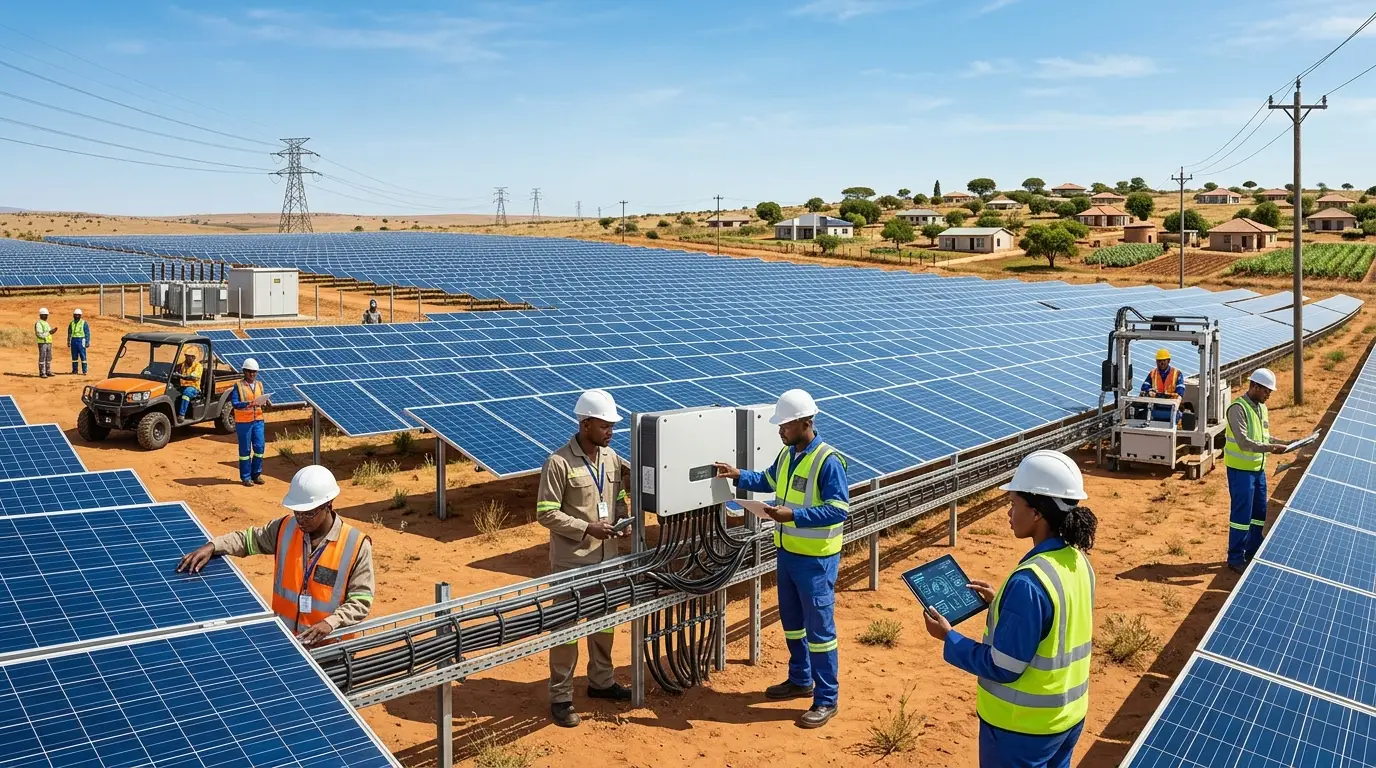
The organization says that preventing humanitarian crises from becoming permanent requires both emergency assistance and long-term investment.
The coming months will determine whether governments can close some of the funding gaps facing international relief organizations.