



GENEVA — Global food markets are facing renewed pressure as extreme weather, transportation disruptions and higher production costs create uncertainty for farmers and consumers.
Agricultural markets remain highly sensitive to disruptions in major producing regions.
Food Security Remains Global Concern
Droughts and extreme heat can reduce crop yields in major agricultural regions.
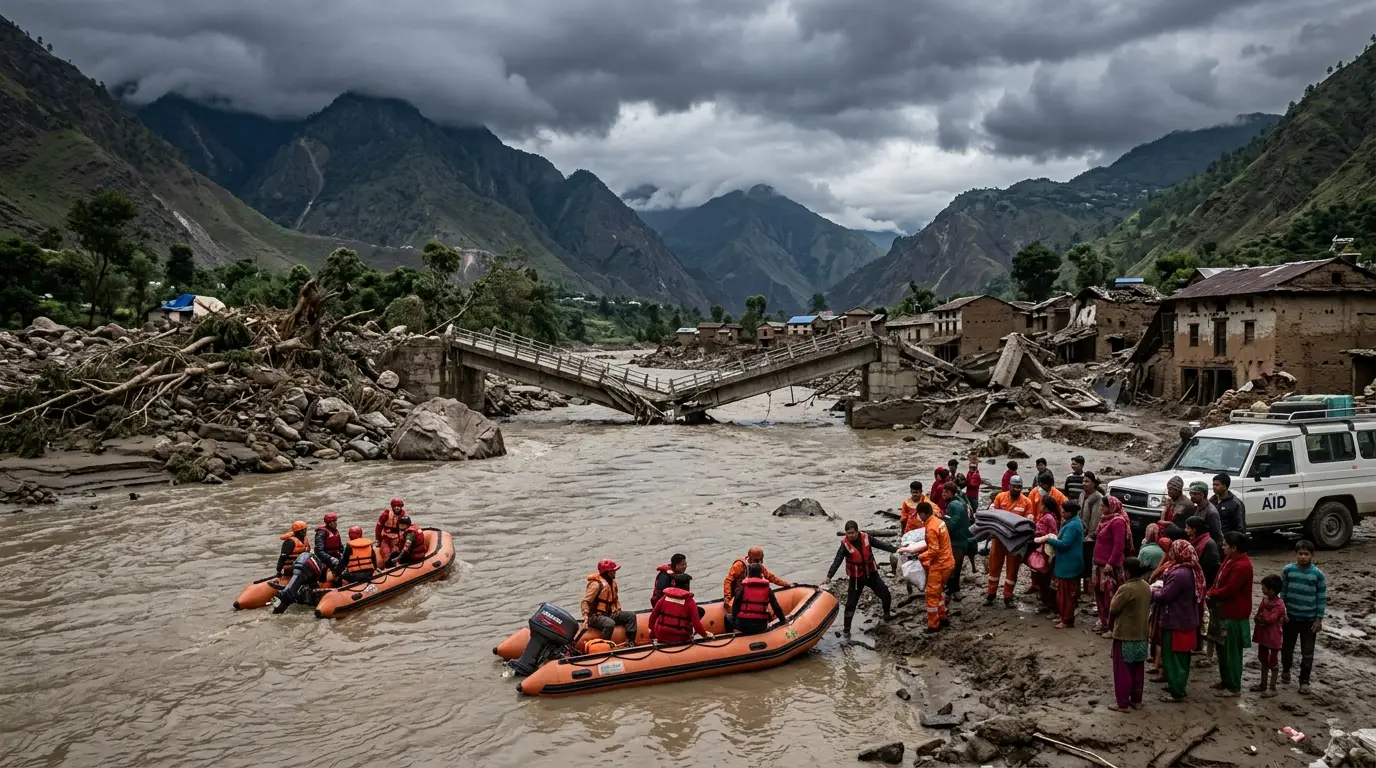
Flooding can also damage farmland and transportation infrastructure.
When production falls, international prices can rise quickly.
Transportation problems can add another layer of pressure.
Delays at ports or disruptions along major shipping routes can make it more expensive to move grain, fertilizer and other agricultural products.
Farmers are also dealing with higher costs for equipment, fuel and fertilizer.
Those expenses can eventually affect food prices.
Governments are therefore monitoring food markets closely.
Some countries maintain strategic reserves of grains and other essential commodities.
International organizations are also working to improve agricultural resilience.
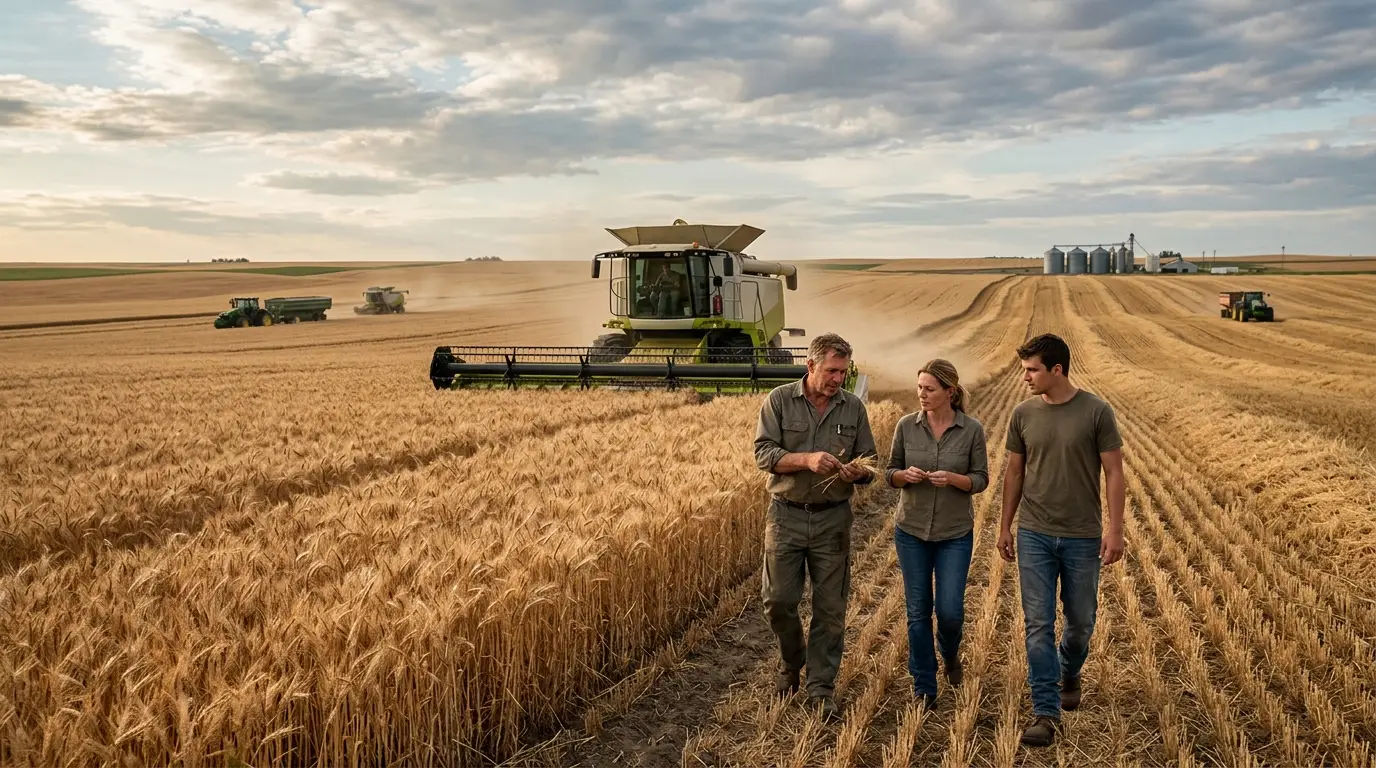
Farmers are increasingly adopting technology designed to reduce water use and improve crop yields.
Satellite monitoring, precision agriculture and drought-resistant crops are becoming more important.
The global food system remains interconnected.
A poor harvest in one major producing region can affect prices in countries thousands of miles away.
For consumers, the result can appear as higher grocery bills.
For governments, food security is both an economic and political issue.