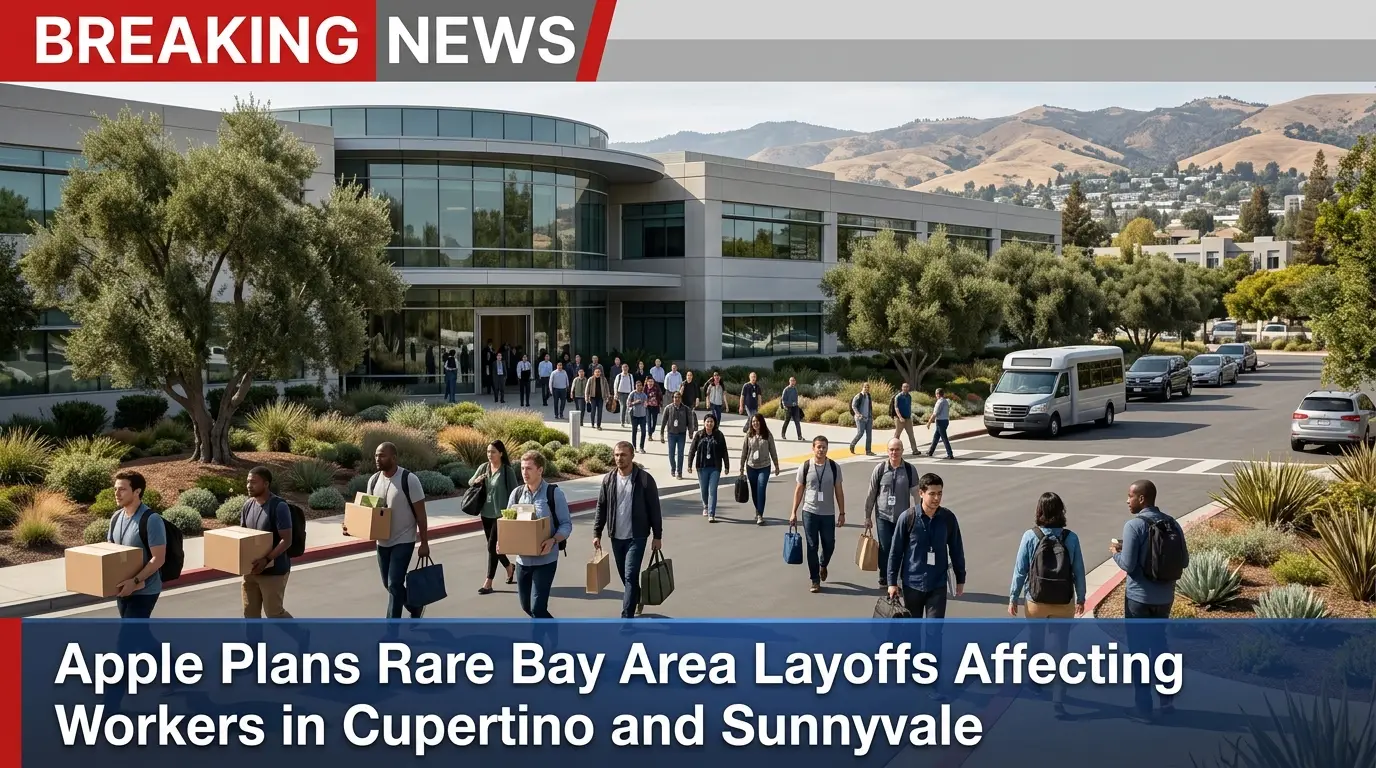


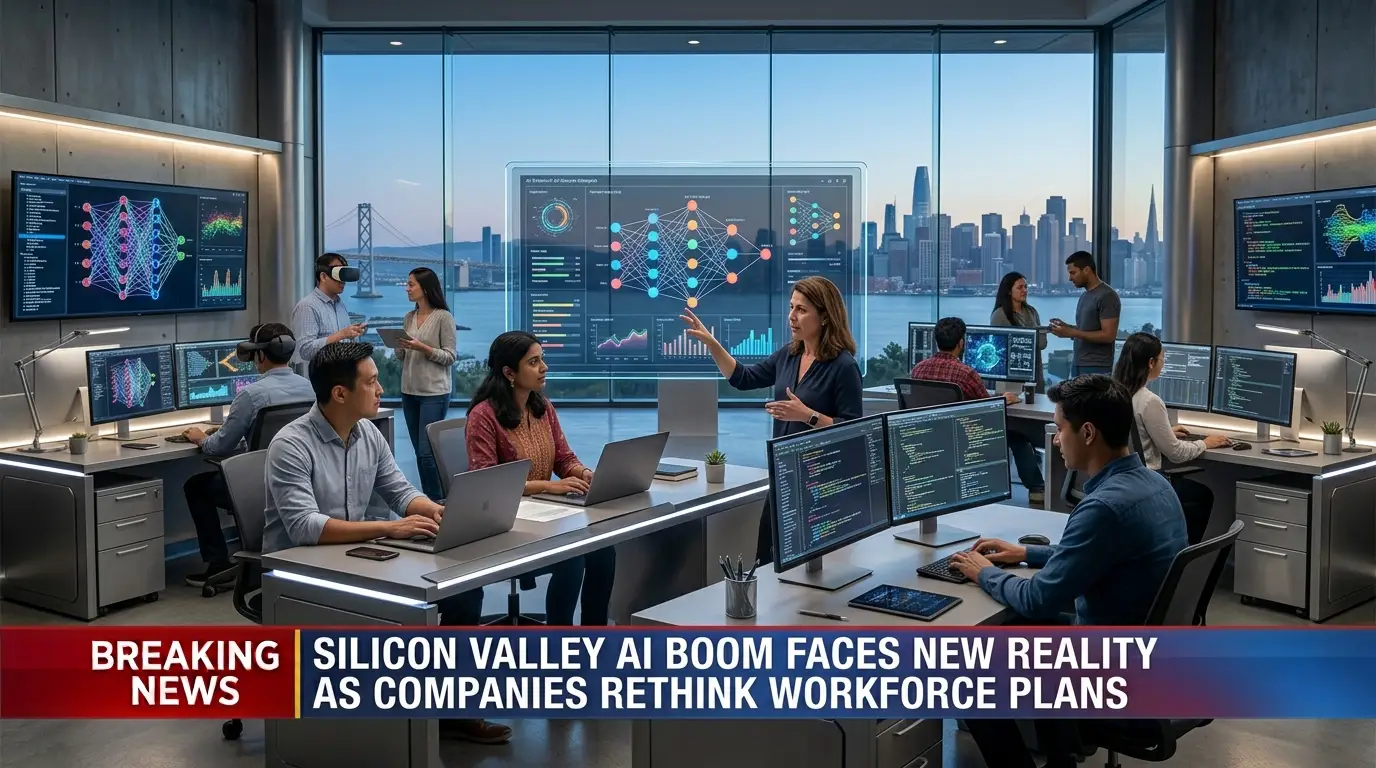


SAN FRANCISCO BAY AREA — Silicon Valley's push toward AI-driven workplaces is facing a more complicated reality as companies discover that replacing traditional teams with artificial-intelligence systems can be harder than expected.
Meta's internal effort to create a more AI-driven workforce has reportedly been scaled back after concerns involving productivity, employee resistance, security and the reliability of AI systems.
Companies Still Betting Heavily on AI
The setback does not mean Silicon Valley is abandoning artificial intelligence.
Meta continues to plan enormous investment in AI infrastructure and chips, with the company expecting to spend more than $130 billion on AI infrastructure this year.
Instead, the developments highlight a growing distinction between investing in AI and successfully replacing human work with AI.
Technology companies have spent billions developing increasingly capable systems.
However, deploying those systems throughout large organizations can create unexpected problems.
Employees may resist changes that affect their jobs.
AI systems can also make errors or struggle with tasks requiring context and judgment.
Security is another concern.
Companies must ensure that AI tools do not expose sensitive information or make unauthorized decisions.
The experience is forcing some technology companies to rethink how quickly they should restructure their workforces.
Instead of replacing entire departments, companies may use AI as an additional productivity tool.
That approach could become more common among businesses outside Silicon Valley as well.
Smaller companies are watching the industry's experience closely.
They can potentially adopt successful AI applications without repeating expensive mistakes made by larger corporations.
The debate is particularly important in Silicon Valley because the region's technology companies influence workplace practices across the broader economy.
AI is still expected to transform many industries.
But the latest developments suggest that transformation may involve collaboration between humans and machines rather than an immediate replacement of large numbers of workers.