



MENLO PARK — Silicon Valley's effort to integrate artificial intelligence into corporate workplaces is encountering unexpected obstacles as companies discover that replacing traditional workflows with AI can be more complicated than anticipated.
Meta's recent experience has become one of the most closely watched examples.
Reuters reported that the company's ambitious AI-focused workforce restructuring plan encountered internal resistance, productivity concerns and questions about AI reliability and security.
AI Transformation Proves Complicated
Technology companies have invested enormous amounts in AI with the expectation that automation can dramatically improve productivity.
But changing how thousands of employees work is more difficult than deploying a new software tool.
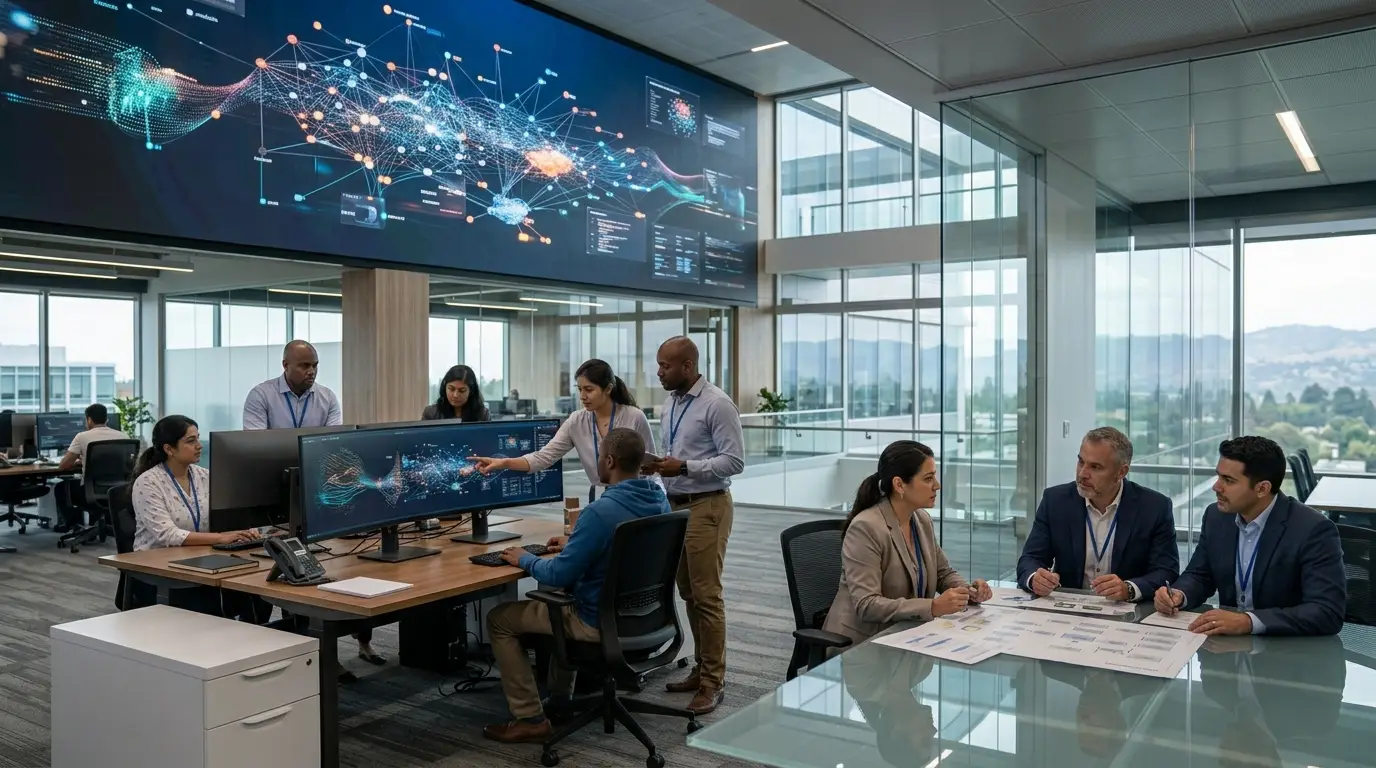
Meta had sought to create smaller teams supported heavily by AI systems.
The company believed the approach could reduce management layers and increase efficiency.
Employees reportedly raised concerns about productivity and communication.
The experience illustrates a broader challenge for Silicon Valley.
AI systems can generate impressive results but may still make mistakes, misunderstand instructions or require significant human oversight.
Companies must therefore determine which tasks can safely be automated.
The issue is especially important for large organizations.
Replacing established workflows can create operational risks if new systems fail.
Despite the difficulties, Meta continues to invest heavily in AI infrastructure.
The company expects to spend enormous amounts on computing capacity and advanced chips.
The experience could influence other Silicon Valley companies considering similar restructuring plans.
Rather than replacing entire teams, businesses may increasingly use AI to augment workers.
That could produce a more gradual transformation of the workplace.
The debate over AI and employment is therefore likely to continue as technology companies search for the right balance between automation and human expertise.