



TEHRAN — Iran's leaders are increasingly acknowledging the economic damage caused by the prolonged conflict with the United States as sanctions and disrupted trade place additional pressure on businesses and households.
Iranian officials say foreign trade has contracted sharply since the war began.
Economic Pressure Deepens
Iran's supreme leader has called on the government to address growing economic hardship, while President Masoud Pezeshkian has said foreign trade has fallen by roughly one-third.
The figures highlight the growing economic consequences of a conflict that has already disrupted energy markets across the region.
Iran is facing pressure from multiple directions.
U.S. sanctions have restricted access to international financial markets, while military conflict has disrupted shipping and commercial activity.
The Strait of Hormuz remains a major concern because of its importance to global oil transportation.
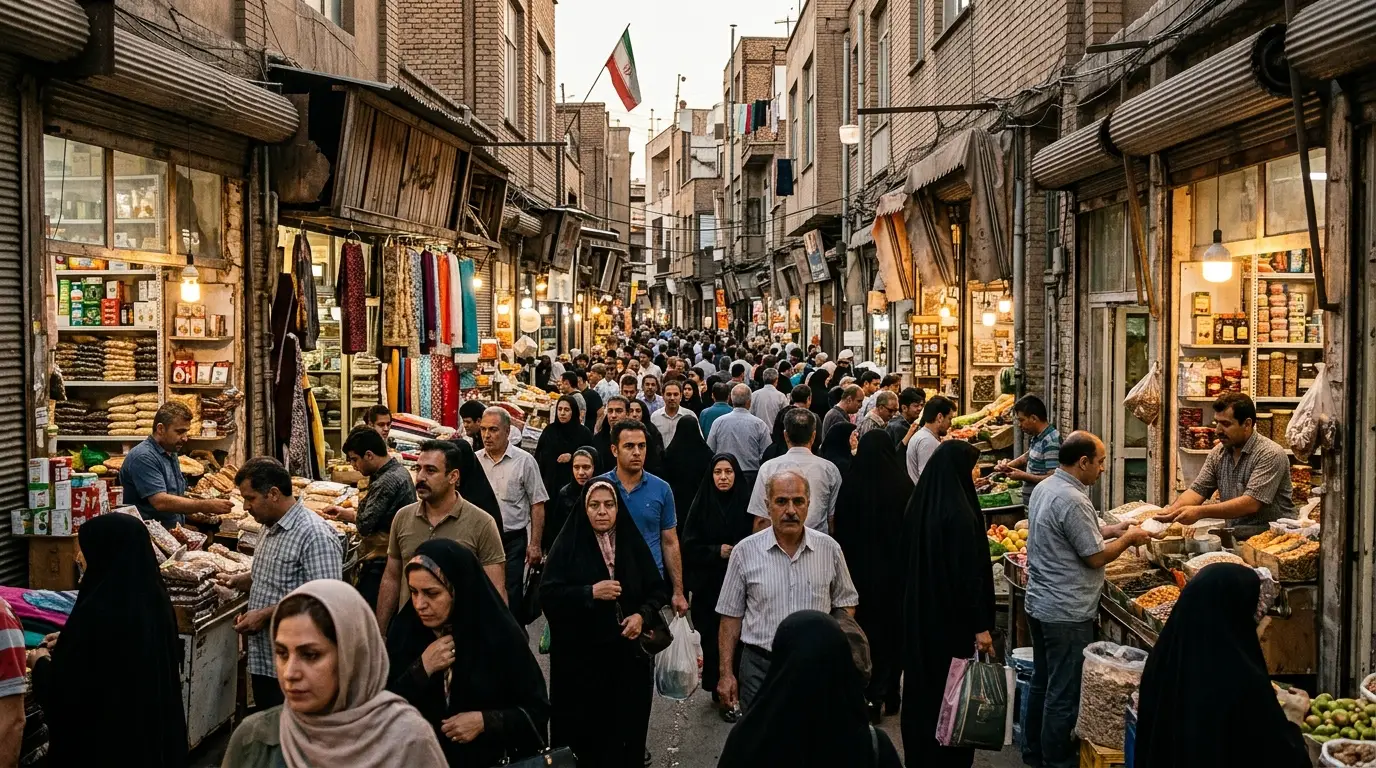
Businesses inside Iran are dealing with higher costs, weaker trade flows and uncertainty about future supplies.
Households are also facing economic pressure as prices rise and access to some imported products becomes more difficult.
The government has attempted to emphasize domestic production and economic resilience.
But prolonged restrictions on international trade can make it difficult for businesses to obtain technology, machinery and other imported inputs.
The situation could become more difficult if the conflict continues for an extended period.
For global markets, Iran's economic problems also matter because the country remains an important producer of oil and a major player in the Middle East.
Any further disruption to Iranian energy exports could affect global supply.
At the same time, a prolonged economic crisis could increase political pressure on Tehran to seek a diplomatic solution.
The coming months will therefore be important for determining whether economic pressure translates into negotiations or instead produces deeper confrontation.