

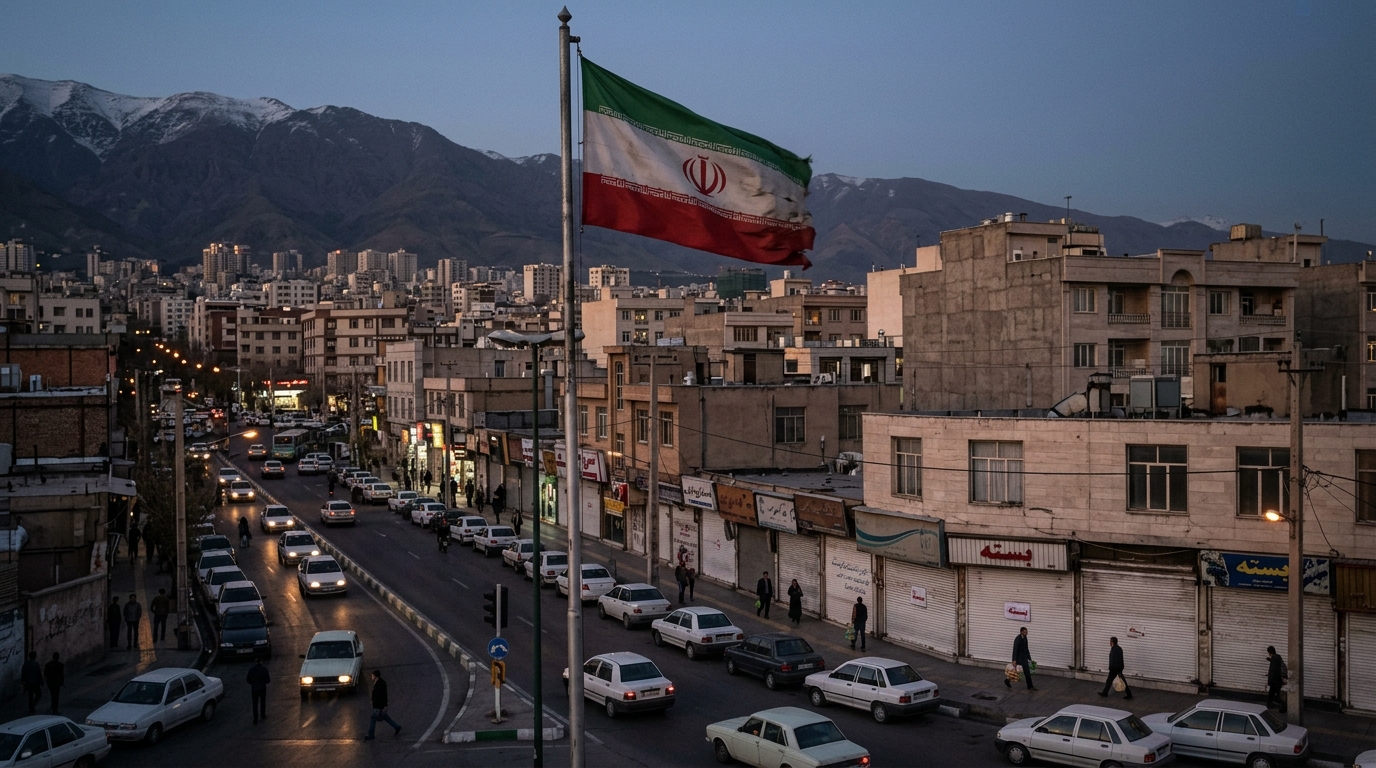


TEHRAN — Iran's economy is facing growing pressure as the United States intensifies sanctions while the conflict between Washington and Tehran continues to weigh on trade, inflation and economic activity.
Reuters reported that Iranian leaders have acknowledged severe economic difficulties, including inflation of around 66%, reduced foreign trade and a shrinking economy. Iranian President Masoud Pezeshkian has said trade has declined by roughly 35%.
Sanctions Deepen Iran's Economic Challenges
The economic pressure comes alongside continuing tensions surrounding the Strait of Hormuz, a crucial route for global energy shipments.
Iran has maintained that it retains control over the strategic waterway, while the United States and Iran's Revolutionary Guards have made conflicting claims about its accessibility.
The economic consequences extend beyond Iran. Any sustained disruption involving the Strait of Hormuz could affect global energy markets because large volumes of oil and other commodities pass through the region.
Diplomatic efforts are continuing, with Qatar and Pakistan involved in attempts to facilitate renewed negotiations between Iran and the United States. Tehran has indicated that it remains open to diplomacy under conditions it considers balanced.
At the same time, Washington has continued applying financial pressure, including sanctions involving financial institutions and individuals connected to Iran.
The result is an increasingly complicated situation in which economic pressure and diplomacy are developing simultaneously.
For Iran, the immediate challenge is managing an economy under severe external pressure while attempting to maintain essential trade.
For the global economy, the key concern is whether the confrontation eventually produces a diplomatic breakthrough or another escalation.