

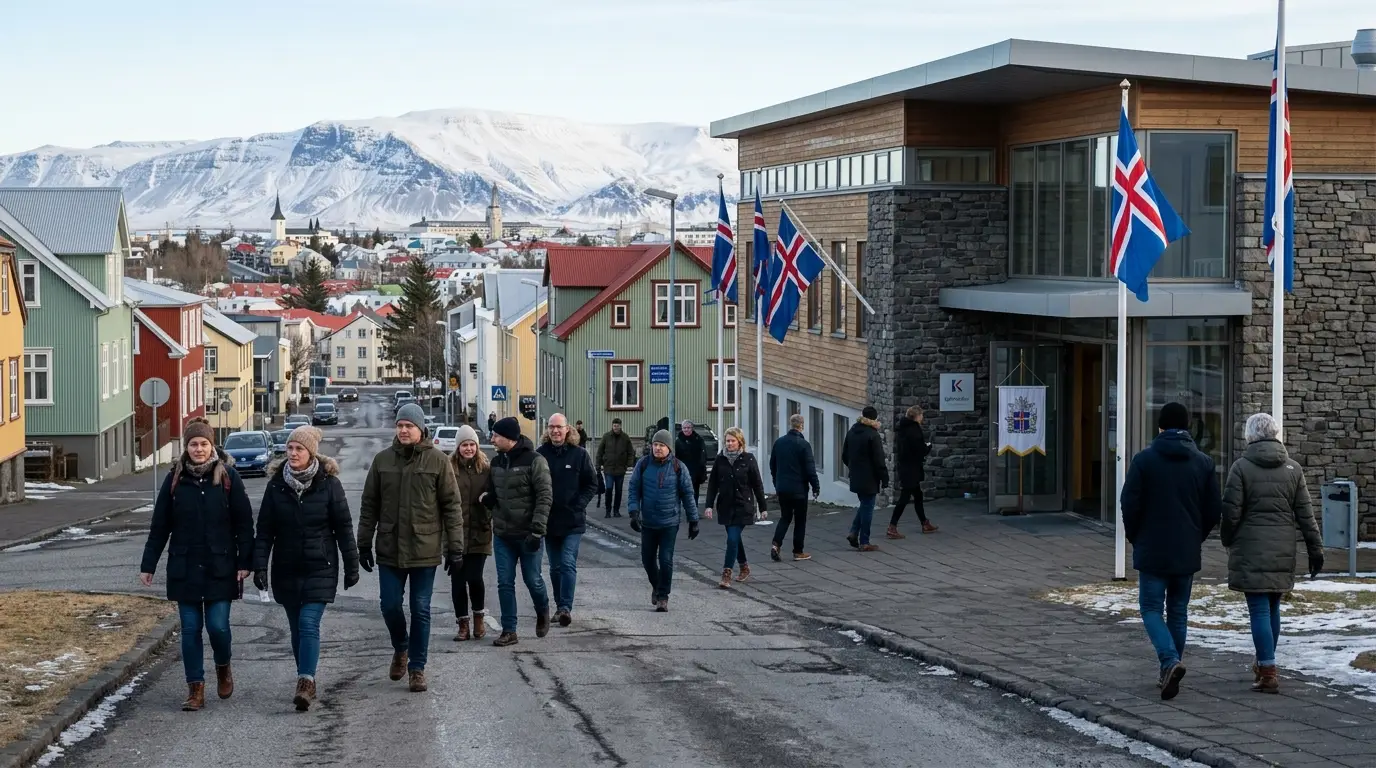


REYKJAVIK — Icelanders went to the polls Saturday in a closely watched referendum on whether the country should reopen negotiations over membership in the European Union.
The vote has revived a long-running debate over Iceland's relationship with Europe.
Small Country, Major Strategic Question
Iceland has maintained close economic ties with the European Union but has never joined the bloc.
The country participates in the European Economic Area, giving it access to much of Europe's single market.
Supporters of renewed EU negotiations argue that membership could provide greater economic and political security.
Opponents say Iceland already enjoys many of the benefits of European integration without giving up control over important areas such as fisheries and monetary policy.
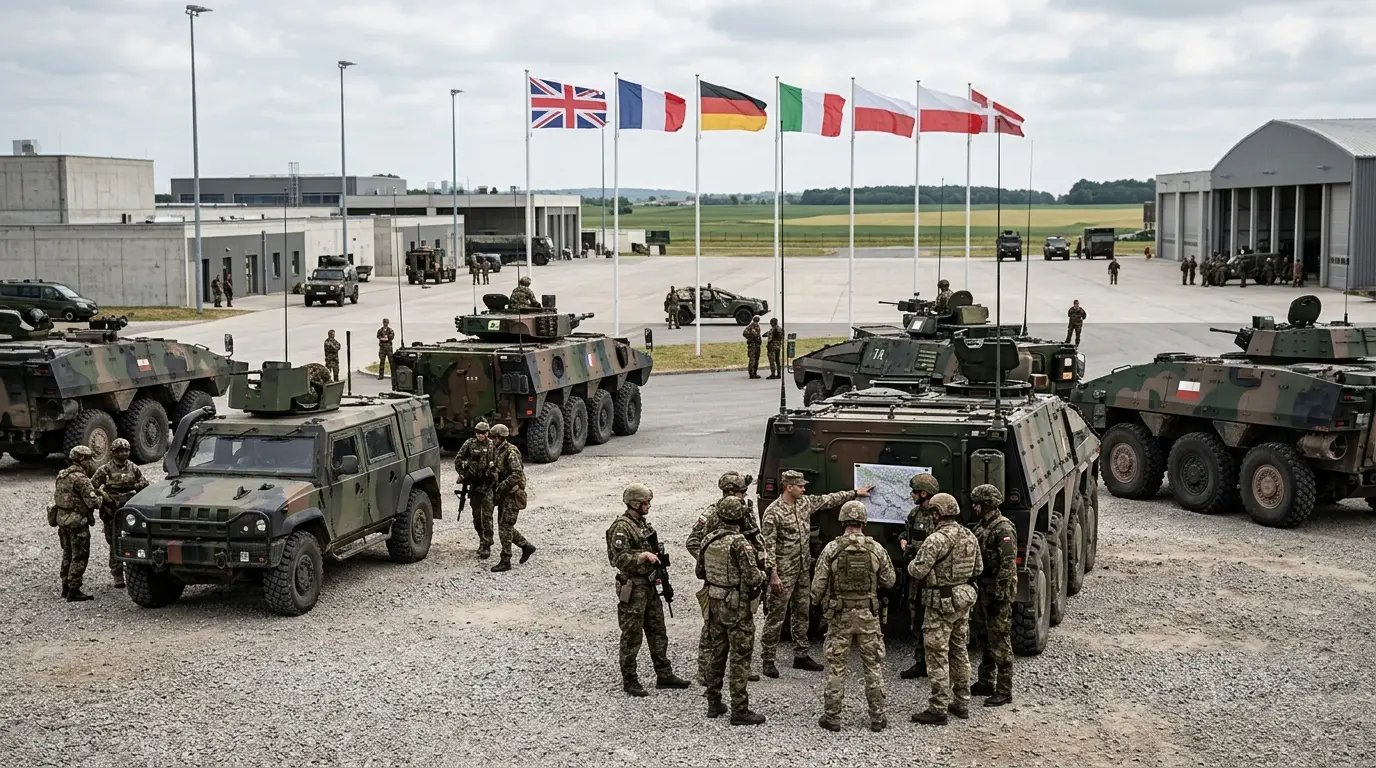
The referendum is taking place amid major changes in Europe's security environment.
Russia's war in Ukraine and broader geopolitical tensions have encouraged several European countries to reconsider traditional approaches to defense and economic cooperation.
Iceland's strategic position in the North Atlantic also gives the debate significance beyond its small population.
The country occupies an important location between North America and Europe and plays a role in NATO's regional security architecture.
The referendum does not itself make Iceland an EU member.
Instead, voters are being asked whether the government should reopen talks with the bloc.
If the proposal passes, negotiations could take years and would ultimately require further political decisions.
The vote has divided Icelandic society, with polling suggesting a close contest.
For supporters, renewed negotiations represent an opportunity to strengthen Iceland's position in Europe.
Opponents fear that membership could reduce national control over fisheries and other strategic sectors.
Whatever the outcome, the referendum demonstrates that Iceland's relationship with the European Union remains one of the country's most important long-term political questions.