

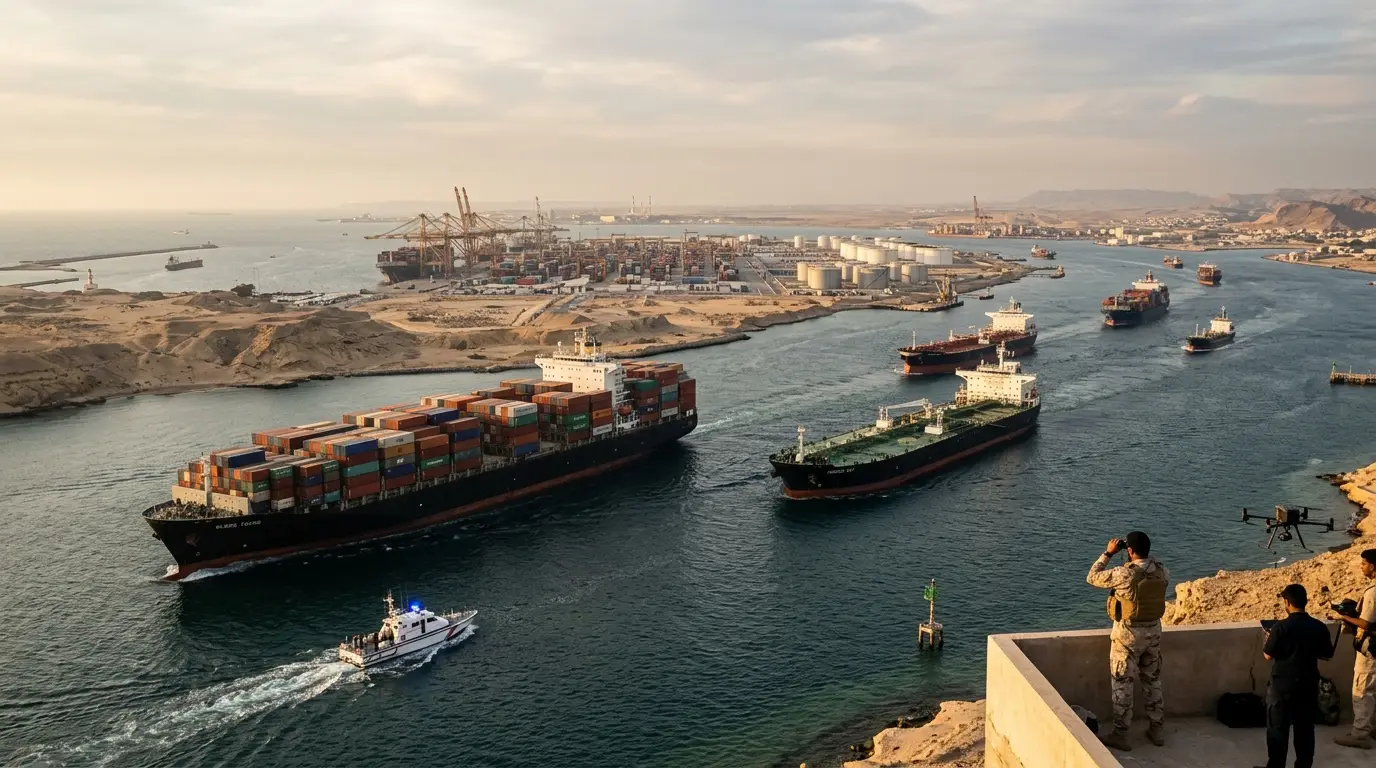


SINGAPORE — International shipping companies continue to adjust routes as security concerns in the Middle East disrupt major commercial waterways and increase transportation costs.
The changes are affecting energy shipments, container trade and global supply chains.
Shipping Industry Adapts to New Risks
The Middle East remains one of the world's most important transportation regions.
The Strait of Hormuz is particularly significant because large quantities of oil and natural gas normally pass through the waterway.
Security concerns have forced some shipping companies to reconsider routes.
Longer voyages can increase fuel consumption, insurance costs and delivery times.
Those additional expenses can eventually reach consumers through higher prices for imported products.
Energy markets are especially sensitive to disruptions.
Oil tankers traveling through alternative routes may need significantly longer journeys, reducing the efficiency of global supply chains.
Container shipping companies are also monitoring developments closely.
Companies have already faced disruptions in other major maritime corridors in recent years.
The cumulative effect has increased pressure on global shipping capacity.
For manufacturers, longer delivery times can make inventory management more difficult.
Businesses may respond by holding larger inventories or finding alternative suppliers closer to their main markets.
The shipping industry is also investing in technology designed to improve maritime security and route planning.
Satellite monitoring, automated navigation and real-time risk assessment are becoming increasingly important.
The longer security problems continue, the more likely they are to influence global trade patterns.
For consumers and businesses, the impact may appear indirectly through higher transportation costs and longer delivery times.