



ULAANBAATAR — Governments and international organizations are warning that drought and land degradation are becoming increasingly serious global threats as representatives from nearly 200 countries meet in Mongolia to discuss ways to strengthen resilience.
The talks highlight the growing economic and humanitarian consequences of worsening water and land conditions.
Drought Threatens Food and Water Security
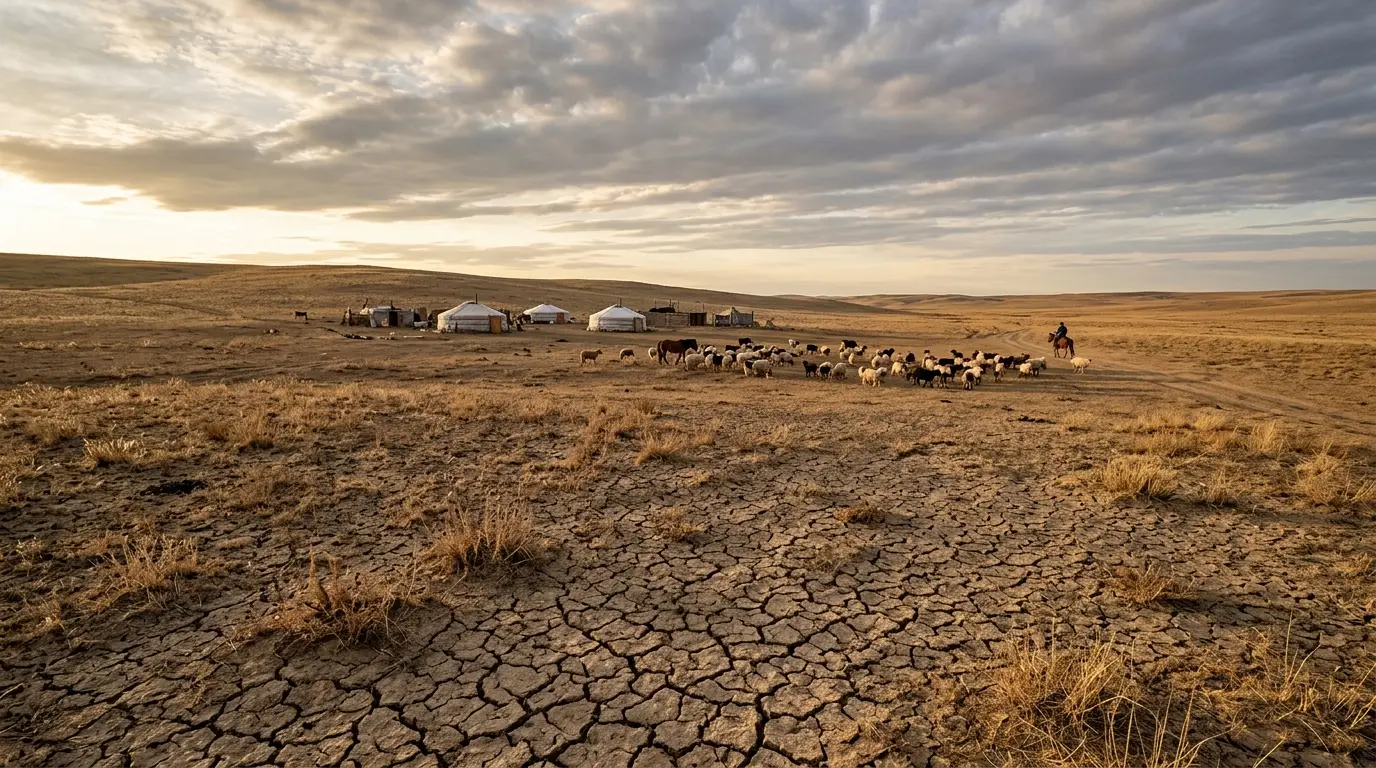
Up to 40% of the world's land is now considered degraded, according to figures discussed at the United Nations desertification conference.
Droughts are also affecting regions that historically experienced less severe water shortages.
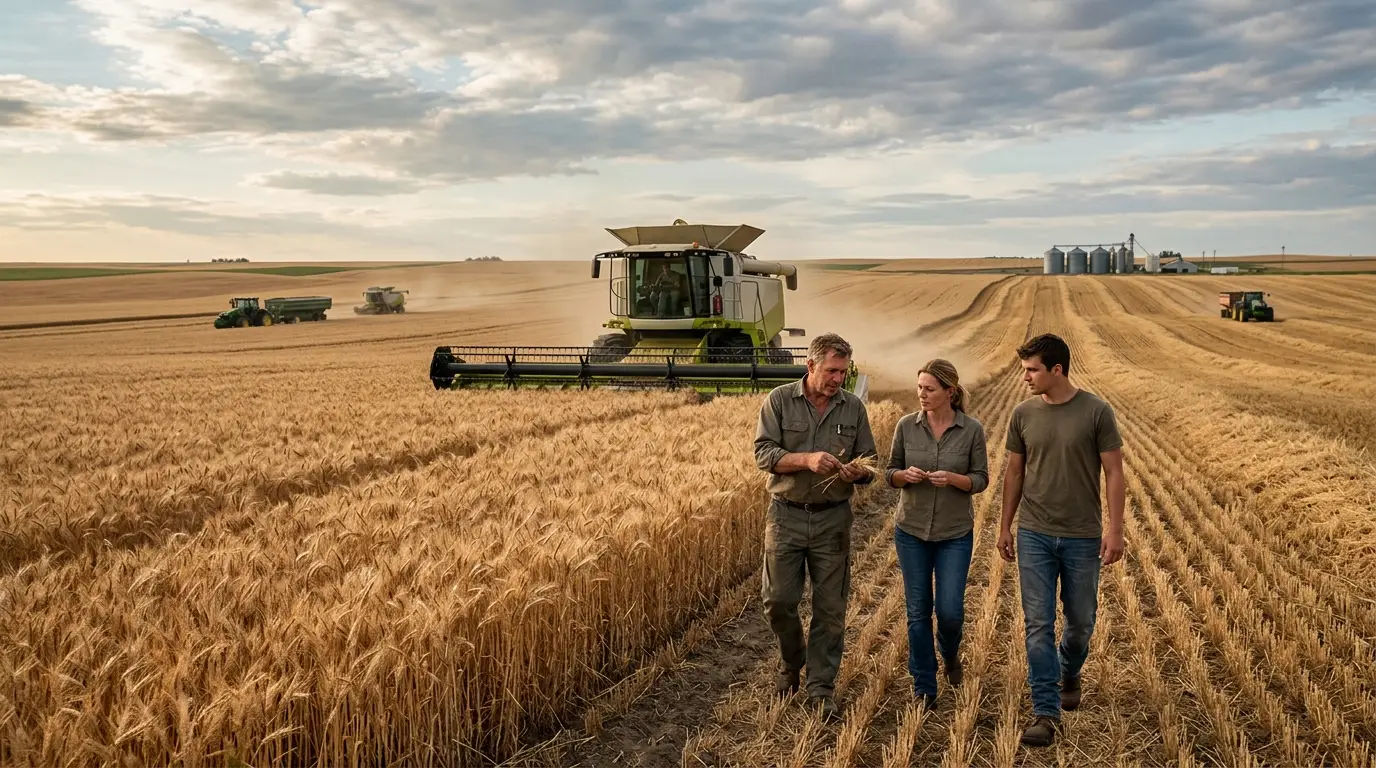
The issue has direct implications for agriculture.
Healthy soil and reliable water supplies are essential for food production, while degraded land can reduce crop yields and increase pressure on farmers.
The conference launched a new rangelands initiative involving approximately $1.2 billion across 45 projects.
The Asian Development Bank also pledged an additional $2 billion for land restoration projects across the Asia-Pacific region.
Rangelands cover more than half of the planet's land surface and support roughly 2 billion people.
Their degradation can therefore affect food supplies, livelihoods and carbon emissions.
Negotiations over a legally binding international drought treaty were postponed again, meaning governments will need to continue working through existing agreements and national programs.
Experts say the financing gap remains enormous.
Global land-restoration commitments face an estimated annual shortfall of hundreds of billions of dollars.
Private investment in land restoration has remained relatively limited.
The economic challenge is therefore not simply creating environmental policies but finding enough money to implement them.
For developing countries, drought can also increase migration and political instability.
Agricultural losses can push rural populations toward cities or across borders.
The conference's emphasis on investment reflects growing recognition that drought resilience is an economic issue as much as an environmental one.
Governments are increasingly being asked to treat water management, soil conservation and land restoration as essential infrastructure.
The decisions made in the coming years could determine how effectively countries respond to a growing global drought challenge.