



SINGAPORE — Asian economies are strengthening regional trade relationships as companies rethink global supply chains and seek alternatives to routes affected by geopolitical tensions.
Manufacturers are increasingly diversifying production across multiple countries.
Businesses Seek More Flexible Supply Chains
For years, many international companies relied heavily on a small number of manufacturing centers.
That model has become more difficult because of trade restrictions, geopolitical tensions and transportation disruptions.
Companies are now establishing additional production facilities across Southeast Asia and South Asia.
Countries such as Vietnam, Malaysia, India and Indonesia are attracting investment in electronics, automotive components and consumer goods.
Governments are also negotiating new trade agreements.
The goal is to reduce tariffs and make cross-border investment easier.
China remains the region's largest manufacturing power, but companies are increasingly using a "China plus one" strategy.
That means maintaining Chinese production while adding facilities elsewhere.
The strategy can reduce risk without requiring companies to completely abandon existing supply chains.
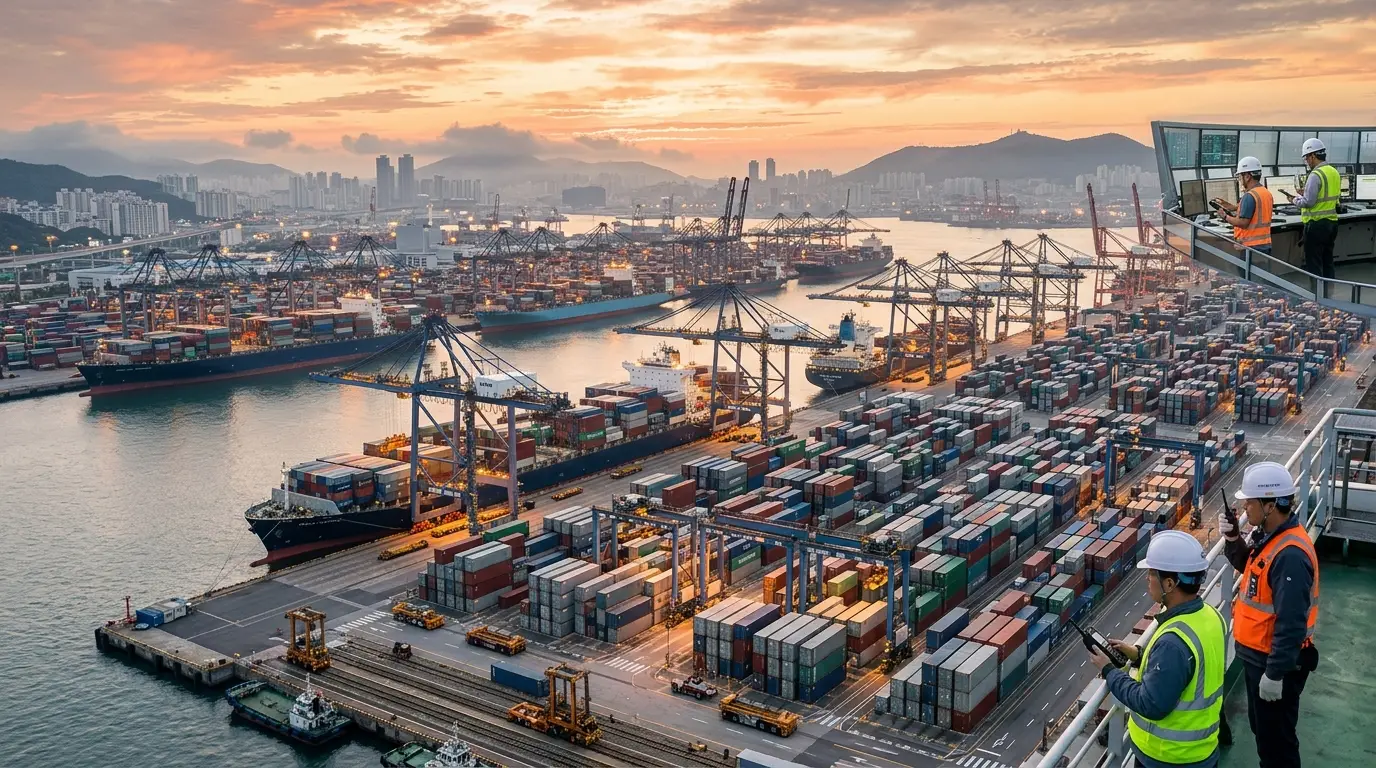
Ports and logistics companies are also investing in new infrastructure.
More efficient transportation networks can reduce delivery times and manufacturing costs.
The shift could reshape global trade over the next decade.
For Asian economies, it presents an opportunity to attract factories and create jobs.
For consumers, however, supply-chain diversification can initially increase costs.
Companies must often operate multiple facilities rather than relying on a single large production center.
The long-term result could be a more resilient but more expensive global manufacturing system.