



WASHINGTON — Trade tensions between the United States and Canada are continuing to test one of America's most important international relationships, with tariffs and retaliatory measures creating uncertainty for businesses on both sides of the border.
The dispute has already affected industries and political debates in both countries. The Associated Press reported that Canada has imposed retaliatory tariffs while negotiations with Washington remain contentious.
Tariffs Put Pressure on Integrated Supply Chains
The economic relationship between the United States and Canada is deeply integrated. American manufacturers rely on Canadian suppliers, while Canadian businesses depend heavily on access to the U.S. market.
That integration makes tariffs particularly complicated. A duty imposed on imported materials can eventually affect manufacturers, retailers and consumers far beyond the company that initially pays it.
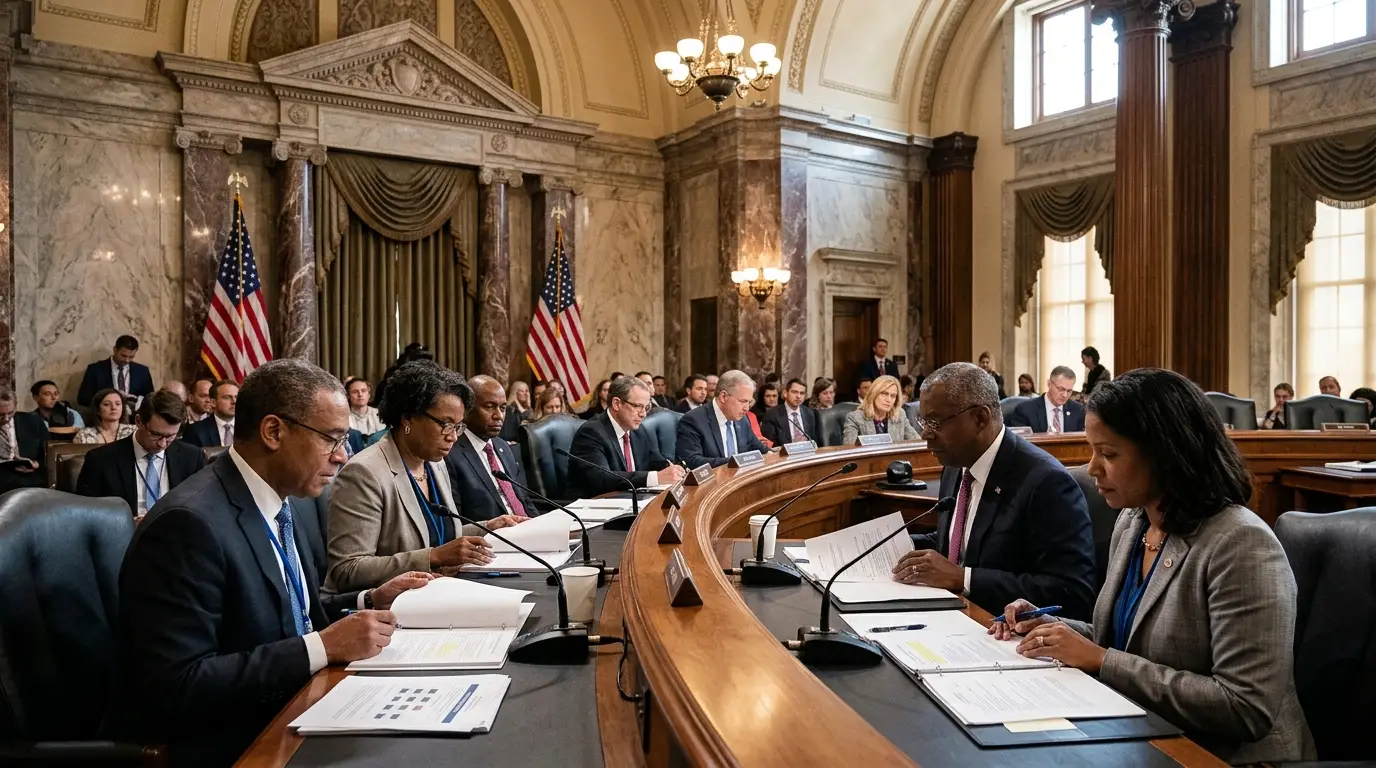
The political consequences could also become increasingly important as lawmakers campaign ahead of the U.S. midterm elections.
Trade policy is traditionally presented as an economic issue, but it can quickly become a political one when tariffs affect prices, jobs or major industries in specific states.
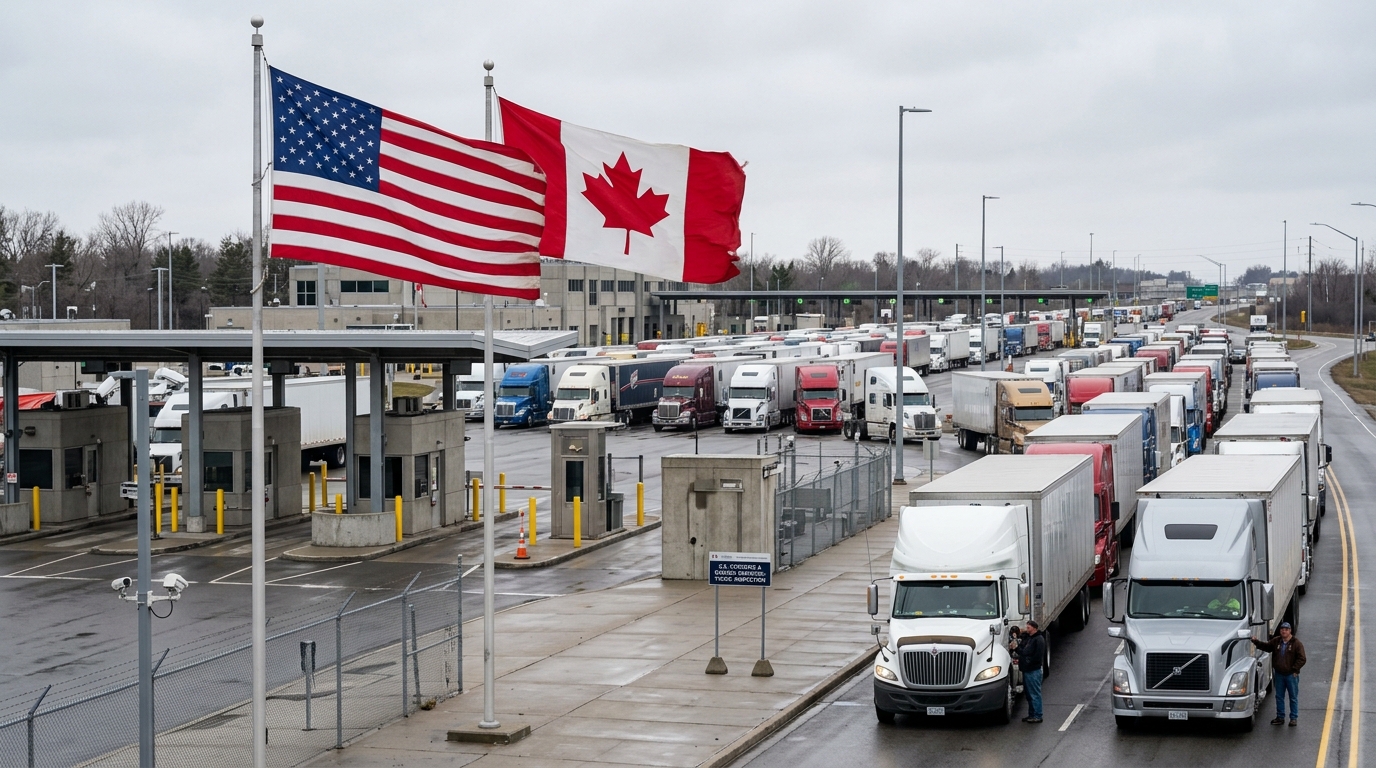
Automakers and other manufacturers are particularly exposed because their supply chains frequently cross the U.S.-Canadian border multiple times.
The latest dispute therefore presents a difficult balancing act for policymakers: protecting domestic industries while avoiding costs that could ultimately be passed to American consumers and businesses.
The future of the trade relationship will depend heavily on whether negotiators can prevent the current dispute from developing into a broader and more permanent rupture.