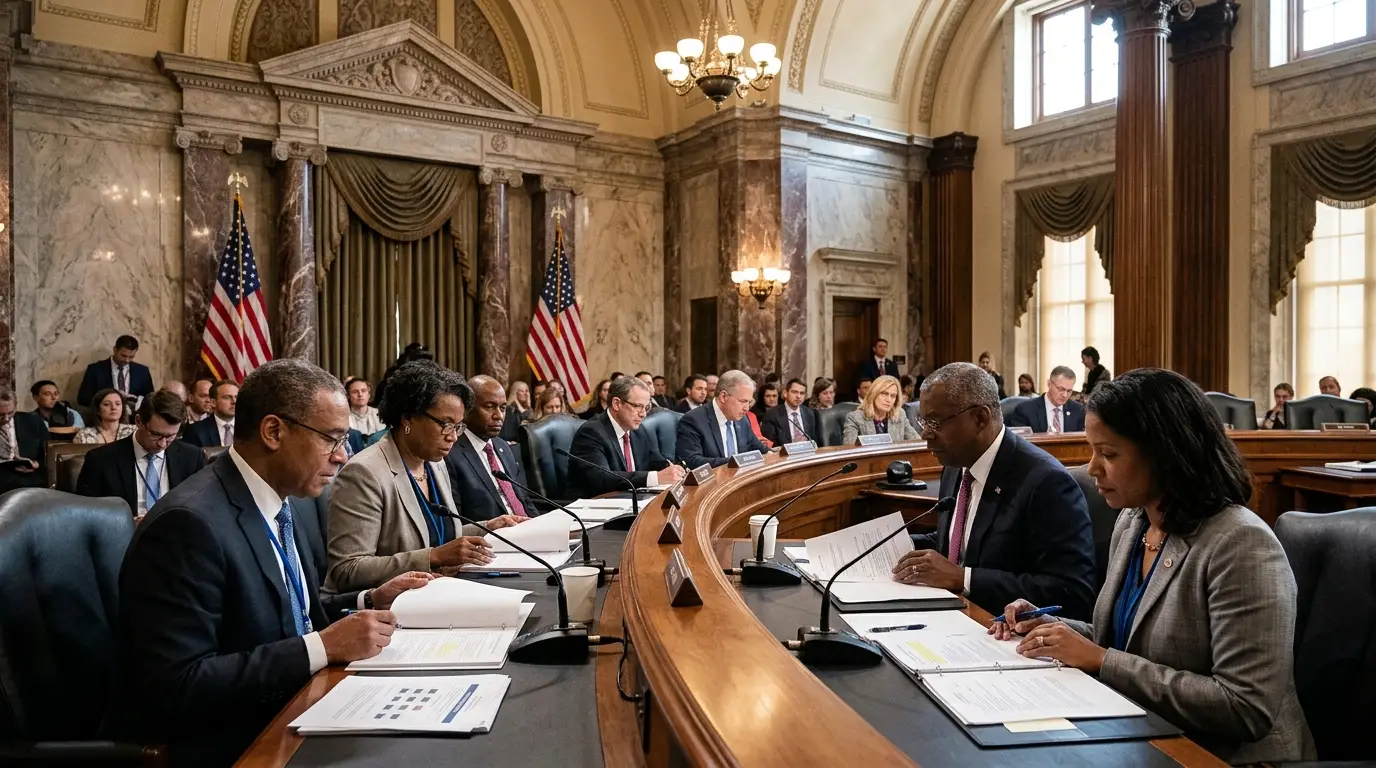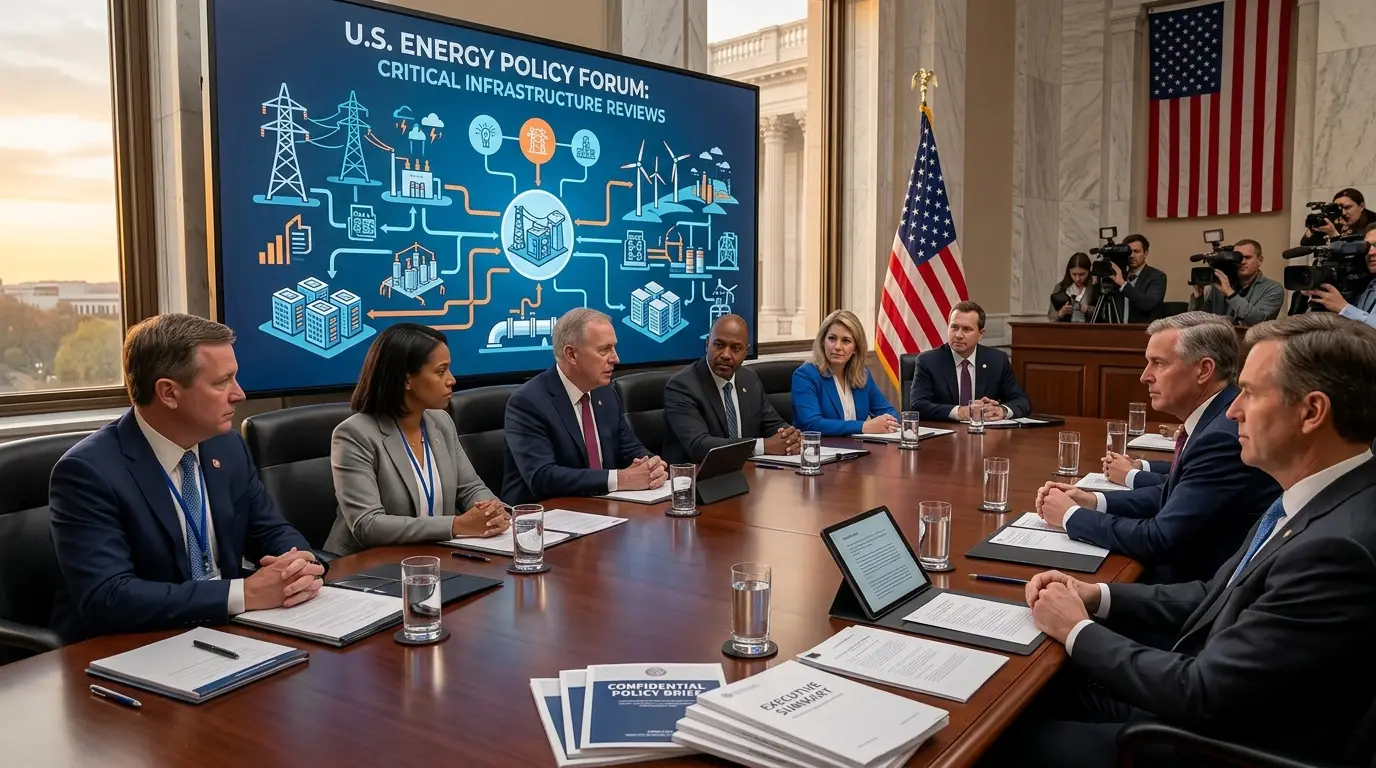


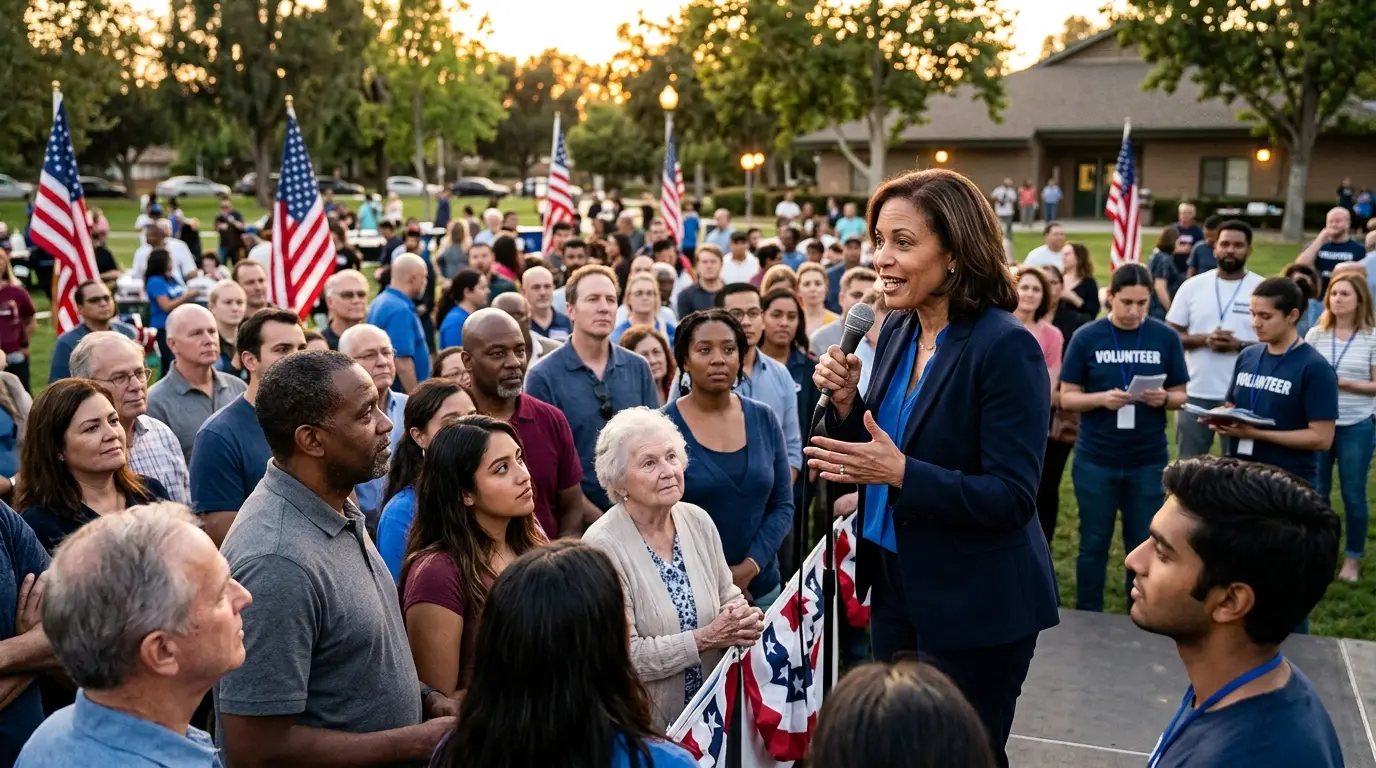


WASHINGTON — Democratic candidates are increasing campaign activity in competitive congressional districts as the 2026 midterm elections move closer.
The party is focusing heavily on suburban and swing districts where economic concerns could influence voters.
Economy Takes Center Stage
Democratic campaigns are emphasizing household expenses, healthcare and the cost of living.
Candidates argue that voters are increasingly concerned about gasoline prices, housing costs and everyday expenses.
Republicans are countering with messages focused on immigration, national security, taxes and government spending.
The competing strategies reflect the broader political divide heading into the midterms.
Democrats are hoping that dissatisfaction with the administration will translate into congressional gains.
Republicans, meanwhile, are attempting to maintain control by emphasizing Trump's policy achievements and mobilizing conservative voters.
Independent voters could play a decisive role in closely contested districts.
Campaign strategists from both parties are therefore investing heavily in polling, television advertising and grassroots organization.
The outcome will likely depend on turnout as well as persuasion.
Midterm elections traditionally produce lower participation than presidential elections, making motivated voting blocs particularly important.
Trump's influence also remains a central factor.
Although the president is not personally on the ballot, his policies and political reputation are likely to shape many congressional races.
Candidates must therefore decide how prominently to feature the president.
In strongly Republican districts, close association with Trump could help turnout.
In competitive districts, candidates may prefer to focus on local issues.
The campaign environment is expected to become increasingly intense as Election Day approaches.