




WASHINGTON — Six months after the United States and Israel launched military action against Iran, President Donald Trump's administration is facing increasing political pressure over a conflict that has lasted far longer than originally expected.
The war has affected U.S. energy prices, international markets and the president's political standing.
A Conflict That Refuses to End Quickly
Trump initially suggested that military action against Iran could be completed within weeks.
Instead, the conflict has continued for six months, with shipping through the Strait of Hormuz severely disrupted and no clear diplomatic settlement in sight.
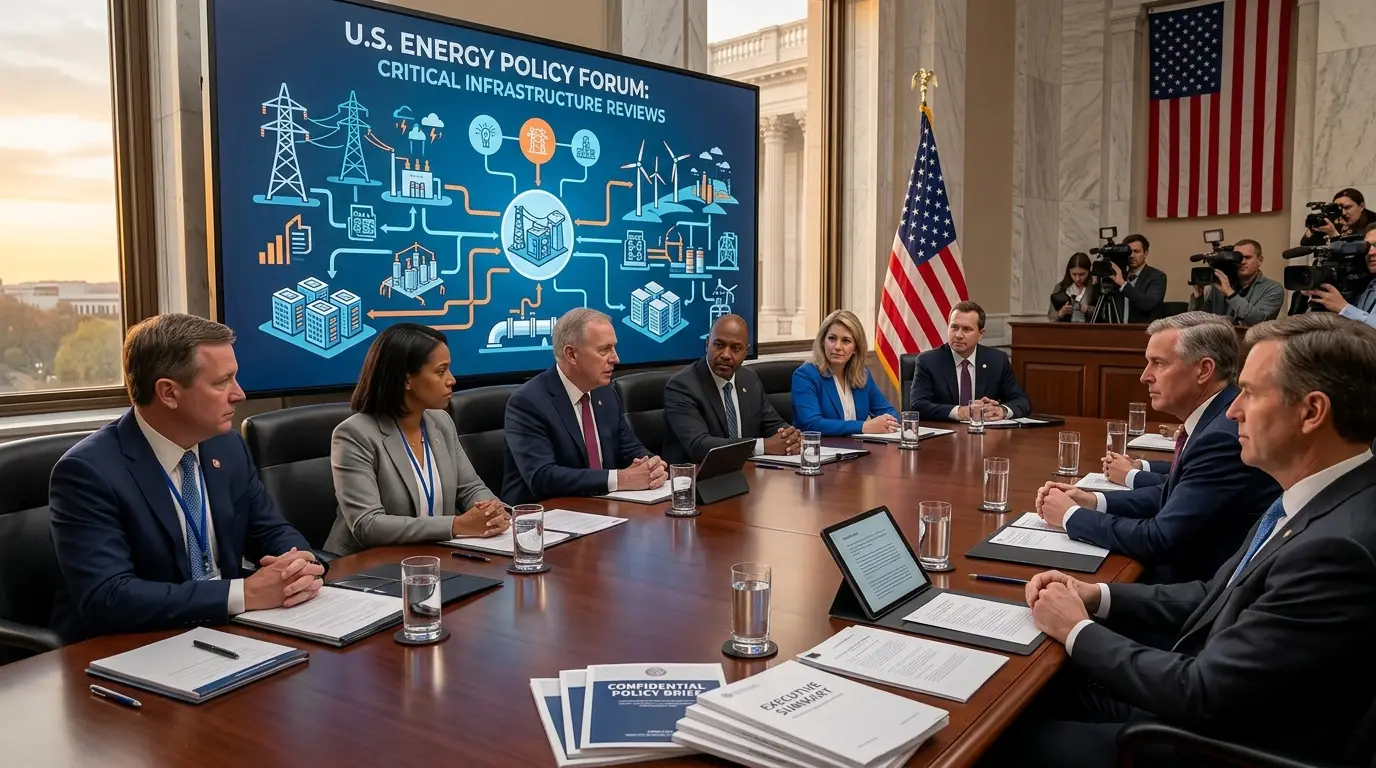
The prolonged war has become an increasingly important political issue because of its economic consequences.
U.S. gasoline prices have risen significantly, creating pressure on household budgets.
Trump's approval rating has also fallen to roughly 33%, according to Reuters reporting.
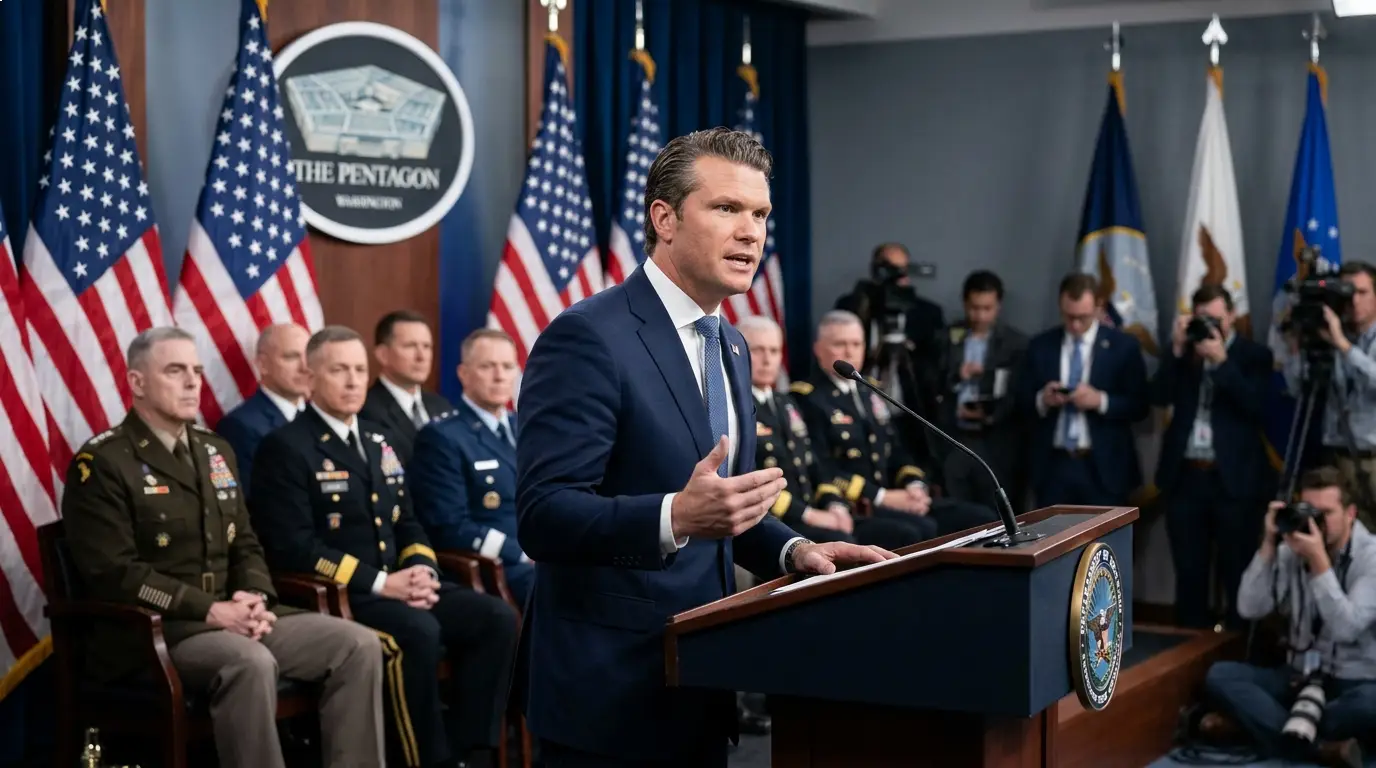
The administration continues to argue that military action is necessary to prevent Iran from developing nuclear weapons.
Critics, however, question the long-term strategy and whether the United States has a clear path toward ending the conflict.
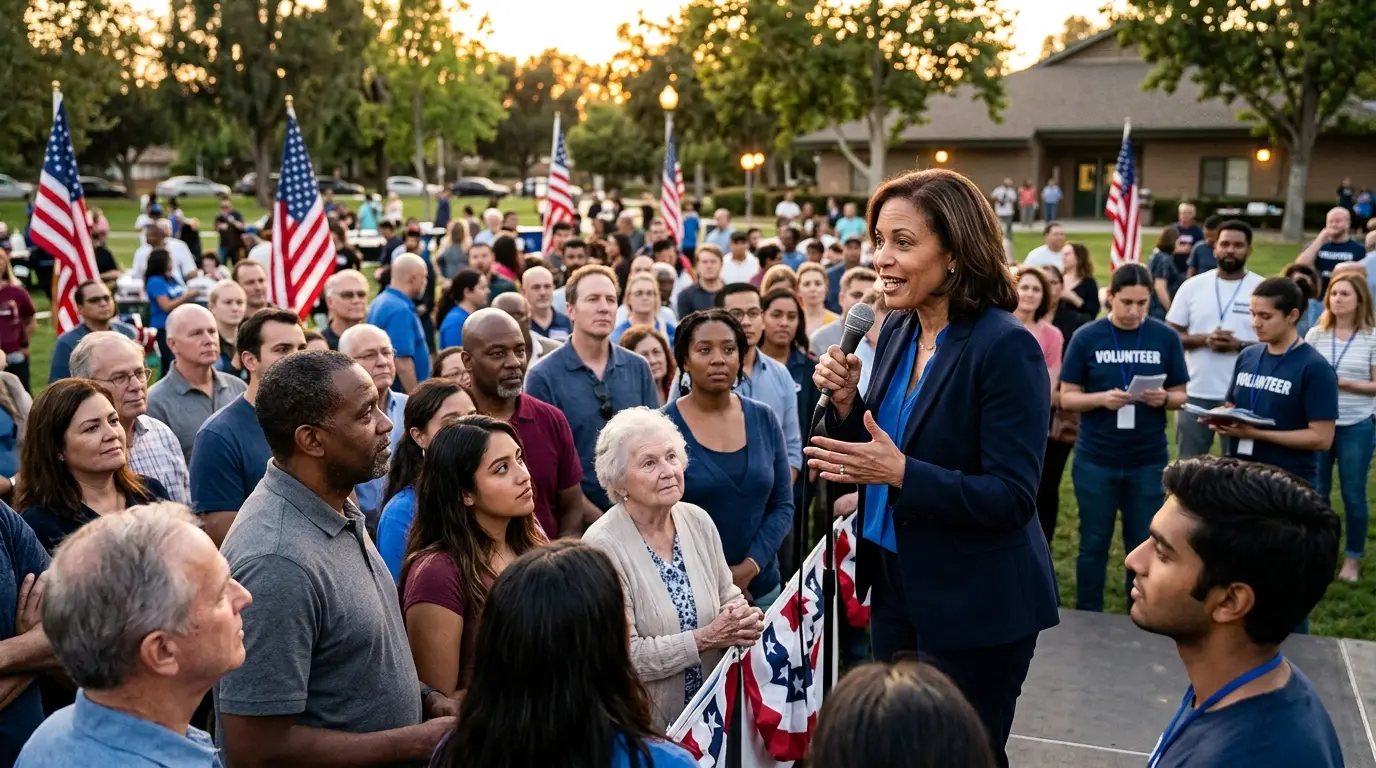
The political challenge is especially significant because the November midterm elections are approaching.
Republican candidates must defend the administration's policies while responding to voter concerns about inflation, gasoline prices and the costs of military engagement.
Democrats are expected to emphasize the economic consequences of the conflict and question whether the administration had a clear exit strategy.
The White House has also attempted to use economic pressure against Iran through sanctions.
But Tehran's economy remains under significant strain, while the conflict continues to affect global energy markets.
Trump now faces a difficult balancing act.
Escalating the conflict could increase economic risks, while a rapid withdrawal could create criticism that the administration failed to achieve its stated objectives.
The next phase of the war could therefore have major consequences not only for American foreign policy but also for Trump's domestic political standing.