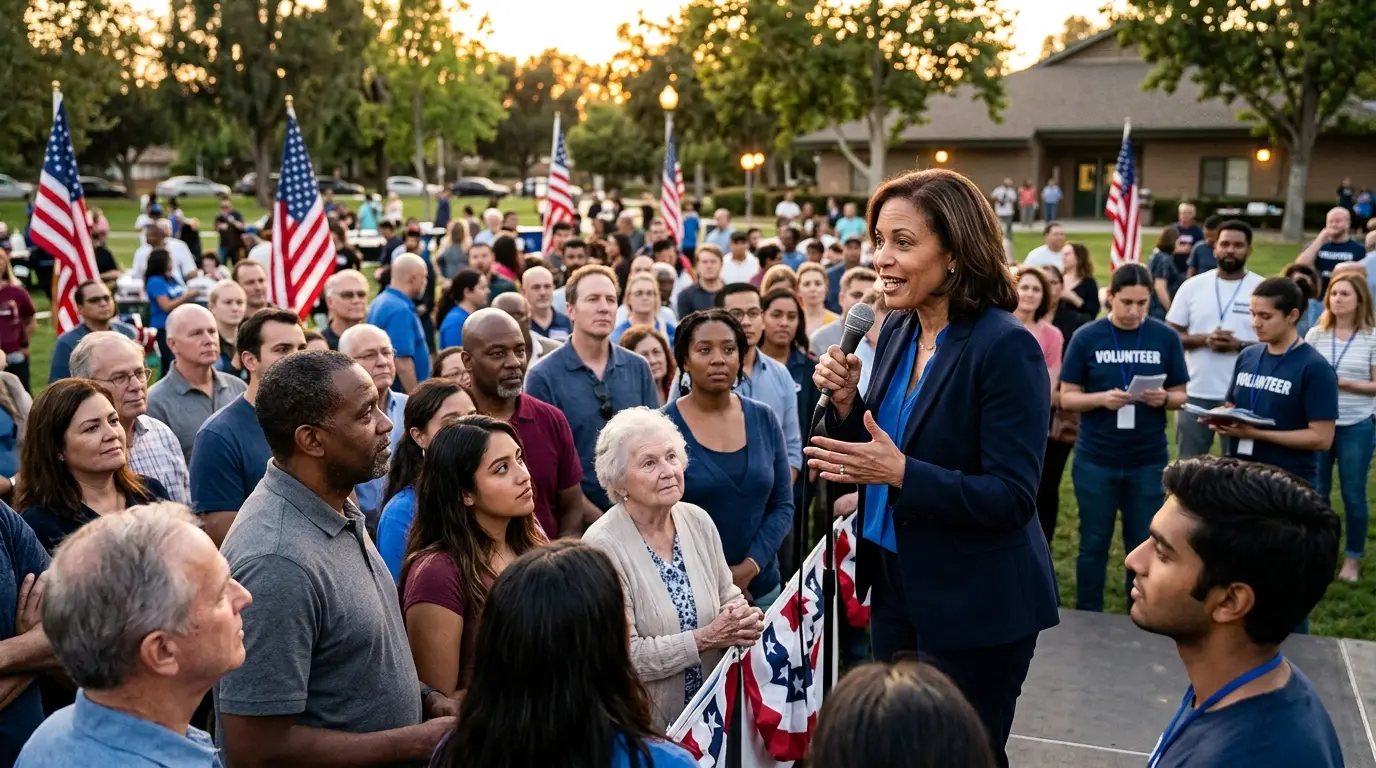


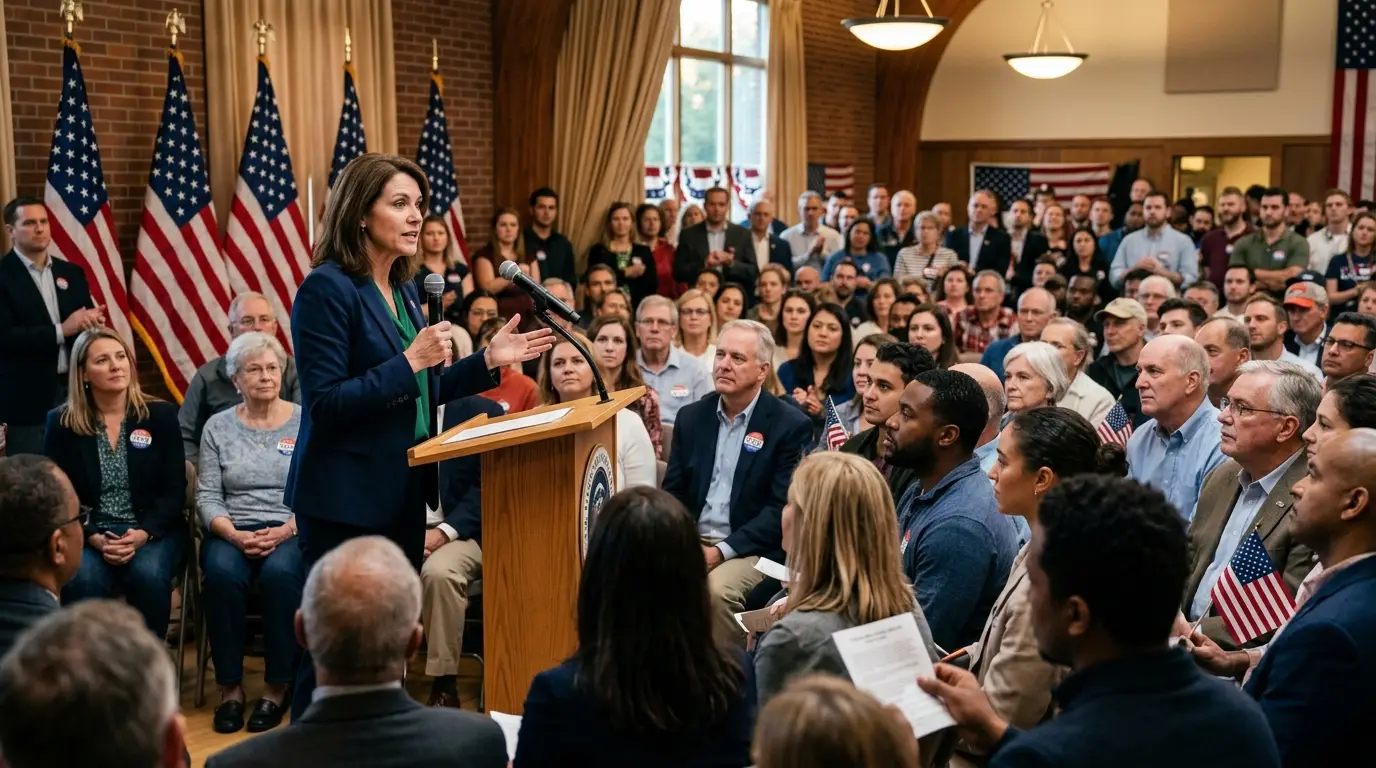


WASHINGTON — Republican candidates are entering the final stretch before the 2026 midterm elections facing a difficult question: how closely should they tie their campaigns to President Donald Trump?
The president remains highly influential within the Republican Party, but some candidates in competitive races are beginning to emphasize their own political identities.
Trump Remains Central to GOP Strategy
Most Republican candidates continue to support Trump's administration and policies.
His endorsements can provide valuable campaign support and help mobilize conservative voters.
But some candidates have softened Trump's presence in campaign materials after winning their primary elections.
The Associated Press reported that several Republicans have altered websites or messaging to emphasize local issues and independent leadership.
The strategy reflects a difficult political calculation.
Trump's support can energize Republican voters, particularly in strongly conservative areas.
However, candidates in competitive districts may need to appeal to independents and moderate voters who have different views about the president.
The issue has become especially sensitive because of the war involving Iran and its effect on gasoline prices.
Republican candidates therefore face pressure to defend the administration while also addressing voters' concerns about the cost of living.
Democrats are seeking to capitalize on those concerns.
Their campaign message increasingly focuses on groceries, healthcare, gasoline and household expenses.
Republicans, meanwhile, continue to emphasize immigration, crime, government spending and opposition to what they describe as left-wing extremism.
The competing strategies could become particularly important in suburban districts.
Candidates who can maintain support from their party base while attracting independents could have an advantage in closely contested races.
The political environment remains fluid.
Trump is not on the ballot in November, but his influence over the Republican Party means that the election will also be interpreted as a referendum on his presidency.
The outcome will determine whether Republicans maintain control of Congress during the final two years of Trump's second term.