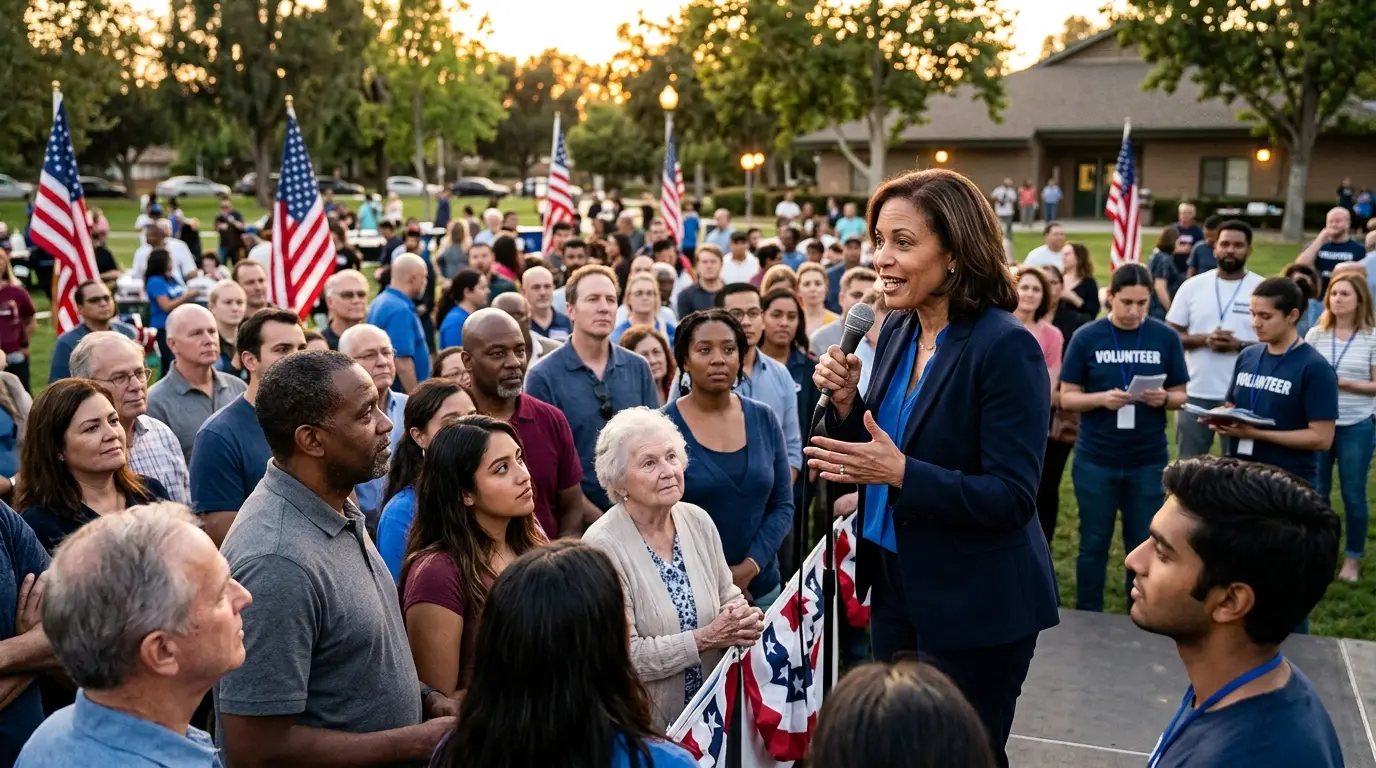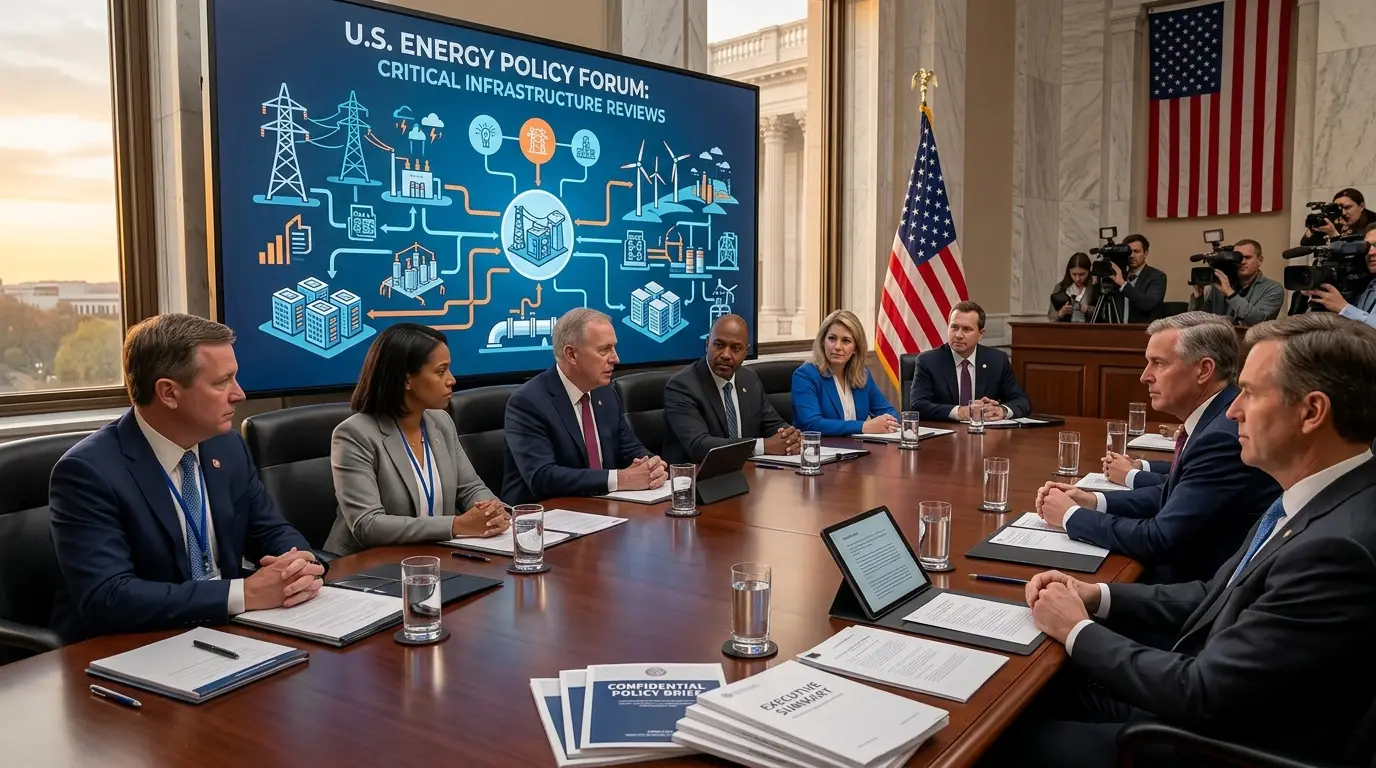


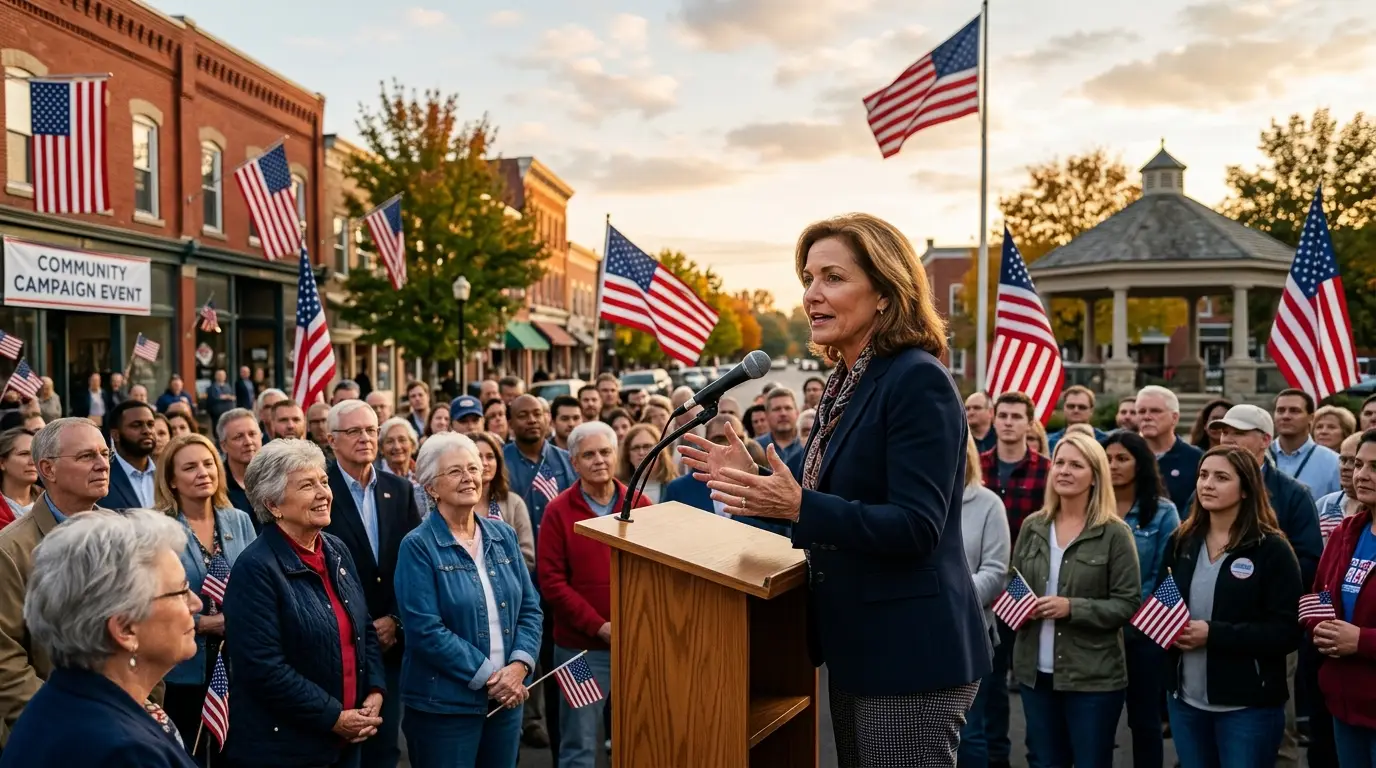


WASHINGTON — Republican candidates heading into the 2026 midterm elections are facing a delicate political calculation: how closely should they identify themselves with President Donald Trump?
While Trump remains a dominant force within the Republican Party, some candidates who secured their primary nominations have begun emphasizing their own political identities more strongly.
Balancing Trump Loyalty With Local Issues
The shift does not represent a broad Republican break with Trump. Most GOP candidates continue to support the president and recognize the importance of his political base.
But some candidates have removed prominent Trump references from campaign websites or shifted their messaging toward issues such as the cost of living.
The changes reflect a complicated electoral environment.
Trump remains highly influential among Republican voters and can help candidates mobilize supporters.
At the same time, candidates in competitive districts must appeal to independent voters and moderates who may have different views of the president.
The challenge is particularly significant in districts where the margin between Republicans and Democrats could be narrow.
Republican campaigns are therefore attempting to balance national politics with local concerns.
Economic conditions, inflation, energy prices, immigration and the war involving Iran are among the issues shaping the political environment.
Democrats are seeking to use disagreements over those issues to attract voters who may be uncomfortable with Trump's policies.
For Republicans, the calculation is straightforward but difficult: distancing themselves too much from Trump could weaken enthusiasm among core supporters, while embracing him too closely could create problems with voters who want a more independent representative.
The balance candidates choose during the final months of the campaign could influence competitive House and Senate races across the country.