



MIAMI — Miami officials are continuing to examine housing strategies as the city works to accommodate population growth while responding to rising development and affordability pressures.
Local housing policy has increasingly focused on making better use of available funding and expanding options for lower-income residents.
City Reviews Housing Priorities
The city's Housing and Community Development Department is working through several programs designed to support residents and encourage housing investment.
Recent public notices have included discussions involving local housing assistance plans and housing-related funding.
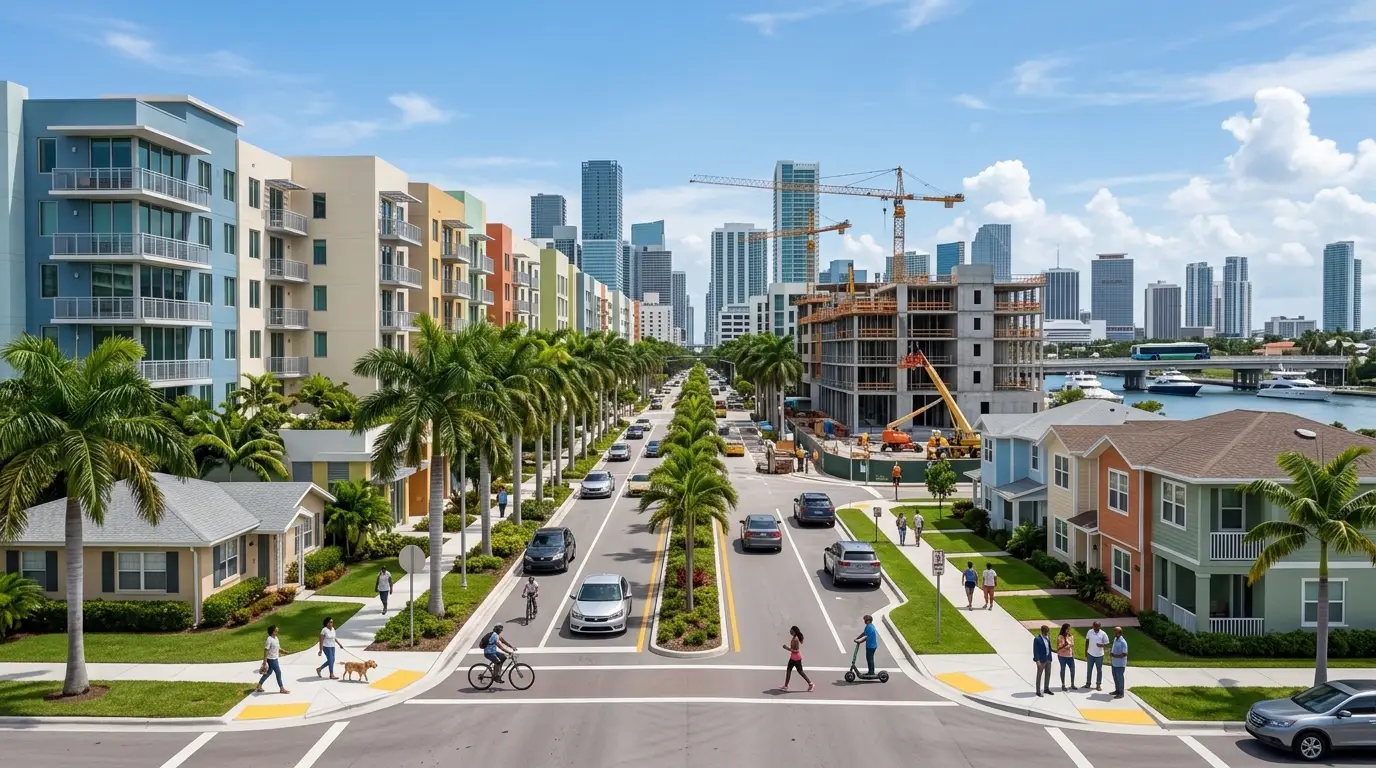
The challenge is particularly significant because Miami's property market includes some of the country's most expensive new developments.
Luxury construction has transformed parts of the city, attracting international investors and new businesses.
But the city also needs housing accessible to workers in hospitality, healthcare, transportation and other industries.
Housing affordability is therefore closely connected to Miami's broader economic future.
If workers cannot afford to live near their jobs, employers can face hiring difficulties.
Longer commutes can also increase traffic and transportation costs.
Developers and city officials are consequently looking at ways to increase housing supply.
Programs involving rehabilitation and alternative housing can supplement large-scale apartment construction.
The effectiveness of those programs will depend partly on available funding and the cost of construction.
Miami's rapid growth means housing policy is likely to remain a major local issue.
The city must balance its position as an international investment destination with the needs of residents who live and work there year-round.