



WASHINGTON — A federal judge has raised serious questions about President Donald Trump's latest attempt to restrict birthright citizenship, but declined to immediately block the policy.
The decision sets up another major legal battle over one of the administration's most controversial immigration policies.
Court Raises Constitutional Concerns
U.S. District Judge Deborah Boardman said she had serious doubts about the legality of Trump's latest executive order.
The order, signed August 6, seeks to limit citizenship for certain children born in the United States, including cases involving foreign diplomats, alleged fraudulent applications and people classified as "alien enemies."
Boardman did not immediately issue an injunction because the plaintiffs had not yet formally amended their lawsuit to challenge the new order.
The judge's comments nevertheless indicate that the policy is likely to face substantial constitutional scrutiny.
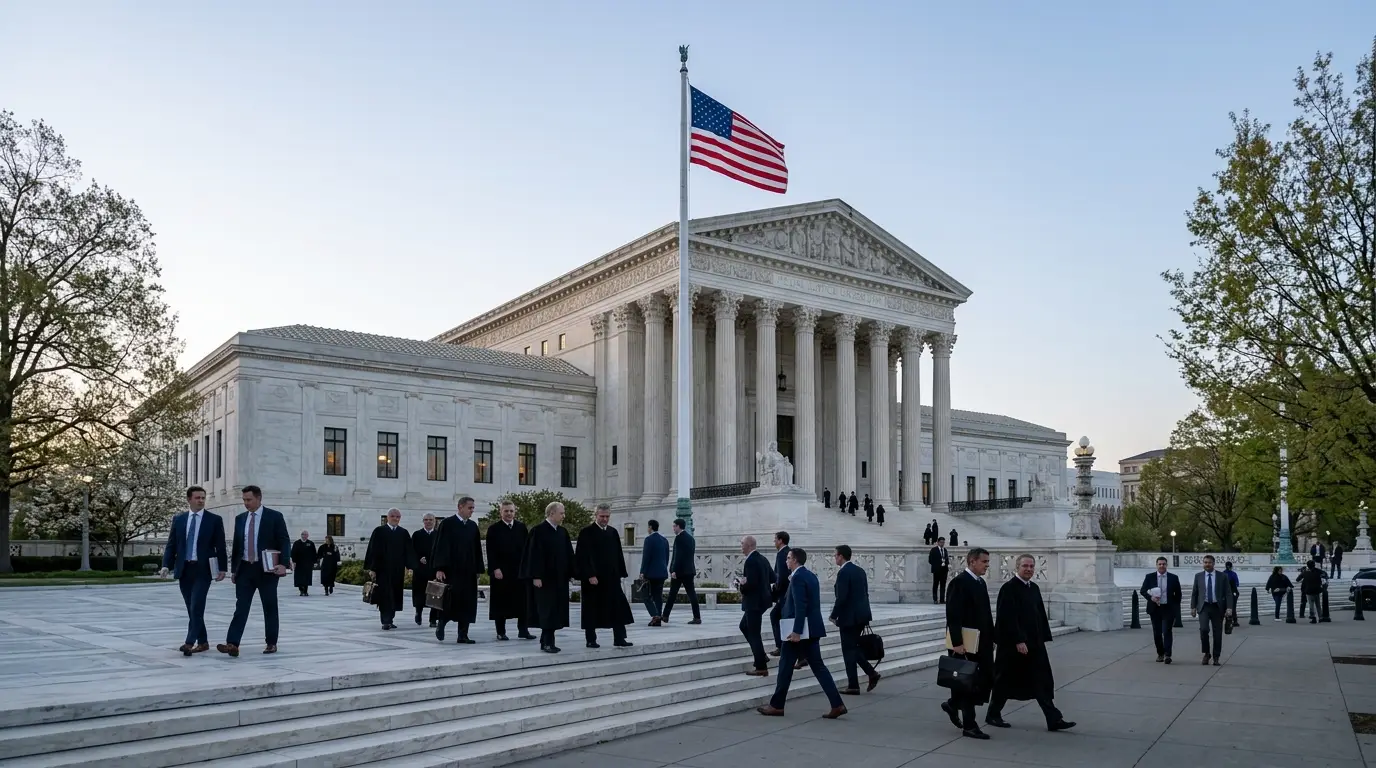
The dispute follows a major Supreme Court decision in June rejecting an earlier Trump effort to restrict birthright citizenship.
The 14th Amendment has long been interpreted as guaranteeing citizenship to people born in the United States, subject to narrow historical exceptions.
The administration argues that the Constitution allows additional restrictions and has specifically targeted what it calls birth tourism and fraudulent citizenship claims.
Immigrant-rights organizations strongly oppose the new order and are expected to update their legal challenge.
The Justice Department argues that courts should wait until federal agencies issue implementation guidance before intervening.
That guidance is expected by September 5.
The case could therefore move rapidly through the federal courts as officials prepare for implementation.
The dispute has broader implications for immigration policy.
If the administration succeeds, it could change the citizenship status of some children born in the United States and establish a new interpretation of the 14th Amendment.
If the courts block the order, the decision could reinforce existing constitutional protections.
The legal battle is likely to become one of the most closely watched immigration cases of the year.