



WASHINGTON — A federal judge has temporarily blocked a Trump administration rule that would impose new requirements on mail-in voting ahead of the November congressional elections.
The ruling represents another legal setback for the administration's efforts to change federal election procedures.
Court Says Rule Could Be Unlawful
U.S. District Judge Indira Talwani issued a temporary restraining order blocking implementation of the new postal voting requirements.
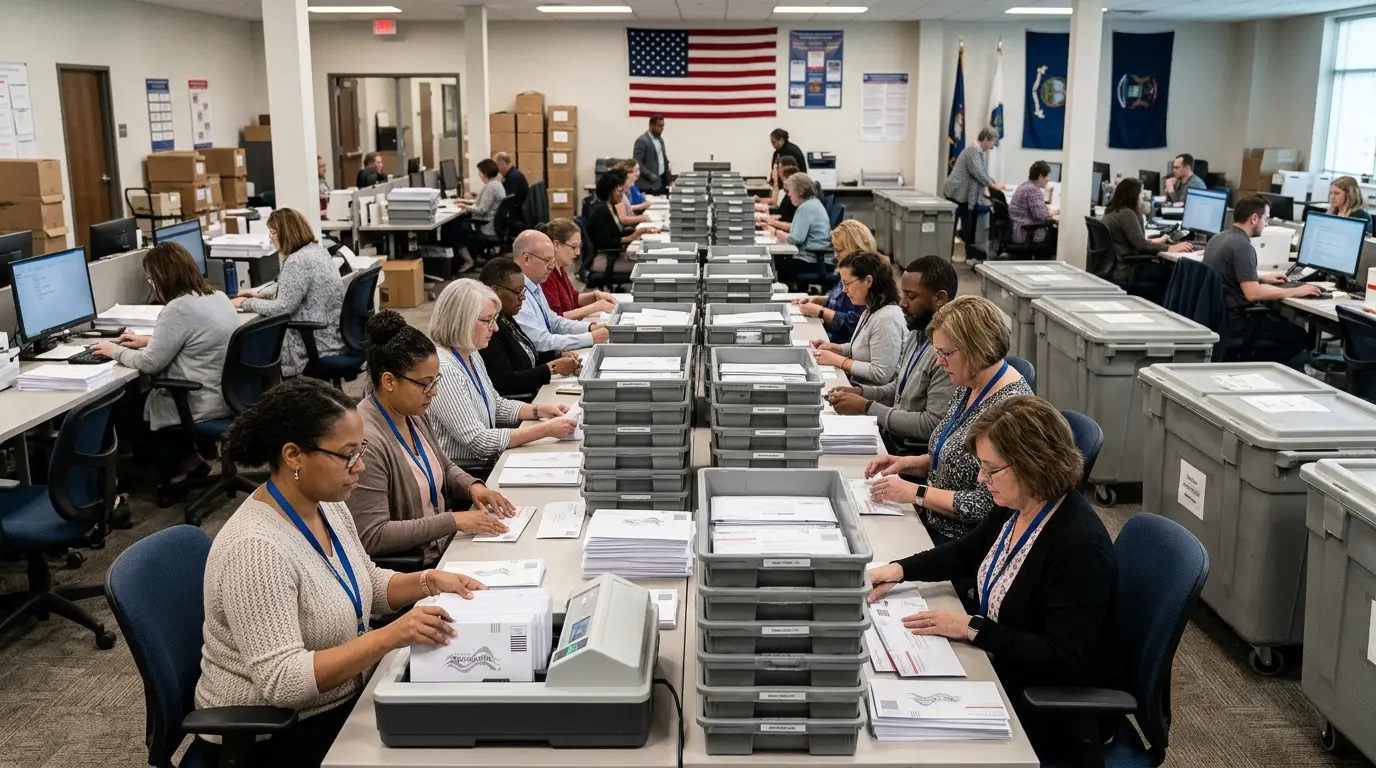
The rule would require states to obtain approval for mail-ballot envelopes and provide detailed voter information through a federal system.
Democratic-led states and voting-rights organizations argued that the administration had exceeded its constitutional authority.
The judge said the challengers were likely to succeed in arguing that the rule was unlawful.
The administration has argued that the changes are necessary to improve election security.
Officials supporting the rule say additional controls could help prevent fraudulent ballots and improve voter verification.
Opponents counter that there is little evidence of widespread fraud involving mail voting and warn that additional requirements could create confusion for election officials and voters.
The timing of the case is particularly important.
The 2026 midterms are approaching rapidly, and states are already preparing ballots.
More than 30% of voters used mail ballots in the 2024 election, meaning changes to the system could affect millions of Americans.
The legal battle is expected to continue.
A hearing scheduled for September 3 could determine whether the temporary block remains in place.
The dispute also raises a larger constitutional question over the division of authority between the federal government and individual states.
States have traditionally played the leading role in administering elections.
The Trump administration's efforts to establish more federal control have therefore generated significant legal and political opposition.
The outcome could influence election procedures well beyond the 2026 midterms.