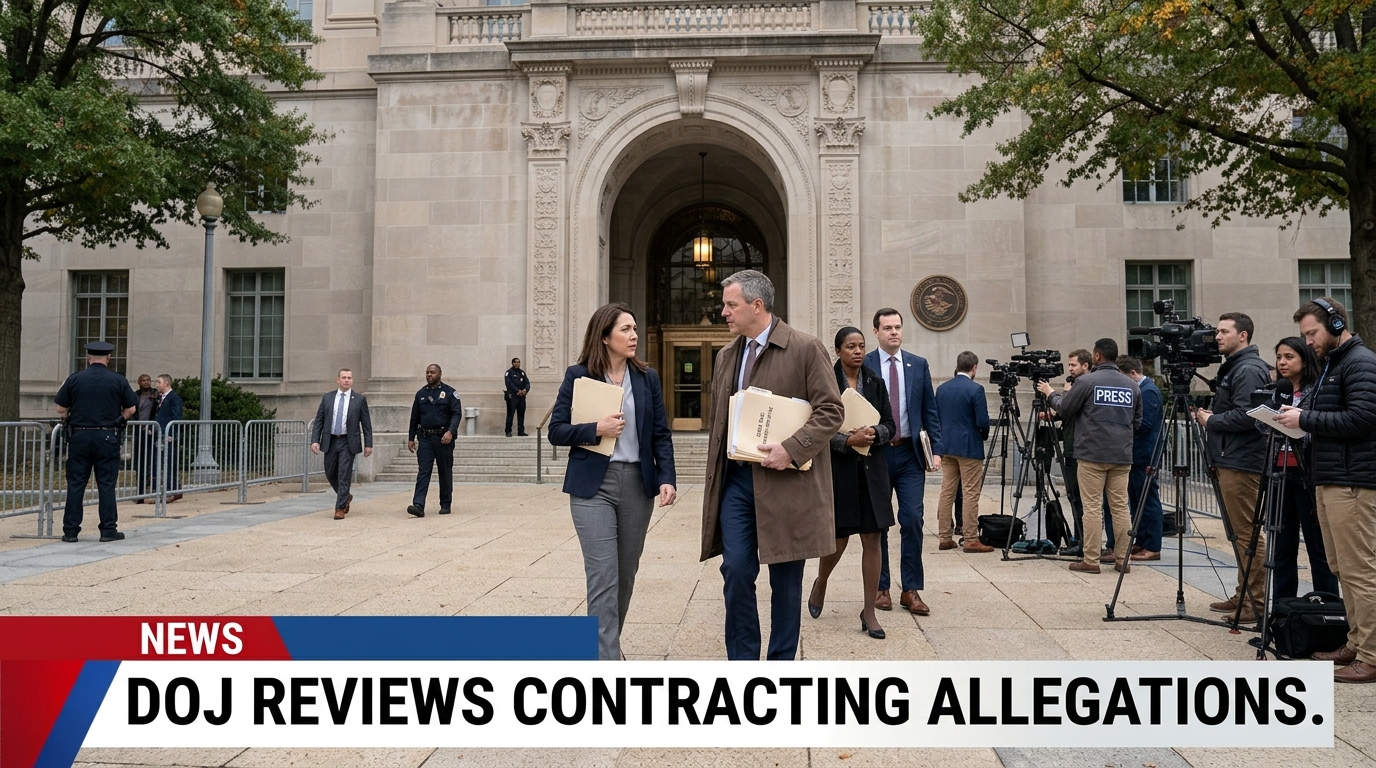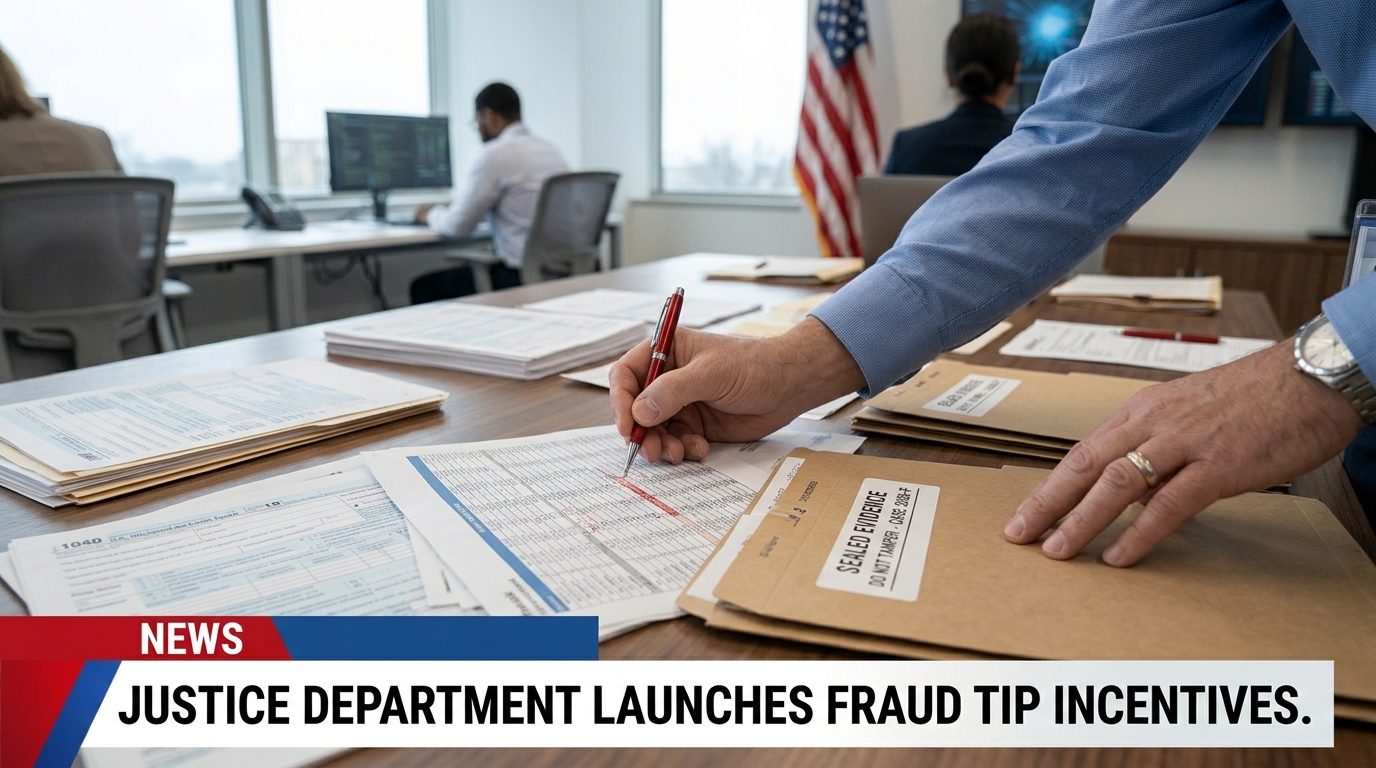


The U.S. Department of Justice has announced a whistleblower incentive program designed to encourage people to provide information that leads to criminal fraud charges. The initiative introduces a new approach to gathering evidence in cases where investigators may struggle to uncover wrongdoing from public records or conventional audits alone.
Whistleblower systems can help authorities identify suspected fraud by encouraging people with direct knowledge to come forward. Such information may come from employees, contractors, business partners or others who have seen potentially unlawful activity. Incentives can help overcome concerns about the personal or professional costs of reporting misconduct, although they also require safeguards to ensure claims are assessed carefully.
The department’s announcement describes a program offering up-front monetary awards for tips that lead to criminal fraud charges. The program’s operation will depend on its eligibility requirements, the standards used to evaluate submissions and the procedures for determining whether a tip meets the relevant criteria.
A report or tip is not proof of a crime. Investigators must assess the information, corroborate evidence where possible and follow applicable legal procedures before pursuing charges. Prosecutors, in turn, must meet the legal burden required in criminal proceedings.
The initiative raises policy questions about how the government can encourage useful information without creating incentives for false, exaggerated or strategically motivated allegations. Clear rules for screening tips, protecting sensitive information and evaluating claims will be important to maintaining public confidence.
For taxpayers and businesses, effective fraud enforcement can help protect public funds and deter abuse of government programs. But enforcement tools must also respect due process and ensure that people are not treated as guilty simply because someone has made an allegation against them.
The program provides another mechanism for federal investigators to identify suspected misconduct. Its long-term value will depend on the quality of information it produces, the fairness of its procedures and whether the resulting cases withstand scrutiny in court.