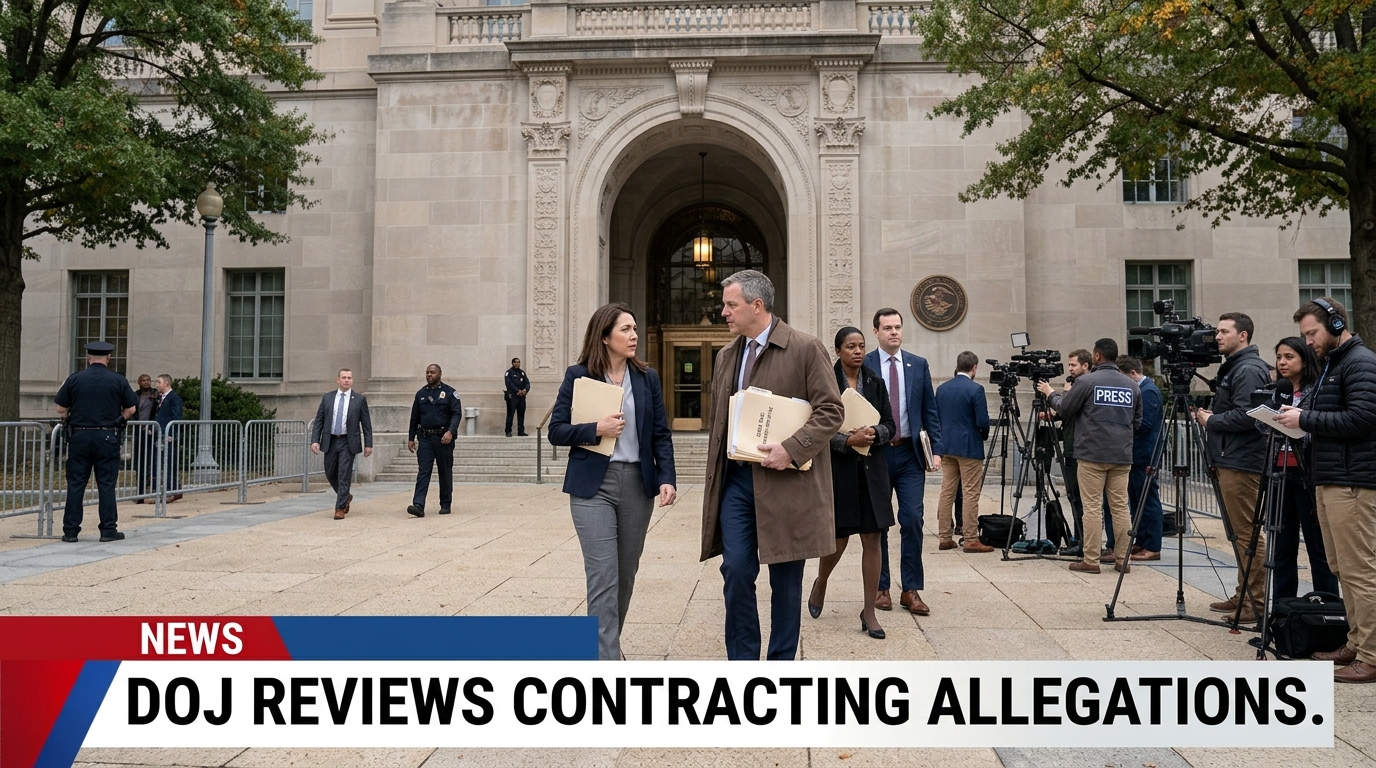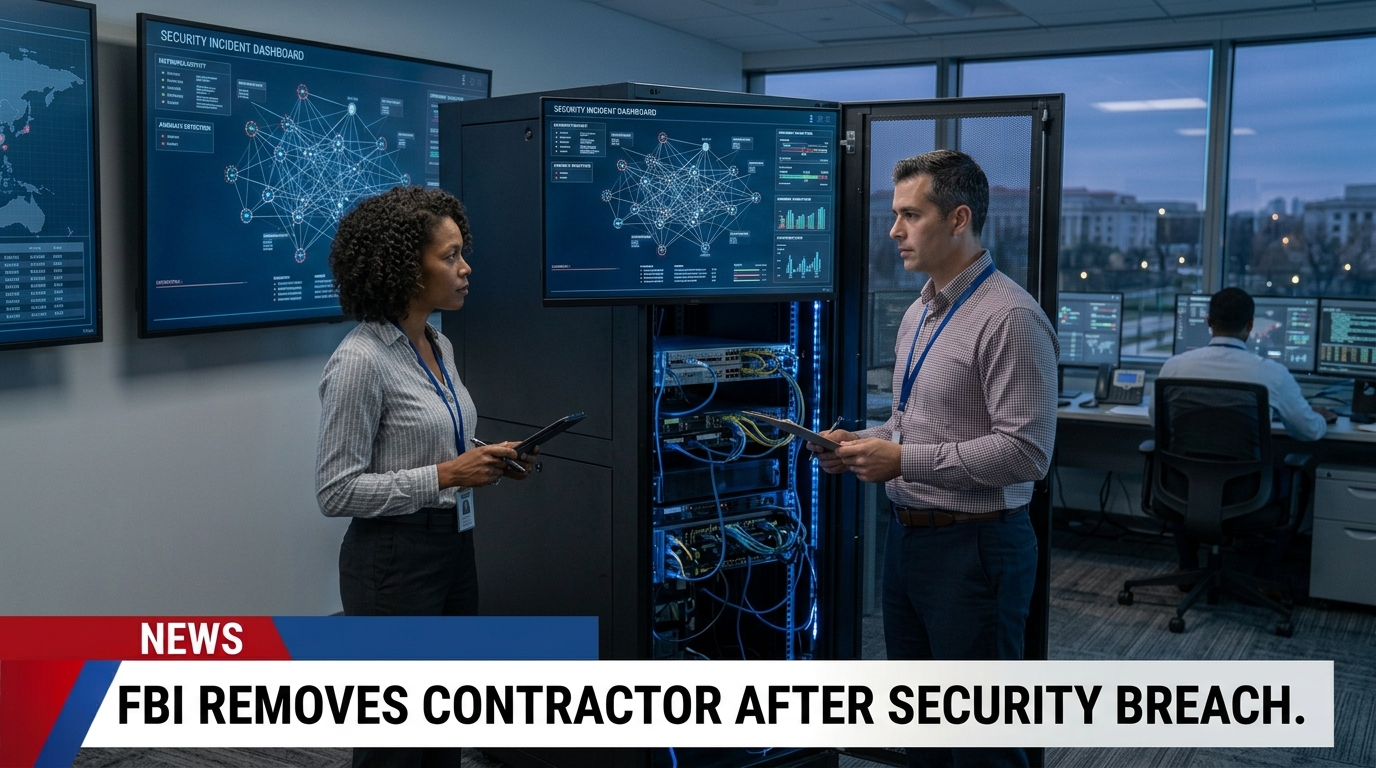


The FBI has removed a contractor following a security breach reportedly linked to a missed software patch, renewing scrutiny of how federal agencies supervise outside companies that support sensitive government systems.
The reported incident raises questions about basic cybersecurity maintenance, including how agencies track software vulnerabilities, confirm that security updates have been installed and verify that contractors comply with required standards. Delayed patching can leave systems exposed when a known weakness remains uncorrected, although the full significance of any breach depends on the systems affected and the information accessed.
Details about the incident’s scope and the data potentially involved have not been fully established in the public reporting referenced here. It would therefore be premature to conclude that particular intelligence, investigative records or personal information were stolen. The FBI and relevant oversight offices would need to establish what happened, which systems were affected and whether the breach was contained.
Federal agencies rely on contractors for a wide range of technical services. Outsourcing can provide specialized expertise, but it does not remove the government’s responsibility to manage risk. Contract terms, security audits, access restrictions and incident-reporting requirements all play a role in ensuring that third parties protect government information.
The incident also illustrates why cybersecurity programs require consistent maintenance rather than one-time compliance checks. A system may meet requirements when first deployed but become vulnerable as new weaknesses are discovered. Agencies must have procedures to identify affected software, prioritize urgent fixes and document exceptions when an update cannot be installed immediately.
Congressional committees and inspectors general may seek details about the contractor’s responsibilities, the agency’s monitoring process and whether similar weaknesses exist elsewhere. Any corrective action should be based on verified findings rather than assumptions about the cause or impact.
The FBI’s decision to remove the contractor is an administrative response; it does not by itself establish criminal wrongdoing. The broader lesson is that federal cybersecurity depends on clear accountability among agencies, contractors and technical teams.