



WASHINGTON — A federal judge has again blocked key portions of President Donald Trump's executive order restricting mail-in voting, setting up another legal confrontation just weeks before the 2026 midterm elections.
The decision creates additional uncertainty for election officials preparing ballots across the country.
Election Officials Face Tight Timeline
U.S. District Judge Indira Talwani ordered a temporary halt to implementation of the restrictions.
The administration's policy would require states to provide voter information to federal authorities and would impose additional requirements on mail-ballot envelopes and delivery.
The Trump administration argues that the measures are designed to prevent ineligible voters from receiving ballots.
Democratic-led states and voting-rights organizations argue that the federal government lacks constitutional authority to dictate many aspects of election administration.
The dispute is particularly urgent because mail ballots are expected to begin moving to voters shortly.
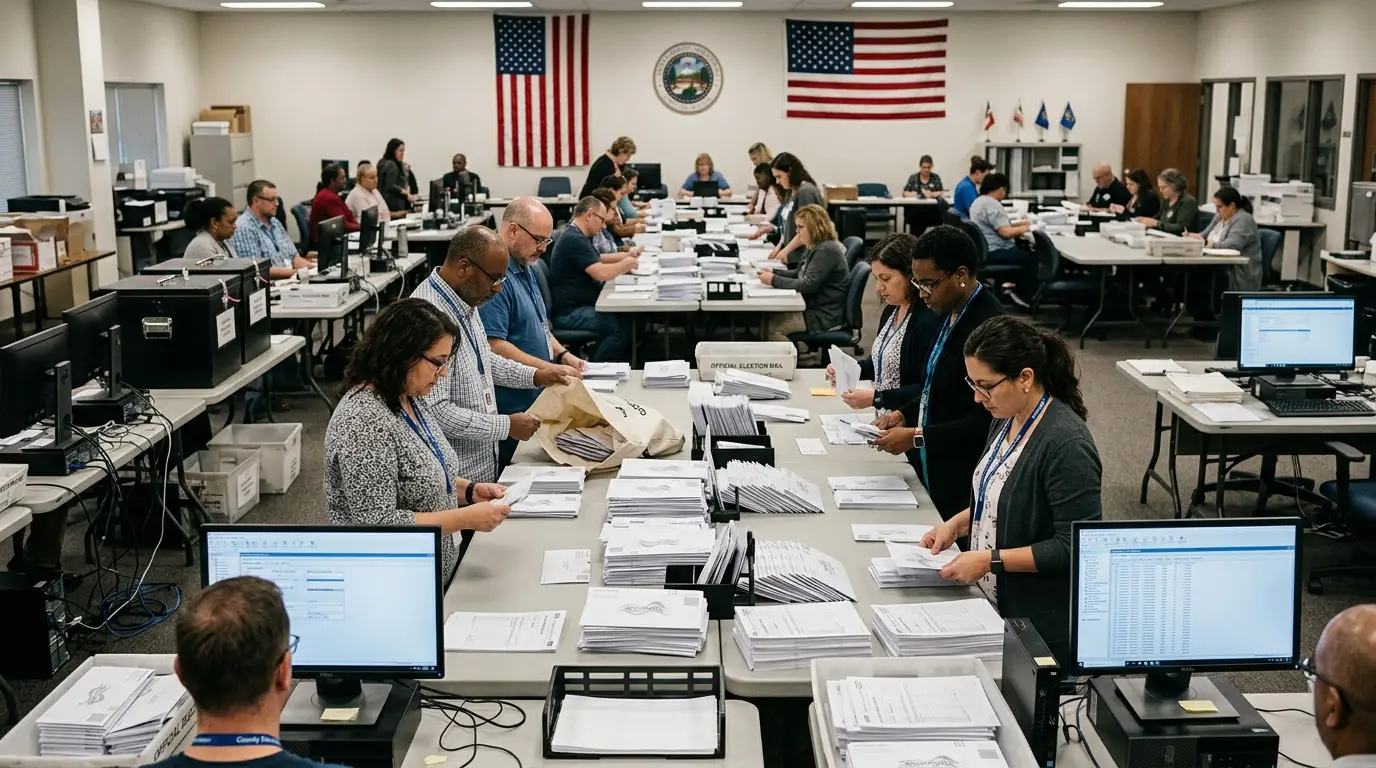
Nearly one-third of American voters used mail voting in the 2024 election, making any sudden change in federal rules potentially significant.
The Supreme Court previously allowed the administration to proceed on procedural grounds but did not settle the underlying constitutional questions.
The latest ruling means the legal fight is likely to continue.
A hearing is scheduled for September 3, while the administration is expected to seek further appellate review.
Election officials are concerned that prolonged litigation could create confusion about which rules apply in different states.
Because states administer elections under different systems, federal requirements can also create complicated implementation issues.
The dispute is therefore not simply a political disagreement.
It is also a logistical challenge for election administrators who need clear instructions before ballots are printed, distributed and returned.
The outcome could affect how millions of Americans vote in November.
The case also raises a broader constitutional question about the balance between federal election powers and the authority traditionally exercised by individual states.
With the midterms approaching, courts are likely to remain at the center of the national election debate.