

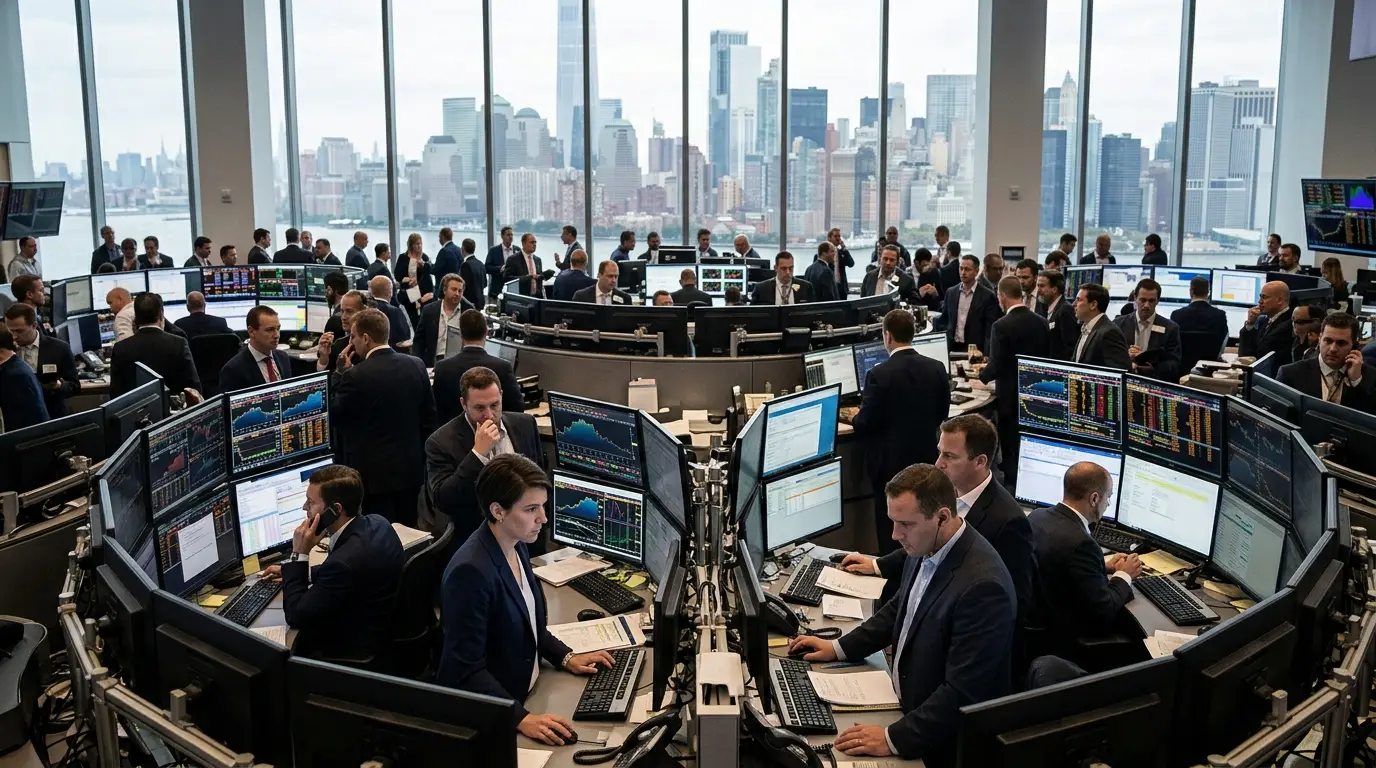


NEW YORK — Investors are entering September with renewed attention on the U.S. labor market as markets look for clues about the direction of interest rates and economic growth.
The latest employment figures are expected to play an important role in determining whether the Federal Reserve can continue easing monetary policy or needs to keep borrowing costs elevated.
Jobs Market Remains Key Economic Indicator
Financial markets have become increasingly sensitive to employment data because a weakening labor market could encourage policymakers to lower interest rates.
A stronger-than-expected economy, however, could keep inflation pressures elevated and make further rate cuts more difficult.
The uncertainty has created a challenging environment for investors.
Stocks have remained sensitive to interest-rate expectations, while Treasury yields have moved as traders assess the outlook for monetary policy.
Corporate executives are also watching borrowing costs closely.
Higher interest rates can increase the cost of financing acquisitions, construction projects and technology investments.
Smaller companies are particularly vulnerable because they tend to rely more heavily on bank lending.
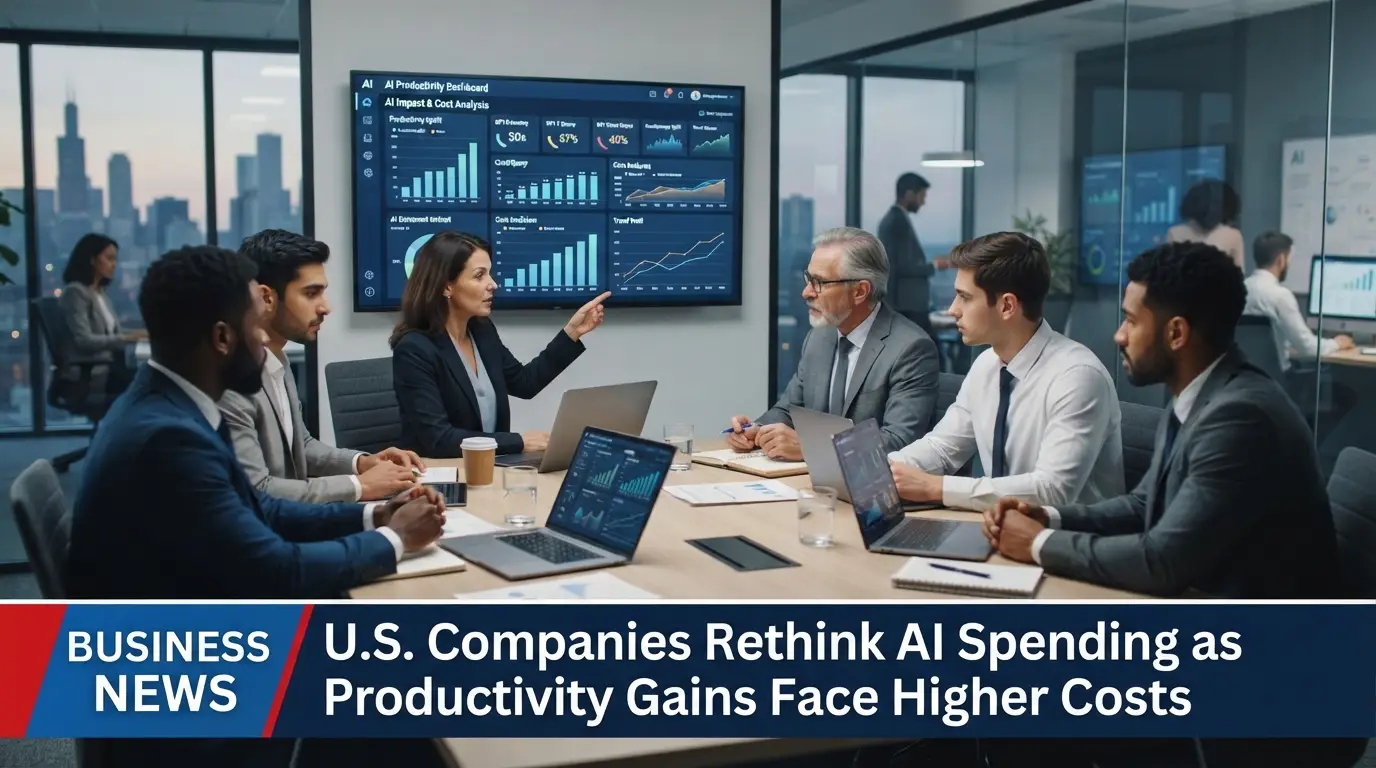
At the same time, businesses continue to invest heavily in artificial intelligence and automation.
The technology sector has remained one of the strongest parts of the market, but investors are becoming increasingly focused on whether large AI investments will generate sufficient profits.
September could therefore become an important month for financial markets.
Employment data, inflation figures and Federal Reserve communications will likely determine whether investors expect borrowing costs to fall further.
A weaker economy could support stocks if it encourages the Fed to cut rates, but an excessively weak labor market could raise concerns about corporate earnings.
For businesses and investors, the balance between inflation and employment remains one of the most important economic questions heading into the final months of 2026.