


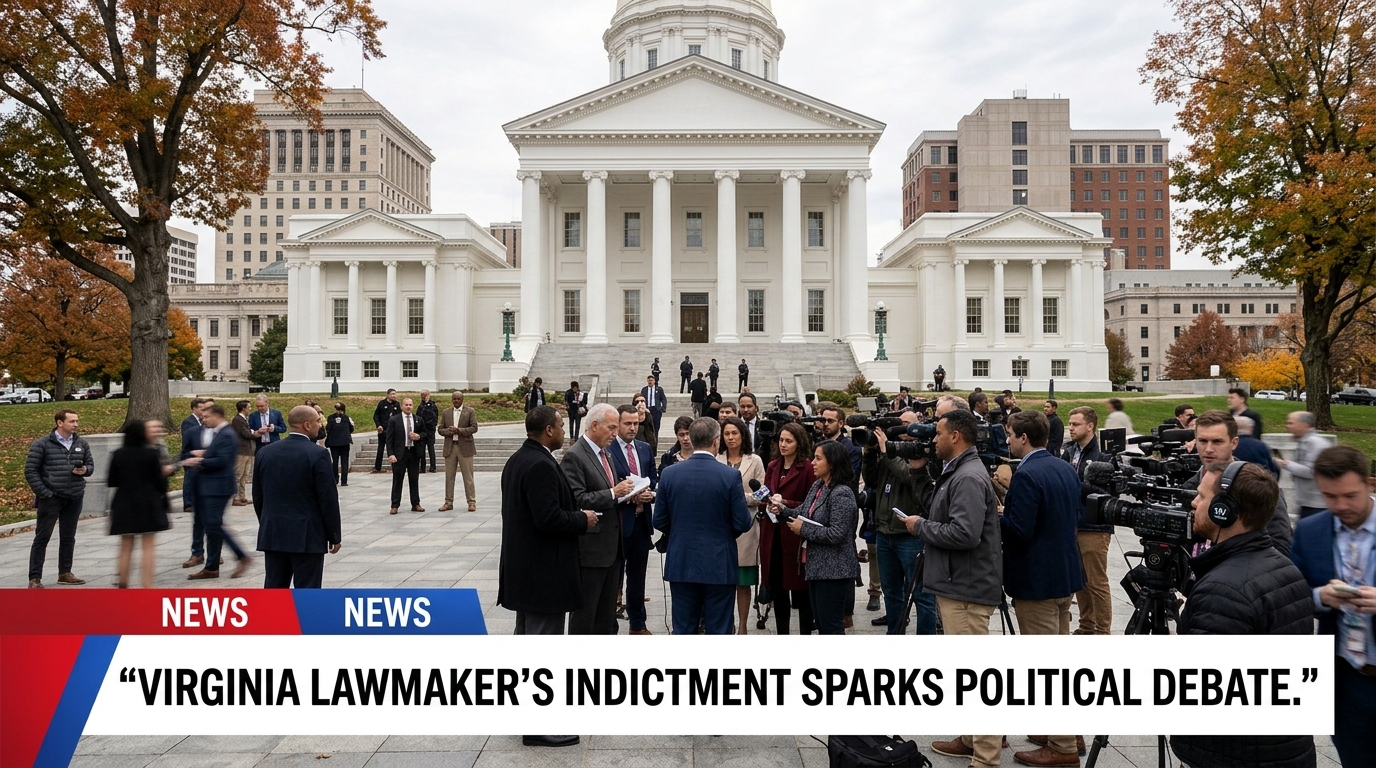


The federal indictment of Virginia state Senator L. Louise Lucas and six other people has sparked a political dispute over the case’s timing and the role of federal prosecutors in investigations involving prominent elected officials.
The indictment, reported on October 22, alleges that Lucas and the other defendants participated in an illegal marijuana business. Lucas has denied the accusations and described the case as politically motivated. Democratic leaders in Virginia have questioned the timing, while Attorney General Todd Blanche has rejected claims that the prosecution is driven by political considerations. Republicans have argued that the case should proceed through the legal system.
An indictment is a formal accusation, not a finding of guilt. The defendants are entitled to challenge the charges, present evidence and require prosecutors to prove their case in court. The fact that a public official has been indicted does not establish that the allegations are true.
The investigation reportedly began under the previous administration, with federal agents carrying out searches connected to Lucas’s offices and a cannabis business in May. That history is relevant to understanding the timeline, though it does not resolve disputes about the prosecution’s handling or ultimate merits.
Lucas is an influential figure in Virginia politics and has played a prominent role in state legislative negotiations. The case could affect her political influence and the work of the legislature, even though she is not on the ballot in the November midterm election.
The controversy also highlights a recurring challenge for the Justice Department: investigations involving elected officials can generate suspicion of political interference, especially when they unfold during a competitive election season. Prosecutors must apply the law impartially, while public officials and parties should avoid presenting unproven claims as established facts.
The legal process will determine how the allegations are tested, what evidence is admissible and whether the government can meet its burden of proof. Until then, the case remains a set of criminal charges accompanied by a political dispute over timing and motive.


