


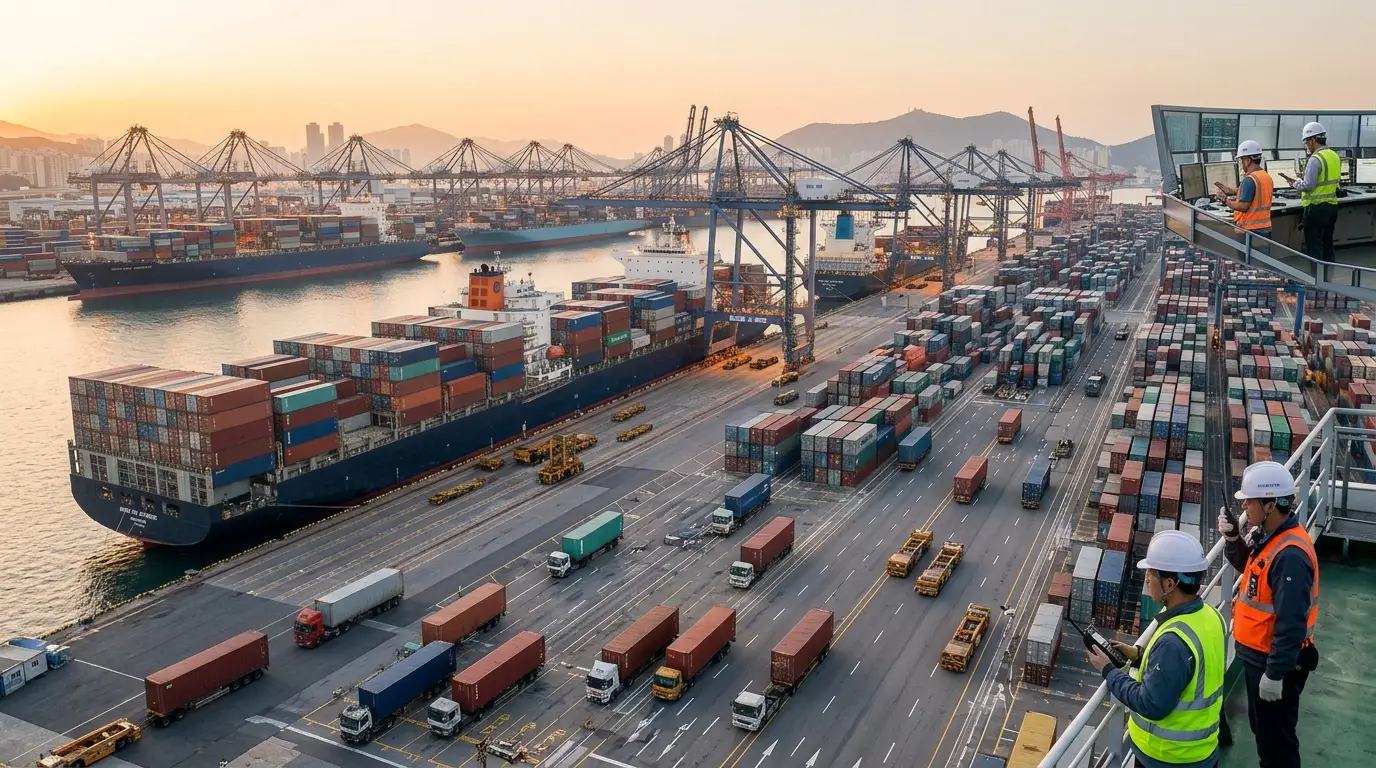


NEW YORK — American businesses are adjusting supply-chain strategies as disruptions to major international shipping routes continue to increase transportation costs and delivery times.
Manufacturers and retailers are looking for ways to reduce their exposure to unpredictable freight markets.
Companies Rethink Global Supply Chains
For many businesses, shipping costs have become an increasingly important part of operating expenses.
Longer maritime routes require more fuel, additional crews and increased insurance coverage.
Those costs can eventually affect the prices consumers pay for imported products.
Large companies are responding by diversifying suppliers and moving some production closer to their main markets.
The strategy, commonly known as nearshoring, has encouraged investment in Mexico and other parts of the Western Hemisphere.
Some companies are also increasing inventories to protect against delays.
That approach provides a buffer when shipments are disrupted but ties up additional capital.
Smaller businesses face a greater challenge because they generally have less purchasing power and fewer alternative suppliers.
Retailers are particularly sensitive to shipping disruptions ahead of major shopping periods.
A delay of several weeks can mean missing important sales opportunities.
Technology is becoming an important part of the response.
Companies are using supply-chain software and artificial intelligence to forecast demand, track shipments and identify potential disruptions.
The changes could permanently alter global commerce.
Businesses may accept somewhat higher production costs in exchange for more reliable supply chains.
For consumers, that could mean fewer shortages but potentially higher prices.
The global logistics industry is therefore entering a period of structural change.