

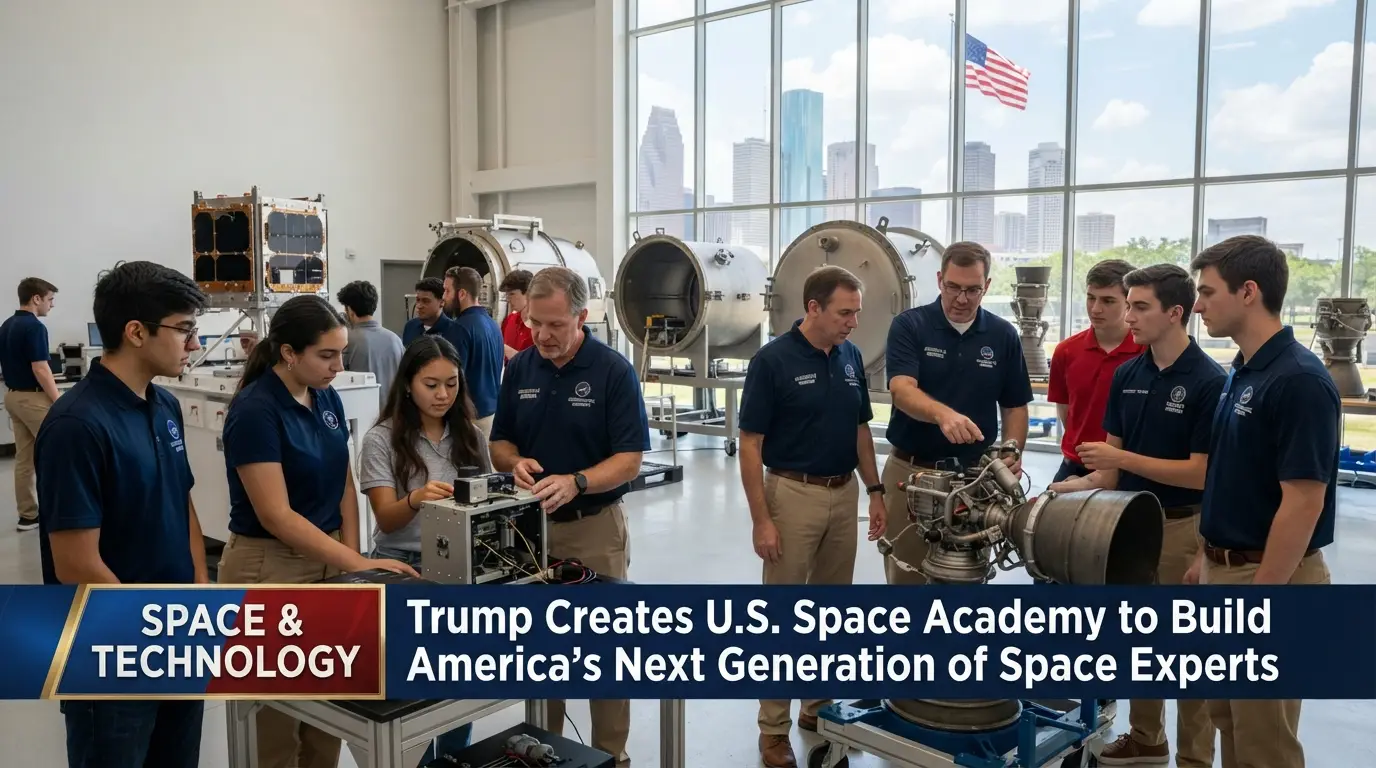


HOUSTON — The Trump administration is creating a new U.S. Space Academy designed to train the next generation of American professionals for an increasingly competitive space industry.
President Donald Trump signed an executive order establishing the academy, with NASA Administrator Jared Isaacman leading an eight-member commission tasked with developing the institution. Texas has been suggested as a possible location.
America's Space Economy Needs More Talent
The United States' space industry is expanding rapidly.
Private companies are developing rockets, satellites and communications systems while NASA continues planning new lunar missions.
The military is also increasing its reliance on space-based systems.
That growth has created demand for engineers, scientists, software developers and other specialists.
The proposed academy is intended to help address that need.
The institution would be modeled partly on established U.S. service academies.
Its exact structure, funding and location still have to be determined.
Texas could become a leading candidate because of its growing aerospace industry.
The state already hosts major space-related operations and a large network of aerospace companies.
The academy would also come at a time when the United States is preparing for increasingly ambitious missions.
NASA's Artemis program is focused on returning astronauts to the Moon.
Longer-term plans include eventual missions to Mars.
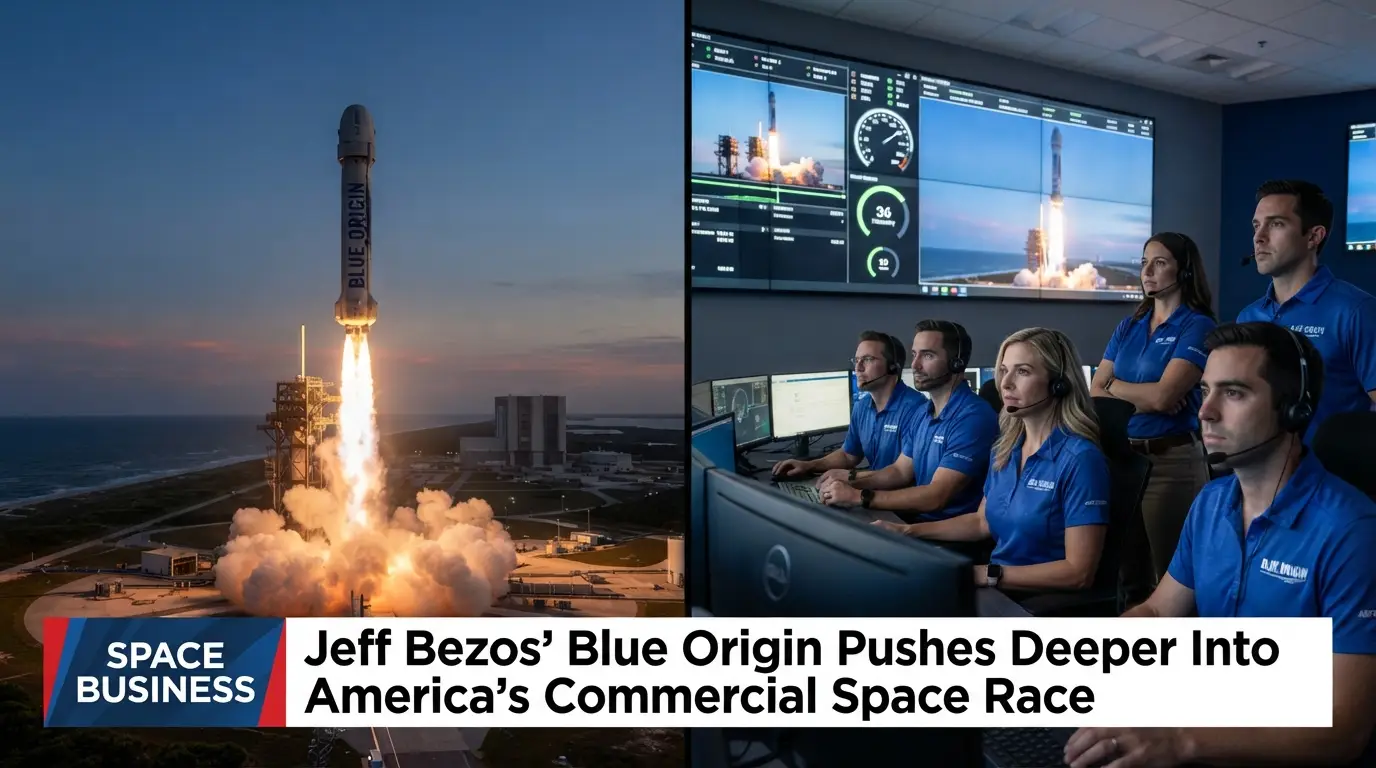
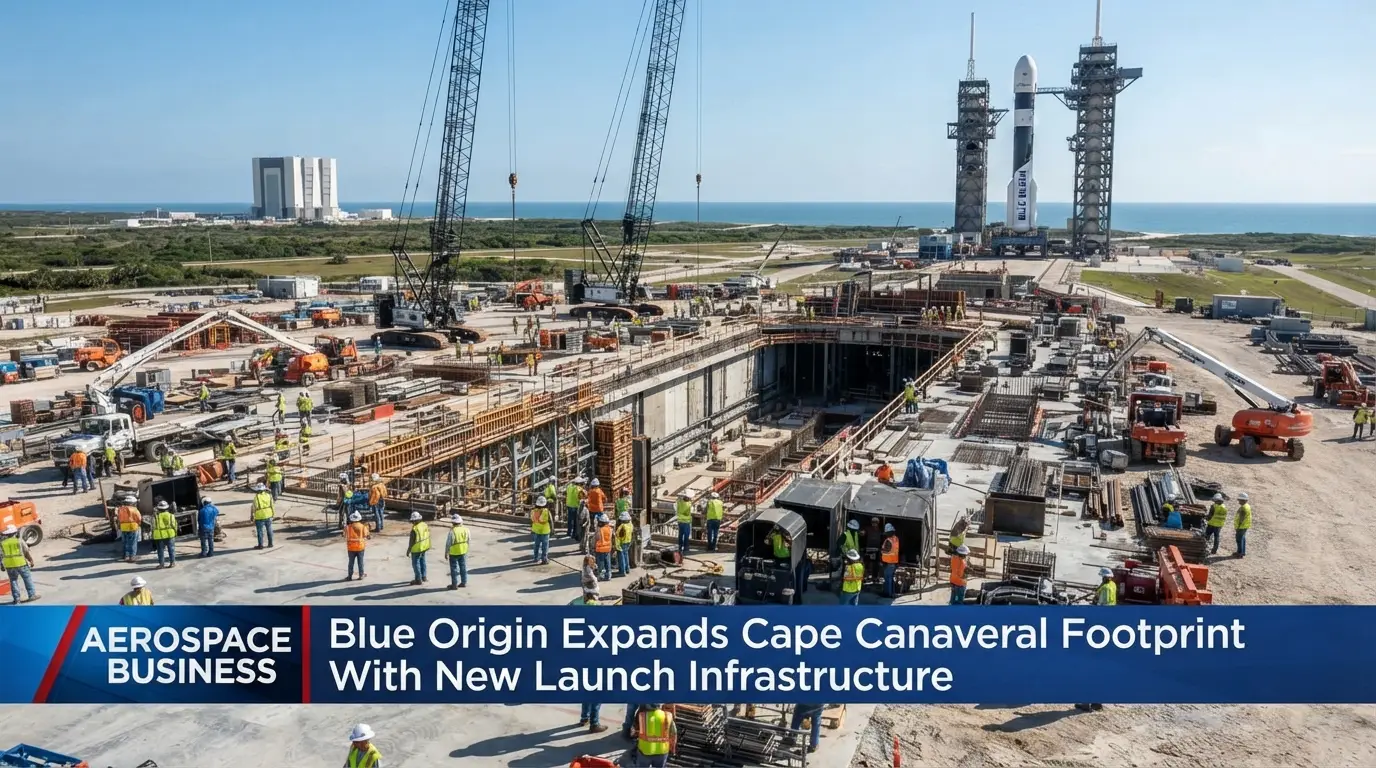
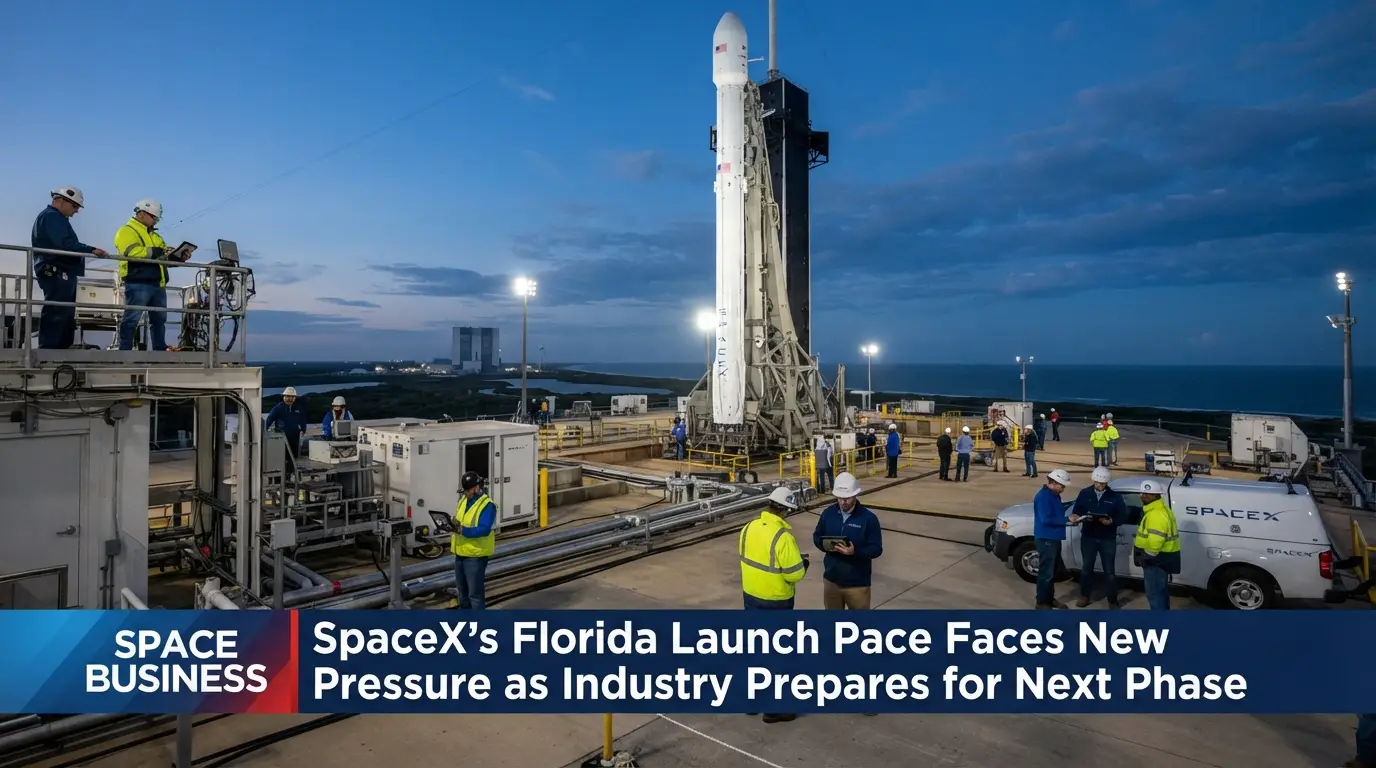
Private companies including SpaceX and Blue Origin are developing technologies that could support future missions.
The government's decision to create a dedicated educational institution reflects the strategic importance now being placed on space.
For American businesses, a larger pool of highly trained workers could support the expansion of the aerospace sector.
For policymakers, the academy could become another component of the country's effort to maintain technological leadership in space.
The project is still in its early stages.
But its creation signals that the U.S. government increasingly views space expertise as a national strategic resource.