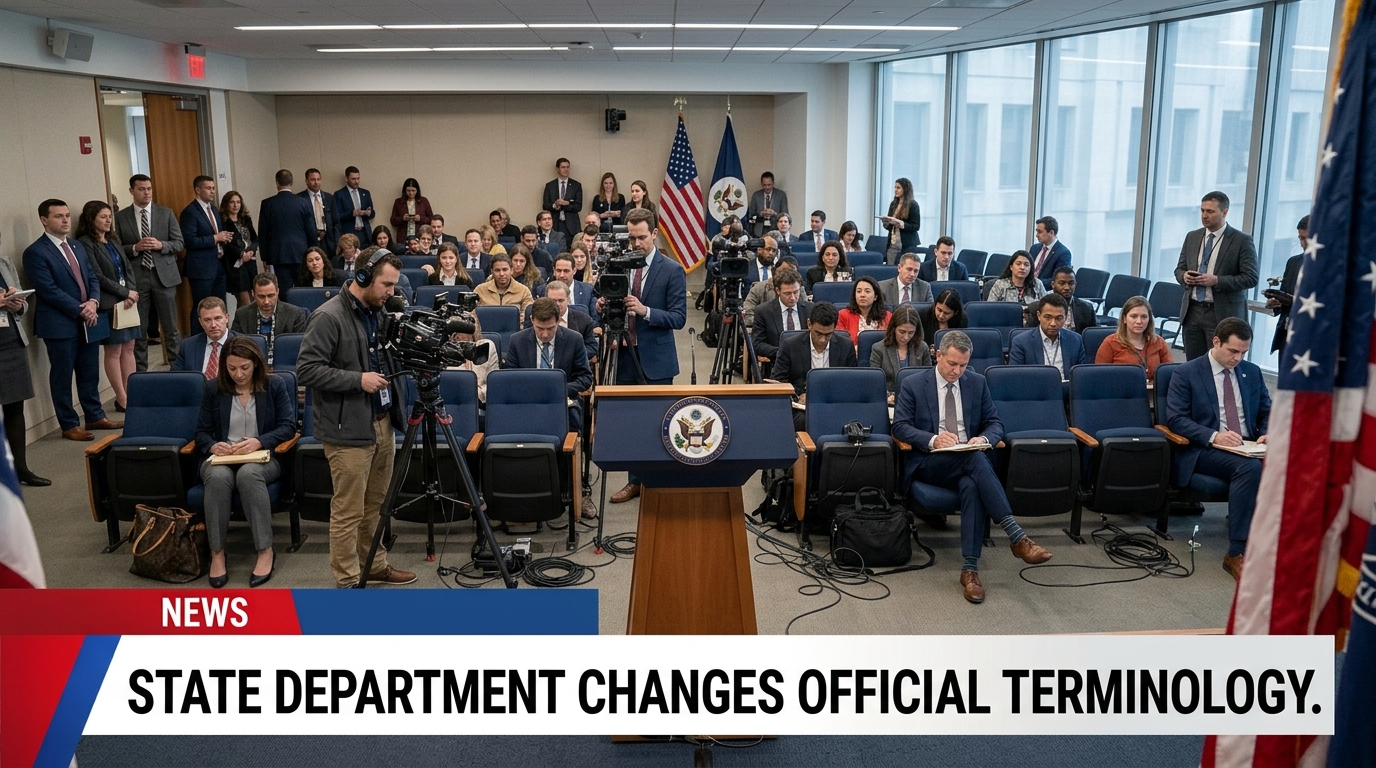


The State Department has directed staff to use the phrase “super intelligence” in official communications under a new internal instruction, according to reporting published this week. The directive reportedly applies to emails, speeches, websites and official titles while preserving established legal terminology and historical records.
The instruction illustrates how language choices can become part of government policy. Internal communications guidance may appear administrative, but changes to official terminology can influence how agencies describe priorities, frame public statements and communicate with overseas audiences.
The State Department’s work makes wording particularly consequential. Its public statements are read by foreign governments, diplomats, journalists and international organizations. Even when a terminology change is not a change in law or diplomatic policy, it can affect how audiences interpret the administration’s priorities.
The reported instruction does not indicate that the underlying legal definitions of intelligence, technology or national-security functions have automatically changed. Formal statutory terms and existing legal records remain governed by the language adopted through law and established administrative processes.
The directive also raises practical questions about implementation. Staff must know which documents require revised wording, whether previously published material should remain unchanged and how the new phrase should be used when communicating with foreign-language audiences. Consistent guidance can help prevent confusion, particularly where an internal phrase differs from terminology used in legislation or technical practice.
More broadly, government agencies routinely issue style guidance to promote consistency across publications. Such guidance can become politically contentious when it is viewed as ideological messaging rather than a neutral editorial standard.
The policy’s significance will depend on how broadly it is enforced, whether other departments adopt similar instructions and how officials explain the intended meaning of the phrase. For now, the reported change is an internal communications directive, not evidence that Congress has amended intelligence law or created a new legal category.