


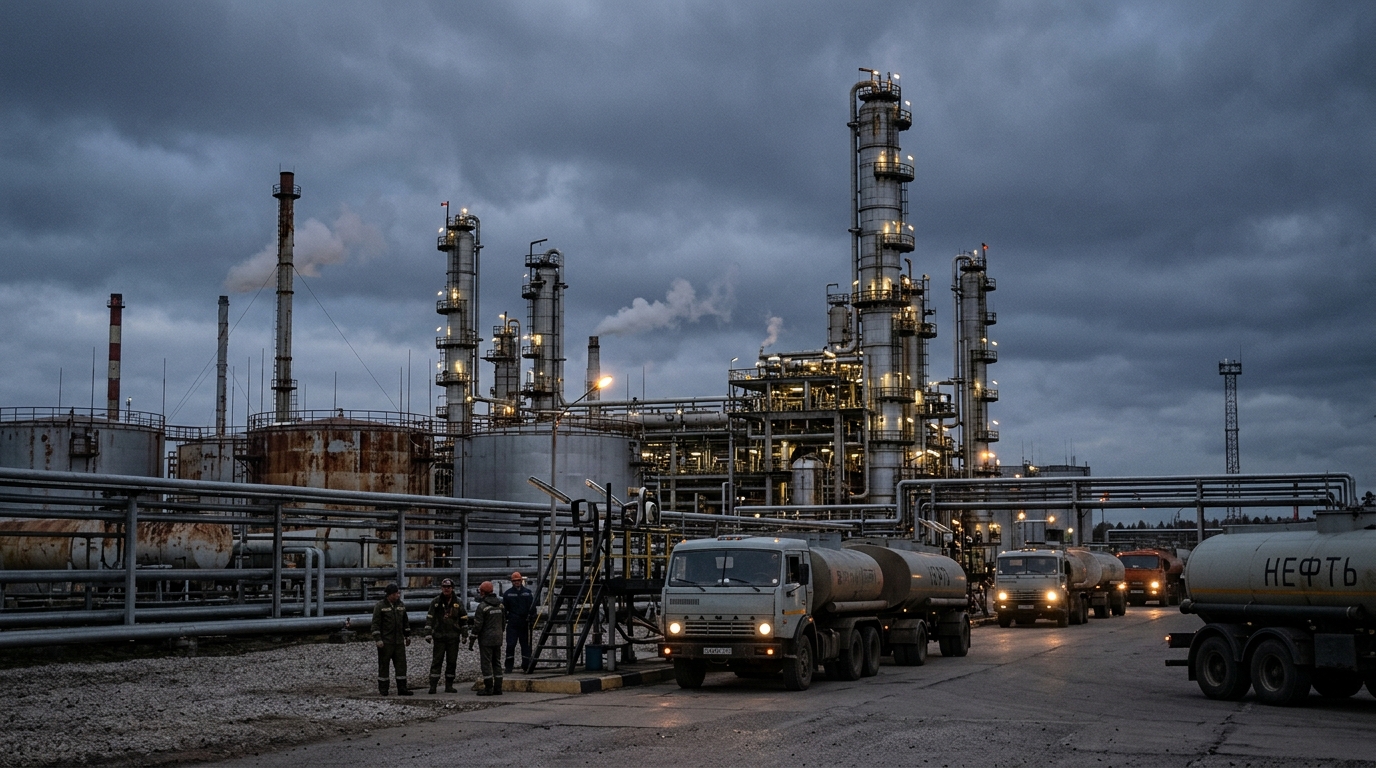


MOSCOW — Russia has extended restrictions on diesel exports until September 30 as the government attempts to stabilize its domestic fuel market amid continuing supply pressures.
The Russian government said Saturday that the extended restrictions also cover marine fuel and gas oils shipped by Russian producers.
Refinery Disruptions Add to Fuel Pressure
The decision follows several extensions of Russia's fuel export restrictions as domestic shortages have persisted.
Several Russian refineries have experienced disruptions after repeated Ukrainian drone attacks, reducing refining capacity and complicating fuel supplies.
Russia is normally one of the world's largest diesel exporters, ranking second globally behind the United States. Restrictions on exports therefore have implications beyond the country's domestic market.
The latest measures are intended to prioritize domestic consumers and maintain fuel availability inside Russia.
Moscow has also imposed other restrictions. Diesel exports by non-producers and motor gasoline exports have been restricted through January 2027, while jet fuel exports are restricted through November.
The policy illustrates how the war in Ukraine is continuing to affect Russia's energy infrastructure and domestic economy.
For international fuel markets, the export restrictions could reduce the amount of Russian refined products available to buyers and potentially increase competition for alternative supplies.
The effect will depend partly on how long Russian refinery disruptions continue and whether other major fuel-producing countries can compensate for reduced Russian exports.
The latest move also demonstrates the difficulty Moscow faces in balancing its role as a major energy exporter with the need to keep domestic fuel supplies stable.
For businesses involved in shipping, transportation and energy trading, Russian fuel policy will remain an important factor to watch as the global energy market enters the final months of 2026.