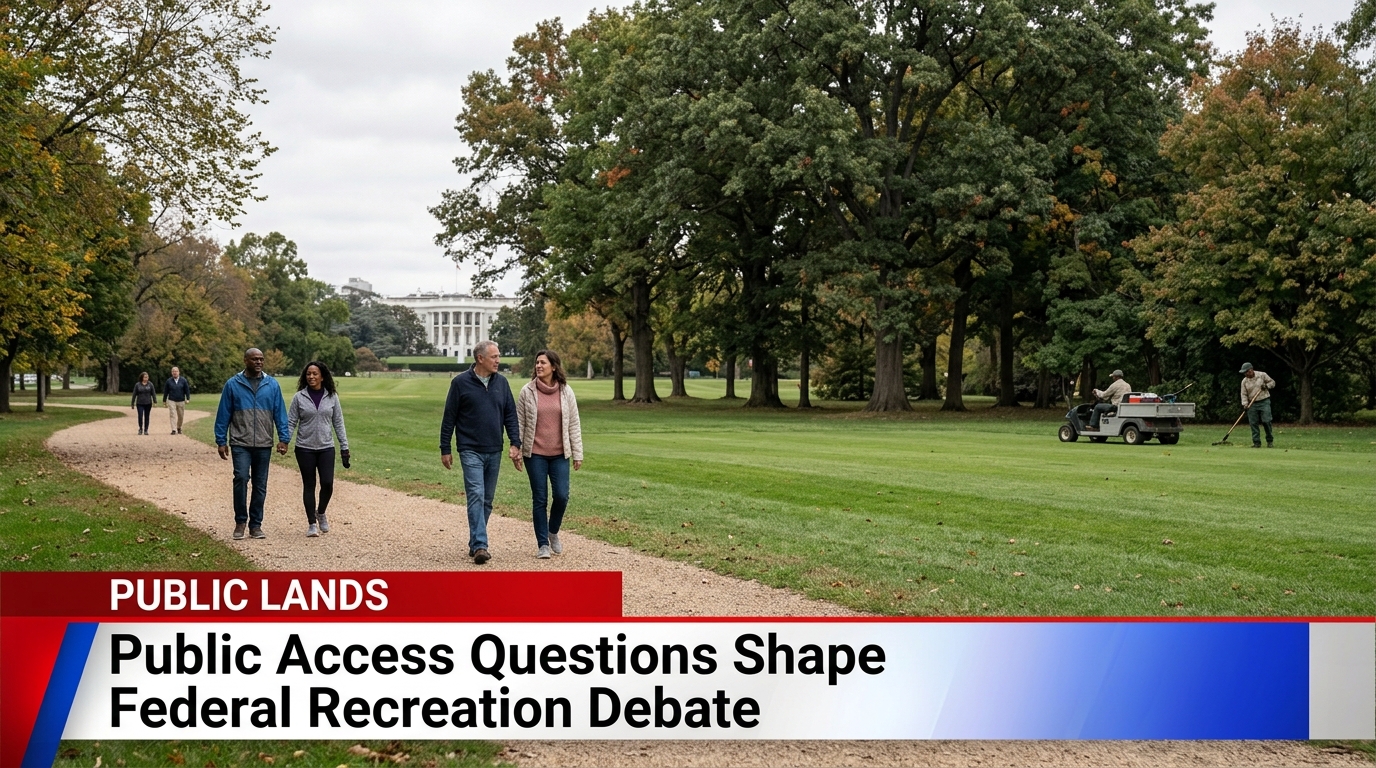


Plans to modernize federally managed recreation facilities can involve a difficult balance between upgrading infrastructure and preserving public access. The debate has become more visible in Washington, where proposed changes to a historic public golf property have raised questions about how the government manages land intended for public use.
The dispute illustrates a wider policy issue: federal recreation sites are not simply facilities to be renovated. They are public assets governed by legal requirements, historical considerations and expectations about access.
What public land represents
Public recreation areas can serve many groups, including golfers, walkers, cyclists, families, anglers and visitors who use the surrounding grounds without participating in a single organized activity. Changes to a site can therefore affect more people than those directly involved in its main recreational purpose.
Renovation may offer benefits, such as improved facilities or better maintenance. But large-scale redevelopment can also alter access, change the character of a place or require decisions about historic features and environmental effects.
The importance of process
Federal land managers must follow the laws and procedures that apply to the property. Depending on the project, those requirements may include environmental review, historic-preservation obligations, consultation and opportunities for public input.
A proposal announced by a president or agency does not necessarily constitute final authorization for every component of a project. Likewise, a temporary court order may pause certain activities without determining the ultimate legality of the full redevelopment.
Public accountability
Local residents, preservation organizations and other interested parties may seek judicial review if they believe the government has failed to follow applicable requirements. Courts evaluate the legal claims and evidence, while agencies remain responsible for explaining the decisions they make.
The central policy question is how to improve public facilities without bypassing the safeguards that govern federal land. As redevelopment proposals continue to emerge, transparency about costs, plans, access and environmental consequences will remain essential to maintaining public confidence.