


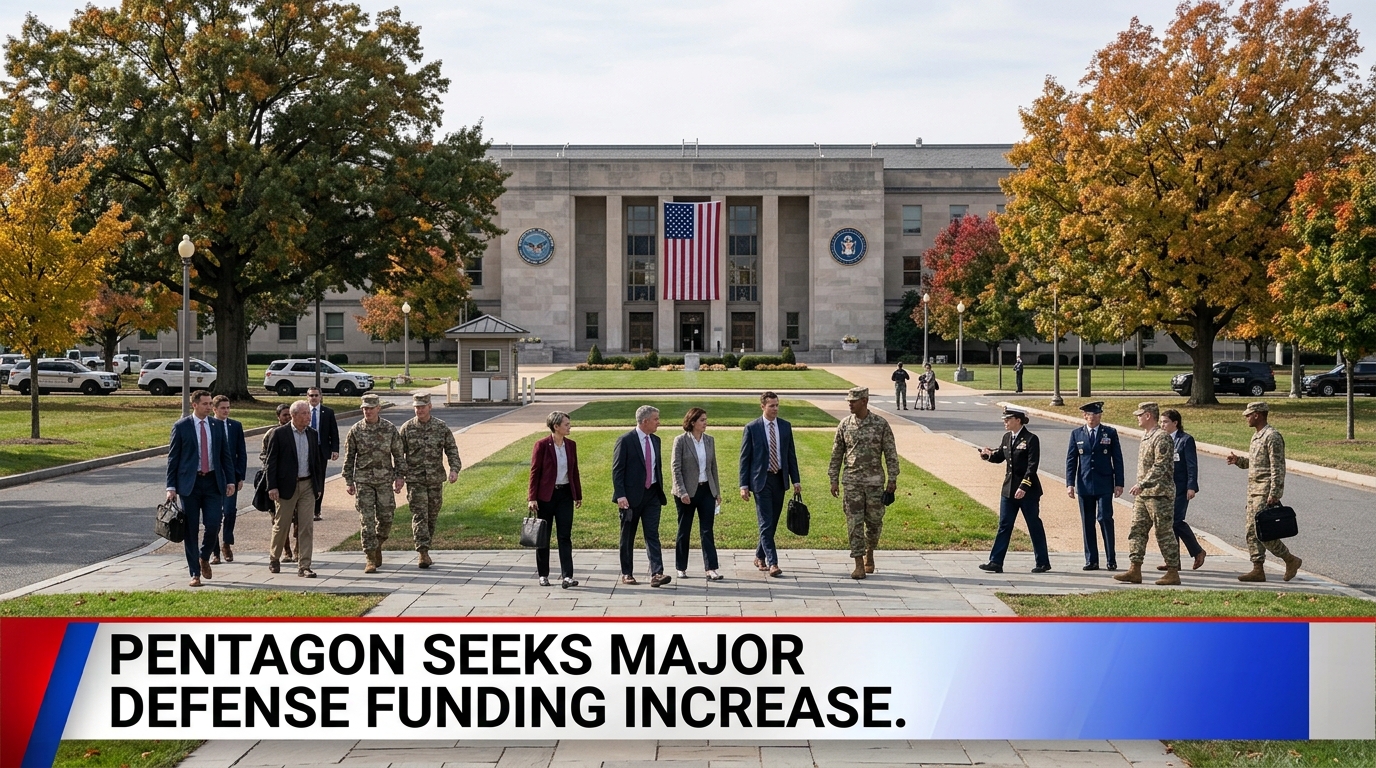


The Pentagon is continuing to press Congress for a major increase in defense funding, but key decisions about the fiscal 2027 budget remain unresolved as lawmakers approach the November midterm elections.
The administration has proposed a large defense budget that includes additional mandatory spending through a separate reconciliation process. Defense Secretary Pete Hegseth has said the department wants substantial resources for autonomous systems and robotics, including plans for a new command focused on autonomous warfare. The administration’s broader request includes hundreds of billions of dollars beyond regular defense funding.
The proposals have not all become law. Congress must distinguish between authorization bills, which establish policies and approve programs, and appropriations legislation, which actually provides the money. Both chambers have considered defense legislation, but the full set of measures required to enact the fiscal 2027 funding plan remains incomplete.
The proposed increase faces competing priorities. Supporters argue that the Pentagon needs resources to modernize military capabilities and respond to national-security challenges. Critics have questioned the scale of the request, the limited public detail available for some funding lines and the effect that additional defense spending could have on federal borrowing and other programs.
The administration has also tied some plans for autonomous systems to a proposed reconciliation bill. That creates uncertainty because reconciliation requires Congress to agree on a budget framework and legislative language that can pass under the procedure’s special rules. If the additional funding does not advance, the Pentagon may have to consider alternative ways to finance its priorities.
The issue is likely to remain a significant congressional responsibility after the election. Lawmakers will have to decide which programs deserve funding, what reporting requirements should accompany new spending and whether the department’s requested priorities align with congressional assessments of military needs.
Until the relevant measures are enacted, proposed budget totals and planned initiatives should not be treated as guaranteed spending. The debate is about the scale, structure and oversight of future defense investment—not a final determination that every requested program will receive funding.


