

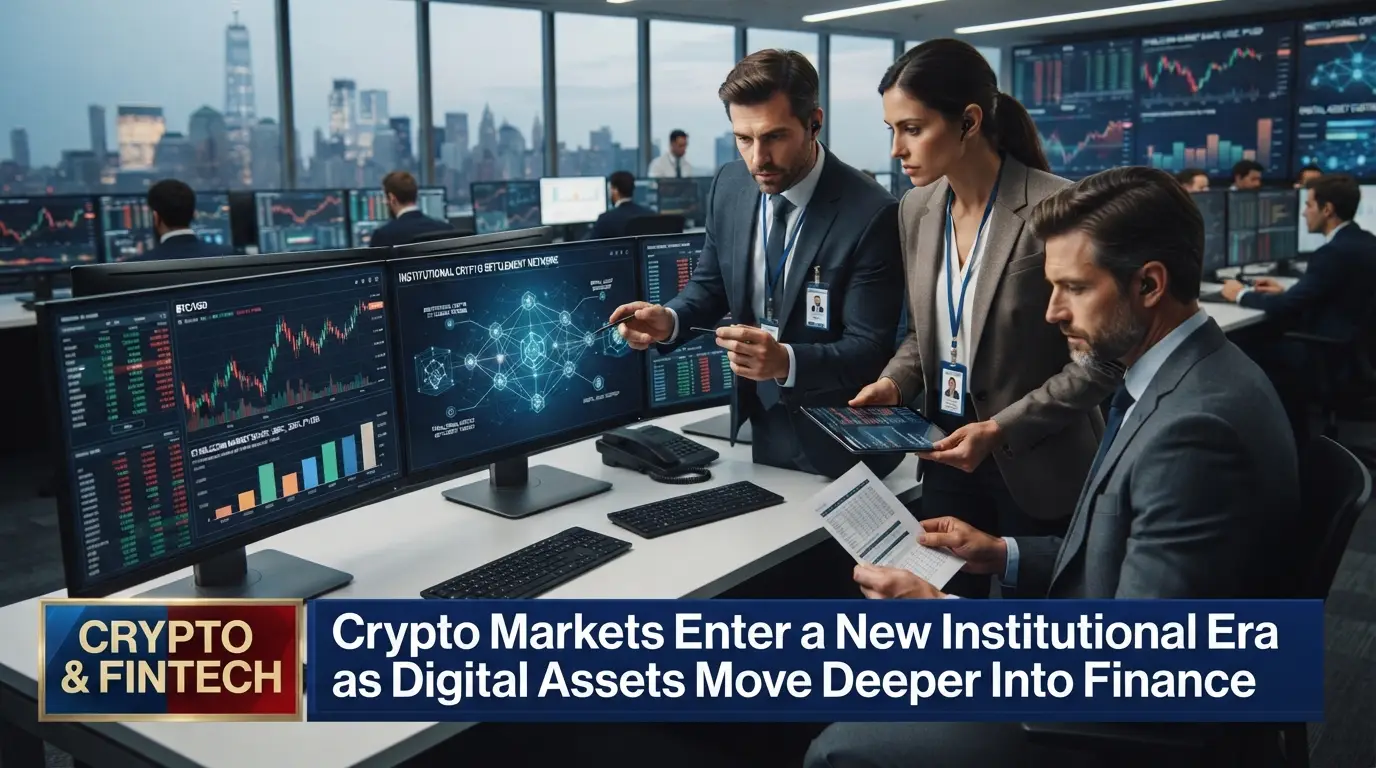


NEW YORK — Cryptocurrency markets are entering a more institutional phase as banks, asset managers and payment companies expand their involvement in digital assets.
The shift is changing how investors view Bitcoin, stablecoins and blockchain-based financial products.
Wall Street Moves Closer to Crypto
Large financial institutions are developing custody services, trading platforms and investment products linked to digital assets.
The expansion is giving professional investors easier access to crypto markets.
It is also increasing regulatory pressure.
Banks and asset managers must comply with rules involving customer protection, market manipulation, money laundering and financial reporting.
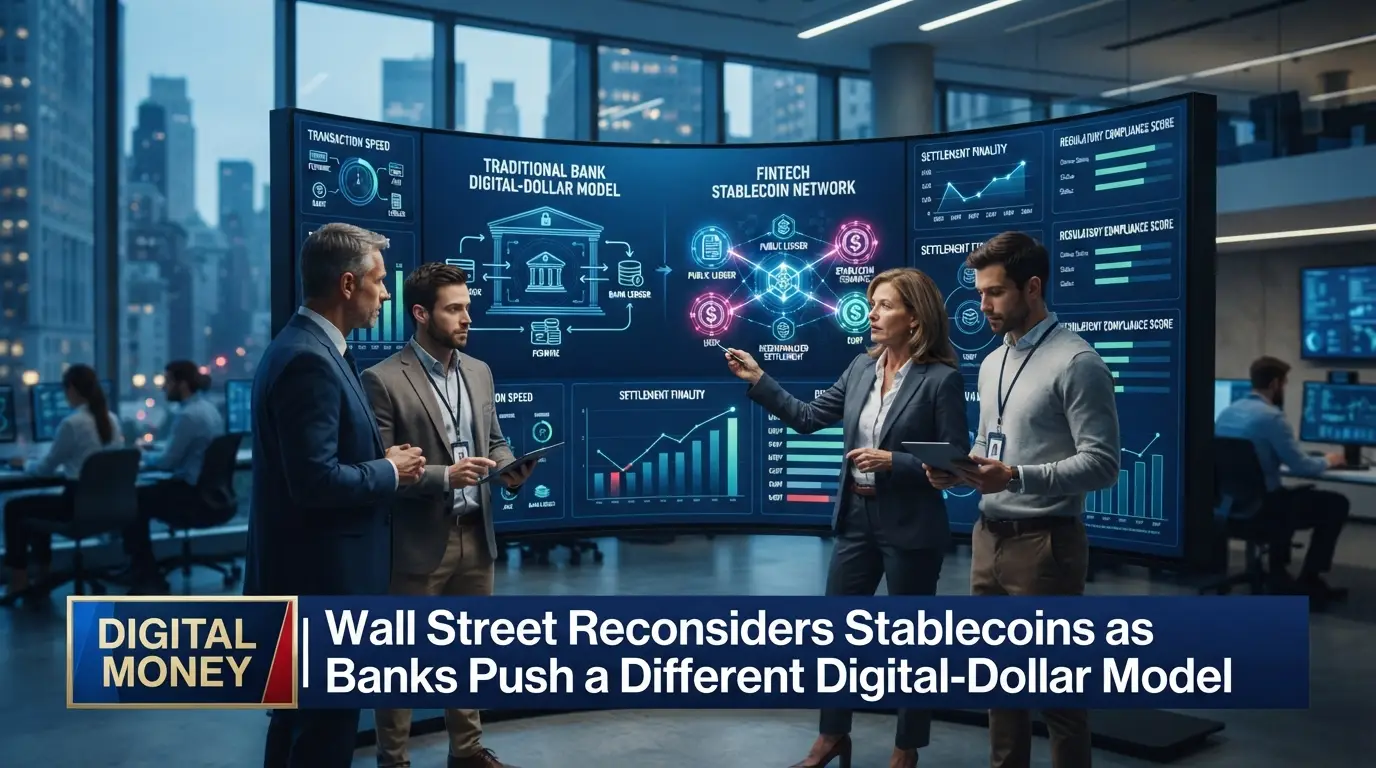
Stablecoins are receiving particular attention.
These digital tokens are designed to maintain a stable value, usually through reserves linked to traditional currencies or short-term government securities.
Their use in payments and international transfers could grow significantly if regulators establish clear standards.
Crypto companies argue that stablecoins can make transactions faster and cheaper.
Traditional financial institutions see them as a potential bridge between banking and blockchain networks.
The risks remain substantial.
A loss of confidence in reserves could trigger rapid withdrawals.
Cyberattacks and software failures could also disrupt digital-asset platforms.
Bitcoin remains the most widely recognized cryptocurrency, but its price continues to respond sharply to interest rates, liquidity conditions and investor sentiment.
That volatility makes it attractive to some traders and unsuitable for conservative portfolios.
For FinTech companies, the institutionalization of crypto creates new opportunities.
Payment processors can build digital-asset services, while banks can offer custody and settlement products.
The result is a financial system in which traditional banking and blockchain technology increasingly operate together.
The next stage of crypto’s development will depend on whether digital assets become everyday financial infrastructure or remain primarily speculative investments.